 DUS Auto Parts
DUS Auto Parts
DUS Auto Parts
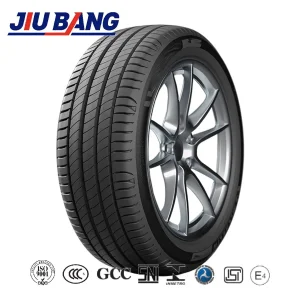
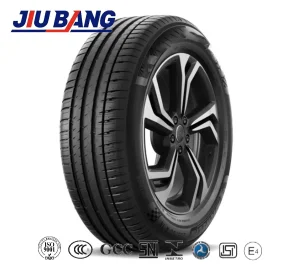
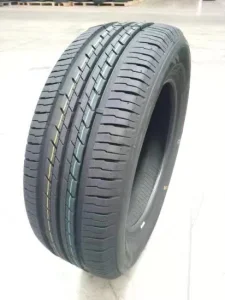
Direct-from-factory tubeless passenger and light commercial tires, precision-engineered to withstand harsh Michigan road conditions and support bulk logistics operations.
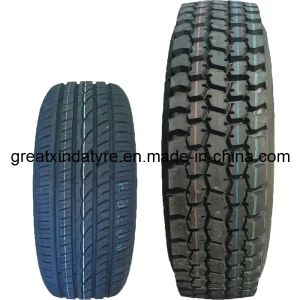
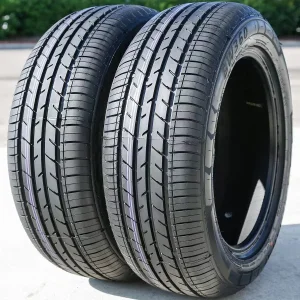
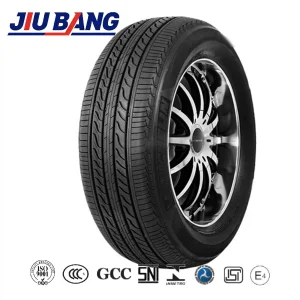
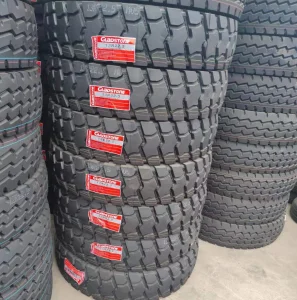
Detroit, Michigan, remains the undisputed beating heart of the North American automotive sector. As the industry accelerates its transition toward Electric Vehicles (EVs), light-truck utility fleets, and high-frequency autonomous delivery grids, the performance demands on tubeless tires have undergone a structural paradigm shift. Today’s automotive buyers in Detroit require components that do not merely comply with safety guidelines but elevate vehicle range, noise reduction index, and road-force resilience.
For fleet operators and automotive parts suppliers in Michigan, tubeless tire integration provides distinct thermodynamic benefits. Without an inner tube, friction-induced heat buildup is drastically minimized. This reduces the risk of high-speed blowouts along the I-75 and I-94 transport corridors. Furthermore, local fleet buyers are increasingly optimizing for tires that exhibit lower Rolling Resistance Coefficients (RRC) to support the strict CAFE (Corporate Average Fuel Economy) targets and EV battery-range requirements set by major Detroit auto groups.
DUS Automotive supports this dynamic shift by supplying tubeless tire designs engineered for superior air retention (utilizing high-grade halobutyl innerliners) and optimized bead layouts. These design parameters prevent rim-slippage under high-torque electric drivetrain acceleration, a critical requirement in the modern Detroit automotive landscape.
Automotive procurement teams in the Midwest focus on critical parameters to combat severe weather shifts and heavy infrastructure stress. DUS tire compounds are optimized to meet these exact expectations:
In the global tire export sector, reliability is defined by consistent compound chemistry and exact dimensional tolerance. As a trusted exporter, Shandong DUS Automotive Parts Co., Ltd. utilizes Factory 4.0 smart manufacturing paradigms to eliminate variability. Our automated manufacturing line integrates computer-controlled rubber mixing, high-precision extrusion, automated bead construction, and electronic uniformity testing. This level of digitalization ensures that every single batch of radial passenger car tires and tubeless truck tires meets rigorous DOT and ECE requirements.
Computerized dosing of natural rubber, high-structure silica, and active silane coupling agents to maximize wet grip while keeping rolling resistance at a minimum.
Continuous optical and laser inspection scans for micro-defects or internal air bubbles, ensuring 100% defect-free output before curing.
Every container batch is matched with tracking identifiers, allowing US and global logistics managers to coordinate seamless port arrivals.
Purchasing managers in the United States, Japan, Canada, and Europe face the dual challenge of navigating localized tariffs while securing reliable lead times. Shandong DUS Automotive mitigates supply risks by offering multi-modal logistics options. We accommodate mixed-loading requests where buyers can package passenger car tires (PCR), heavy radial truck tires (TBR), and custom aluminum wheels into single-container consignments. This significantly optimizes capital utilization, decreases port detention fees, and simplifies domestic warehousing for distributors across Michigan, Ohio, and Indiana.
Detroit and the wider Great Lakes region experience intense seasonal freeze-thaw cycles, creating severe road cracks and potholes. Our tubeless passenger and commercial tires are built with features that specifically target these regional challenges.
Our passenger tires utilize high-tensile steel belts and dual-ply polyester cord bodies to resist heavy impacts. When a vehicle hits a pothole at highway speeds on the Southfield Freeway, the energy is dispersed evenly across the reinforced sidewall, preventing tire cords from tearing and preventing bead unseating.
Detroit’s spring rains and winter slush demand aggressive hydroplaning resistance. The tread designs feature circumferential grooves and 3D siping patterns that dynamically channel water and melting snow away from the tire contact patch. This layout preserves consistent friction with the pavement, preventing loss of vehicle control.
Unlike standard rubber compounds that stiffen in extreme cold, our silica-infused tread compound remains flexible when temperatures drop below 45°F (7°C). This adaptability maintains consistent grip throughout Michigan's winters without requiring immediate winter-tire swap-outs for light commercial delivery fleets.

Established in 2017, DUS has focused on the engineering, manufacturing, and distribution of high-end automotive wheels and performance-tuned tubeless tires. With the rapid expansion of international aftermarket demands, DUS focuses on a core principle: "Engineered Excellence, Client-First Execution." We utilize modern manufacturing technologies and deep material science to create world-class products that satisfy global distribution networks.
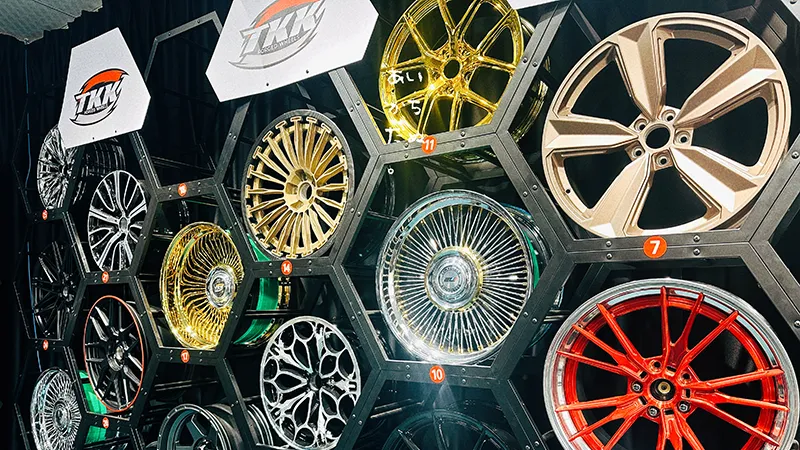
We support global tire wholesalers and local Detroit distributors with integrated supply-chain solutions, lowering freight costs and improving efficiency.
A complete catalog of performance PCR, TBR, steel wheels, and lightweight forged alloy rims for diverse market segments.
Highly optimized automated facilities that reduce labor costs, allowing competitive factory pricing for high-volume orders.
Rigorous QA/QC procedures monitoring rubber density, steel-cord alignment, and runout performance to match US DOT standards.
Streamlined manufacturing schedules paired with expert customs handling to minimize lead times for international deliveries.
Get quick answers to technical questions, custom wheel integrations, and import logistics for the Detroit area.
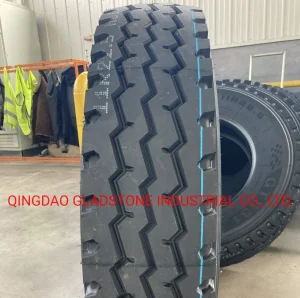
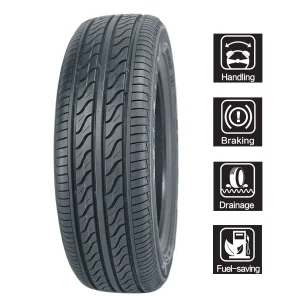
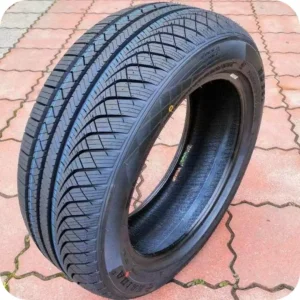
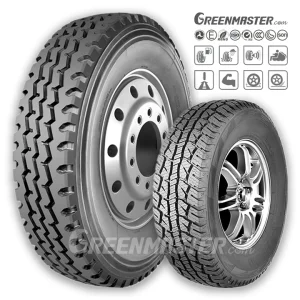
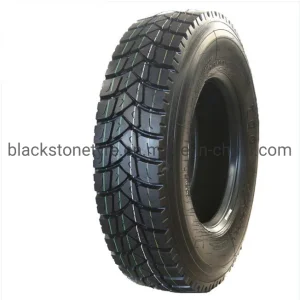
Browse our extended line of high-mileage, all-terrain, and winter-ready tubeless radial tires. Specially developed for large-scale logistics operations and automotive aftermarket distributors.
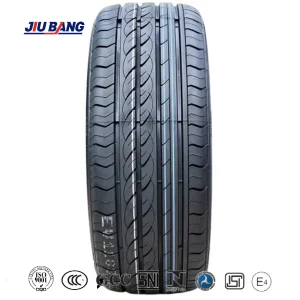
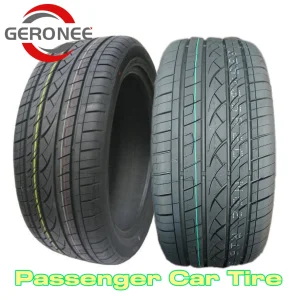
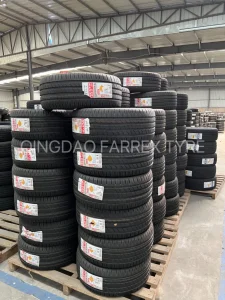
Connect directly with Shandong DUS Automotive. Optimize your import costs, secure customized tread compound production, and access flexible mixed-container loadings for wheels and tires.