DUS Auto Parts
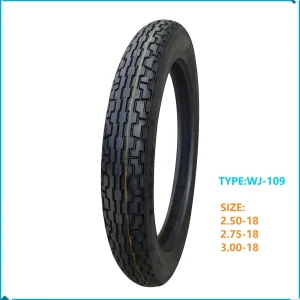
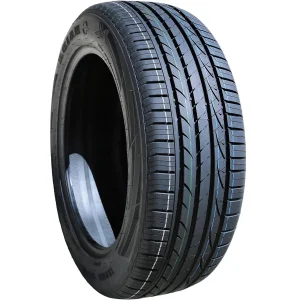
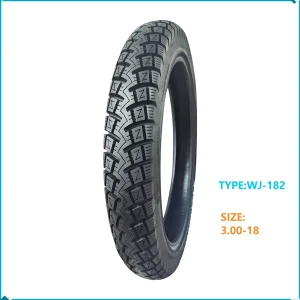
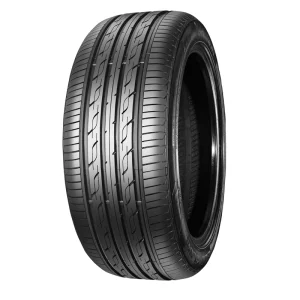
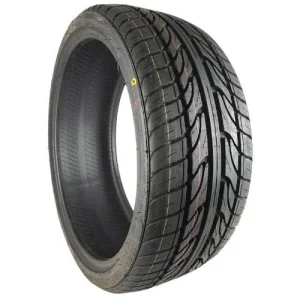
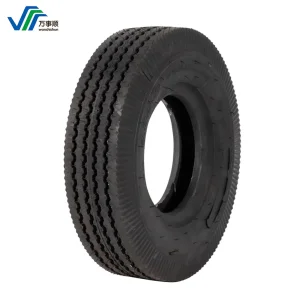
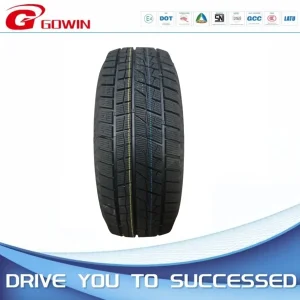
These four platforms are the fastest starting points for Novosibirsk distributors that need a balanced mix of tubeless EV scooter and tricycle sizes, anti-slip wear-resistant treads, and general electric two- and three-wheel coverage. Every product link is preserved so procurement teams can move directly from this white paper to a specification page and request a quotation.
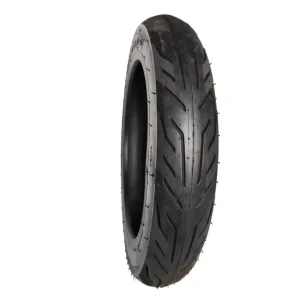
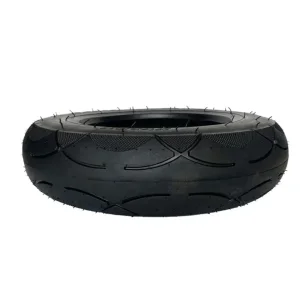
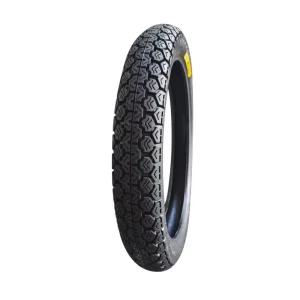
A localized EV tire strategy must begin with the operating environment, not only the vehicle category.
Novosibirsk is the largest city in Asian Russia and a major rail-road-air logistics gateway for West Siberia. For tire distributors, this means more than selling into one urban market: the city can serve as a staging point for Novosibirsk Oblast, Altai Krai, Tomsk Oblast, Omsk Oblast and Krasnoyarsk Krai. Replenishment is planned over long inland distances, so cargo damage, mixed-SKU container efficiency and stable batch quality matter as much as factory price.
The local EV business case is being built by commercial mobility first. Electric tricycles for last-mile delivery, electric motorcycles and scooters for courier fleets, car-sharing vehicles, taxis and municipal service vehicles create early replacement-tire demand. These vehicles do not use tires in the same way as a conventional passenger car. Instant torque, battery weight, regenerative braking and stop-start urban routes can increase tread scrub and casing stress. In winter, snow, ice, salt and temperature swings add another layer of risk. A product that performs well in a warm-weather market may fail in Novosibirsk if its compound hardens too quickly or its tread cannot evacuate slush.
Novosibirsk also has a strong science and engineering identity, including the Akademgorodok research cluster. That creates a practical opportunity for data-driven tire selection: fleet operators can compare wear rate, rolling resistance, winter braking and claim frequency by route. Instead of asking for a “cheap EV tire,” a serious buyer should brief suppliers on load, speed, daily kilometers, winter usage, charging patterns and road conditions.
From a manufacturer and exporter perspective, Novosibirsk rewards suppliers that localize support rather than simply translate a catalogue. The supplier should help with EAEU documentation support, Russian-language packaging, mixed-size container planning, batch traceability and after-sales claim procedures. This is the core of a reliable EV tire supply program: the tire must fit the vehicle, the document set must fit the border, and the after-sales process must fit the distributor’s local responsibility.
Localization is not a translated brochure. It is the operating layer between a factory specification and a fleet’s daily reality.
Ask for winter or cold-climate validation before approving an EV tire for Novosibirsk. Key checks include low-temperature flexibility, wet and slush braking, tread block stiffness and resistance to salt-related aging. For winter programs, confirm whether the product is designed for studded use, studless winter service or all-season use with winter limitations. The correct choice depends on the route, legal requirements and the fleet’s risk tolerance.
Tires imported into Russia are normally reviewed within the Eurasian Economic Union framework. Depending on the product and importer, relevant documentation may include technical regulation conformity, EAC marking, customs classification, invoices, packing lists and batch identification. We support documentation preparation and consistency checks; final compliance approval remains with the importer and its authorized certification body.
EV tires must be matched to vehicle weight, axle load, speed rating, rim width and torque characteristics. A size that fits physically may still be unsuitable if the load index is too low or the casing cannot tolerate repeated high-torque starts. Share OEM size, load index, speed symbol, expected payload and whether the vehicle is used for delivery, passenger service or mixed road and off-road duty.
Export packaging should protect distributor operations. We can support English and Russian packing marks, SKU labels, barcode layouts and warning text subject to buyer confirmation. Clear labels reduce warehouse picking errors and help local sellers answer end-user questions about usage, storage and warranty conditions.
Novosibirsk is far from sea ports, so container planning should combine fast-moving tricycle sizes, motorcycle tires and passenger EV sizes in one program where possible. Mixed-SKU loading reduces inventory imbalance but must respect stack height, weight limits and tire deformation rules. We help plan carton or pallet layouts and provide loading photos for shipment verification.
Batch traceability is essential for a cold-climate market because field performance can vary by production lot. Request lot codes, production dates, inspection records and a clear claim workflow. A practical warranty process collects vehicle type, tire size, load, mileage, road condition, photos and batch details before root-cause analysis.
A factory-direct relationship can shorten specification feedback, improve batch control and make localized packaging more practical—provided the supplier has the right export discipline.
Was Established In
Exporting Countries
Qualification Certificate
One-stop Supply Solution
Shandong DUS Automotive Parts Co., Ltd.
DUS company was established in 2017, focusing on the research and development, production and sales of high-end car wheels.
In view of the rapid development of the domestic car market and the gradual start of the car aftermarket DUS people always adhere to the business philosophy of "good quality, customer first", with a young mentality and full enthusiasm, dedicated to creating high-quality, highperformance world-class products.

At present, the business covers 22 countries and regions including the United States, Canada, South Africa, Japan and Southeast Asia. Domestic promotion car modification and upgrade wheel products, various models and specifications of domestic and imported cars, with a wide variety of categories, effectively expounds the DUS wheel brand image, which is trustworthy.
On the road ahead, we will definitely persevere, strive for excellence, and continue to explore and innovate, contributing our to the car wheel modification market.
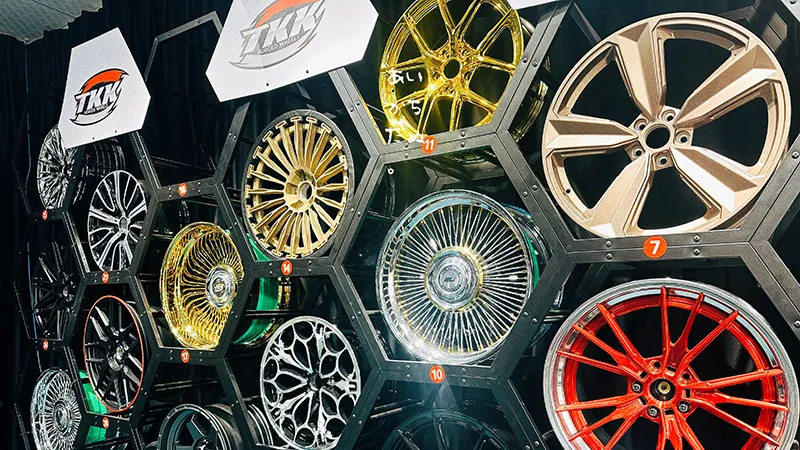
Original company information states that the business covers 22 countries and regions including the United States, Canada, South Africa, Japan and Southeast Asia. That export history is relevant to Novosibirsk buyers because it indicates experience with different documentation, packaging and climate requirements—not an automatic guarantee for every SKU.
Complete range of wheels, tyres and accessories.
Cost advantage through lean production and automation, cost reduction by levaraging bulk purchase.
High quality product and design service by professional quality control system.
High efficient global logistics service and quick response customer service.
Shandong’s tire and wheel manufacturing cluster brings compound development, steel cord supply, mold engineering, curing capacity and export packaging into a relatively tight industrial ecosystem. For a Novosibirsk distributor, the practical benefit is not simply a lower ex-works price. It is the ability to solve specification problems before they become inventory problems: correcting a load index, adjusting a tread pattern for wet slush, changing a label layout, or combining several slow-moving sizes into one container plan.
Factory-direct communication also improves quality control. A qualified supplier can provide production updates, pre-shipment inspection records, loading photos and batch codes. These controls matter for EV tires because a small compound deviation can affect rolling resistance, winter flexibility or wear rate. For private-label buyers, the factory should be able to discuss packaging film, labels, barcodes and warranty documentation without treating them as afterthoughts.
Finally, a China factory with broad export experience can support global procurement teams that are not based in Russia. That means aligning English quotation documents, Russian-market labels, customs descriptions and container plans across several stakeholders. The most reliable supplier is not the one that promises the lowest price; it is the one that can document the specification, control the batch and respond when a claim appears.
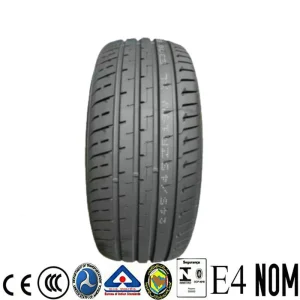
These four products expand the program from compact EV and tricycle sizes into PCR, SUV, UHP and OEM/ODM electric three-wheel solutions. They are useful when a Novosibirsk distributor needs to serve both passenger EV owners and commercial delivery fleets from one supply plan.
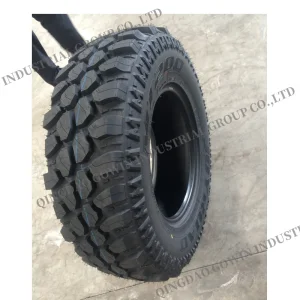
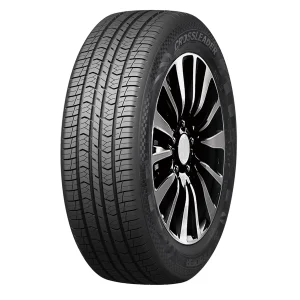
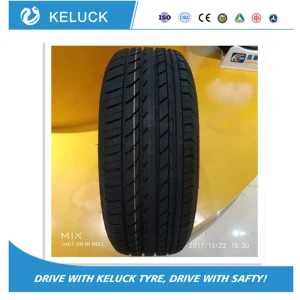
Professional procurement teams compare more than price. They compare evidence, compliance, batch consistency and the supplier’s ability to support a localized program after the container leaves the factory.
Buyers ask for size coverage, load and speed indices, compound options, test reports, production capacity and batch records. For Novosibirsk, ask specifically about winter use, low-temperature flexibility and salt resistance. A supplier that can explain trade-offs is more useful than one that claims every tire is best for every market.
Landing cost is incomplete without documentation. Confirm EAC-related documentation, HS codes, marking, packing list and importer responsibilities before production. A lower ex-works price can be erased by border delays caused by incomplete paperwork.
Distributors rarely buy one size. A practical program combines e-trike tires, motorcycle tires, PCR and SUV sizes. Confirm MOQ by SKU, mold availability, label design, packaging method and whether a mixed container can be balanced safely.
EV tire programs depend on repeat orders. Ask how the factory handles production updates, pre-shipment inspection, loading photos, spare parts and warranty claims. Responsiveness during the first pilot order is a strong signal for long-term supply.
| Procurement Criterion | Suggested Weight | What a Novosibirsk Buyer Should Verify |
|---|---|---|
| Winter and wet performance | 25% | Low-temperature compound, tread design, slush evacuation, braking validation and studded or studless suitability. |
| Load and torque suitability | 20% | Casing construction, load index, speed symbol, EV battery weight and repeated high-torque starts. |
| Compliance documentation | 15% | EAC-related support, customs description, marking, batch data and importer responsibilities. |
| Batch consistency | 15% | Lot codes, production dates, inspection records, pre-shipment photos and dimensional checks. |
| Localized support | 10% | Russian-language labels, packaging flexibility, warranty text and local distributor support. |
| Logistics efficiency | 10% | Mixed-container plan, stack height, loading protection, inland transfer readiness and lead-time transparency. |
| After-sales workflow | 5% | Claim response time, root-cause process, replacement policy and spare-parts coordination. |
The next stage of EV tire competition will be won by suppliers that can connect product engineering to route data, documentation and local distributor economics.
Instant torque, regenerative braking and battery mass change wear patterns. Buyers should request tread compounds and casing designs validated for EV duty cycles, then track wear per 10,000 km by route instead of relying on a single road test.
The energy-saving benefit of low rolling resistance is attractive, but winter safety cannot be sacrificed. Novosibirsk buyers should separate summer EV, all-season and winter programs, then validate wet and slush braking and cold flexibility for each.
Electric SUVs and crossovers often use larger rim sizes and higher load indices. SKUs such as 235/45ZR18, 245/45ZR18, 235/50ZR19 and 265/45ZR21 should be planned with matching load and speed ratings rather than treated as cosmetic upgrades.
In Siberian conditions, winter tire planning is not optional. Distributors need to clarify studdable versus studless, local legal timing, storage and customer education. A winter product should be evaluated on ice, packed snow, slush and dry cold pavement.
Fleet buyers increasingly ask for batch codes, production dates, inspection photos and barcode labels. This supports warranty fairness and protects brand owners from gray-market or counterfeit claims.
Regional distributors want their own brand, packaging and warranty story. Factories with flexible label and packing workflows can support private label without compromising batch control, but every artwork change should be approved before mass production.
Different electric vehicle categories place different demands on tread, casing, compound and documentation. A single “EV tire” label is not enough for a mixed distributor catalogue.
3.00-12, 3.50-12, 3.75-12 and 4.00-12 tires are common in electric three-wheel delivery platforms. Prioritize reinforced casing, anti-slip tread, load capacity and consistent bead seating for daily stop-start routes. View the OEM/ODM e-trike solution.
Courier fleets need wear-resistant tires that can handle repeated starts, curb impacts and mixed pavement. Ask for tread depth, compound hardness and load and speed validation by model. Review wear-resistant motorcycle and EV tires.
Low noise, rolling resistance, wet grip and load index matter. For premium EV SUVs, 18–21 inch sizes need correct load ratings and quiet tread patterns. See the Kapsen/Wanli PCR EV option.
Service vehicles carry tools, batteries or equipment. Tire selection should account for axle load, route severity and winter duty. Light truck and C-type sizes may be more appropriate than passenger-car SKUs. Explore new-energy EV, passenger, light truck and off-road tires.
Front-wheel pneumatic tires such as 4.50-12 must handle rough surfaces and heavy steering loads. Buyers should inspect rubber outer-tire quality, bead strength and fitment before approving a seasonal order. View the 4.50-12 pneumatic tire.
Plan winter and summer inventories separately. Use a pilot fleet to compare ice braking, slush evacuation and wear before scaling. Combine field data with driver feedback and claim records to choose the next seasonal order.
A disciplined pilot process is the fastest way to avoid a container full of tires that do not fit the market.
State vehicle type, load, daily kilometers, road surfaces, winter exposure, expected tire life and whether the vehicle is used for delivery, passenger service, agriculture or municipal work.
Confirm rim size, section width, load index and speed symbol. Do not approve a size based only on diameter; EV weight and torque can expose an under-specified casing quickly.
For Novosibirsk, ask for cold-flexibility and wet or slush performance information. Separate summer, all-season and winter use, and clarify whether studded service is required.
Before production, agree on product descriptions, batch marking, packaging marks, EAC-related documentation support and Russian-language label requirements subject to buyer confirmation.
Combine fast-moving tricycle, motorcycle and passenger EV sizes in a safe loading plan. Confirm stack height, weight distribution, carton protection and pre-shipment photo requirements.
Use a pilot order to check fitment, winter behavior, wear rate, packaging and claim handling. A pilot order is not a delay; it is risk reduction. Scale only after the data supports it.
Practical questions from distributors, fleet operators and private-label buyers preparing an EV tire program for West Siberia.
Yes, subject to product selection. Novosibirsk winter use requires cold-climate validation, not just a winter label. Share the route, vehicle load, studded or studless preference and expected temperature range. We can shortlist EV tire options and advise which specifications require testing before a larger order.
We support documentation preparation for applicable products, including consistency of product name, size, batch and shipping documents. Final EAC certification or declaration must be confirmed by the importer and its authorized body under current EAEU rules; requirements can change, so verify before shipment.
MOQ depends on size, mold availability, label design and packaging. Mixed-size orders may be possible in a container program. Send the target SKU list and annual forecast; we will reply with a practical MOQ and production plan rather than a generic figure.
A trial order can be discussed for selected in-production sizes or planned production runs. Trial orders are most efficient when combined with a mixed container and a clear 6–12 month forecast. The aim is to validate fitment, winter behavior, packaging and claim handling before scaling.
Key controls include incoming material checks, compound mixing control, building and curing parameters, appearance inspection, dimensional checks, inflation and balance where applicable, and batch lot coding. Pre-shipment photos and inspection records can be arranged according to the order agreement.
Common electric-three-wheel sizes in the supplied range include 3.00-12, 3.50-12, 3.75-12, 4.00-12 and 4.50-12, alongside 300-8 tubeless and 14×2.50 options. Selection depends on rim, load, motor torque and whether the vehicle is for urban delivery, agriculture or mining support.
Lead time is quote-specific. It depends on whether the size is in stock, production scheduling, packaging, inspection and the chosen rail, road or sea logistics route. For planning, request a production window and a logistics estimate in the same quotation, then add a margin for inland transfer and customs.
Yes, customized labels and packaging can be discussed for qualified orders. Buyers should provide exact text, barcode rules, warning statements and brand assets for approval. We recommend a pre-production sample to confirm spelling, layout and scanning before mass printing.
Use a total-cost and risk scorecard: winter and wet performance, load and torque suitability, batch consistency, EAC documentation support, private-label capability, mixed-container efficiency, warranty workflow and response speed. A cheaper tire with weak winter behavior or delayed claims can cost more per 1,000 km.
Send tire size, quantity, vehicle type, load, speed requirement, summer or winter use, road condition, target price, packaging needs, destination city and required documents. For Novosibirsk programs, also state whether the tires will be used in urban delivery, passenger service, agriculture, mining or municipal fleets.
Share your size list, fleet application and compliance requirements. We will respond with a product shortlist, documentation checklist and mixed-container plan.
These eight products complete the original 16-item range and are displayed in two full rows for easy comparison. All links and images are preserved from the source catalogue.