DUS Auto Parts
DUS Auto Parts
DUS Auto Parts
Engineered for Precision, Safety, and Maximum Dry Surface Grip
Founded in 2017, DUS has rapidly emerged as a titan in the automotive aftermarket, specifically focusing on the research, development, and mass production of high-end car wheels and dry handling tires. Headquartered in the heart of China's rubber and automotive industrial belt, we leverage the most advanced manufacturing clusters to deliver world-class performance.
With a business philosophy rooted in "Quality Excellence & Customer Centricity," our team combines technical expertise with youthful innovation to pioneer tires that redefine dry surface traction and high-speed stability. Our footprints span across 22 countries including the USA, Canada, Japan, and Southeast Asia.


Variety: Comprehensive portfolio of wheels, tires, and professional accessories.
Cost-Efficiency: Lean production automation reduces costs by 15-20% compared to traditional models.
Quality Control: Multi-stage ISO-certified testing ensuring 0.01% defect rate.
Logistics: Strategic proximity to major ports ensuring 14-day global shipping cycles.
Decoding why China-made high-performance tires are leading the global value chain
In the realm of high-performance driving, Dry Handling is the ultimate litmus test for tire engineering. It isn't just about rubber meeting the road; it's about managing thermal energy, lateral G-forces, and contact patch deformation. As a leading China Dry Handling Tires Factory, we have transitioned from traditional manufacturing to a data-driven, "Information Gain" approach where every tread block is optimized via AI simulation.
The secret to dry grip lies in the viscoelasticity of the rubber compound. Our tires utilize high-dispersible silica combined with functionalized SBR (Styrene-Butadiene Rubber). This combination allows the tire to "key" into the microscopic irregularities of the road surface. In dry conditions, the absence of water allows for a higher coefficient of friction, but it also generates extreme heat. Our patented heat-resistant polymers ensure that the tire maintains its structural integrity even during aggressive cornering at 200km/h+.
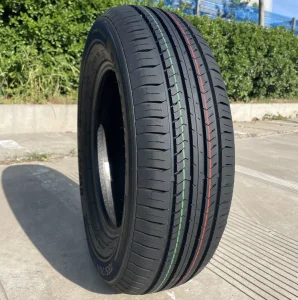
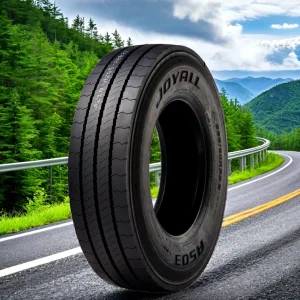
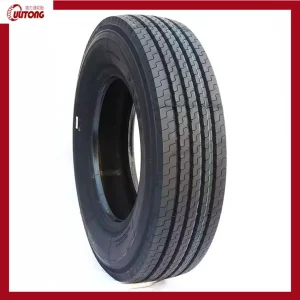
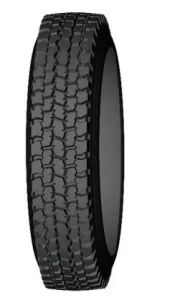
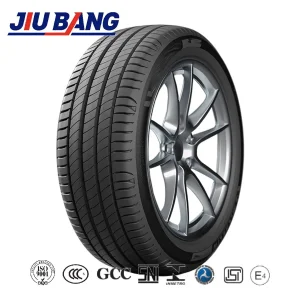
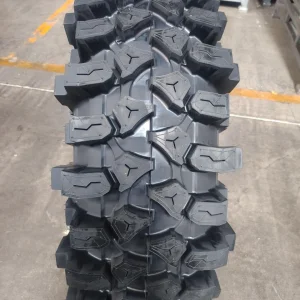
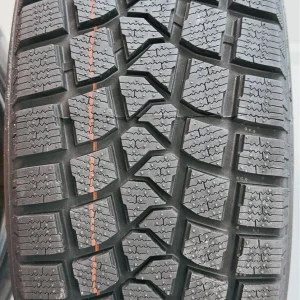
For maximum dry handling, larger tread blocks (often referred to as 'shoulders') are essential. Small sipes, while good for wet grip, can cause "tread squirm" on dry roads, reducing steering precision. Our UHP (Ultra-High Performance) lines feature asymmetric tread designs. The outer shoulder is solid and reinforced to withstand lateral loads, while the inner ribs are designed for high-speed tracking and braking stability.
Optimized casing tension ensures that the tire footprint stays flat under heavy load, preventing edge lift.
High-stiffness bead fillers provide immediate feedback from the steering wheel to the asphalt.
Ventilated groove geometry prevents "greasiness" during prolonged high-speed sessions.
Tailoring dry handling technology to global environmental demands
In high-temperature regions, road surfaces can reach 70°C. Our tires are engineered with specialized anti-aging compounds that resist UV degradation and maintain grip on heat-soaked asphalt.
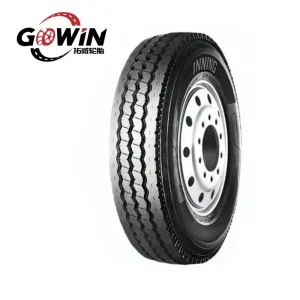
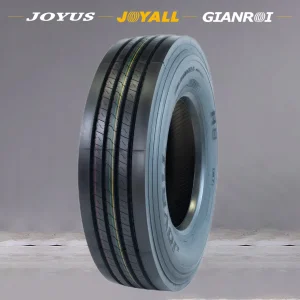
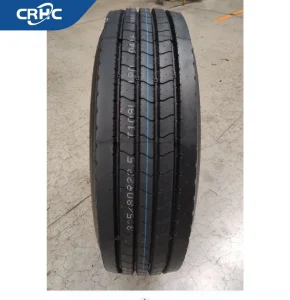
For the North American market, we integrate high-mileage polymers into dry handling designs, allowing semi-trucks to maintain stability during cross-country hauling without sacrificing tire life.
Designed for enthusiasts who demand precision. Our tires compete with premium Tier-1 brands in lateral acceleration tests while offering significant "Information Gain" via competitive pricing.
Pioneering the next decade of automotive tire intelligence
Using neural networks to predict wear patterns before the first physical prototype is built.
Embedded RFID and pressure-temperature sensors for real-time fleet management (Coming 2025).
Transitioning to dandelion-based rubber and soybean-oil silica to reduce carbon footprint by 40%.
Reducing air turbulence at high speeds to improve fuel efficiency and EV range.
The strategic advantage of DUS in a volatile global market
Why choose a China Dry Handling Tires Exporter? The answer lies in the "Cluster Effect." Shandong province accounts for over 50% of China's tire output. This proximity to raw material suppliers (steel cord, carbon black, natural rubber) allows us to respond to market shifts instantly.
Technical insights for global distributors and industrial buyers
Dry handling tires prioritize stiffness and contact area. They have larger tread blocks and fewer sipes, which prevents the rubber from flexing under high lateral force, providing a more direct steering feel.
Every tire undergoes an X-ray inspection for internal structural integrity and a dynamic balance test. We provide full traceability for every batch exported to our 22 partner countries.
Yes. We work closely with regional regulators to ensure all markings (E-Mark, DOT, GSO) are updated according to the latest 2024/2025 standards.
Due to our lean production systems, we maintain a standard lead time of 15-25 days from order confirmation to port delivery.
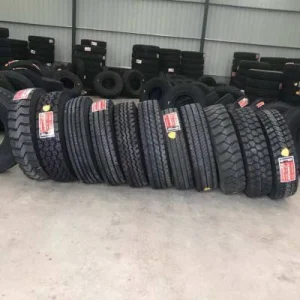
Complete Range from Passenger Car Radials to Heavy Duty Truck Tires