DUS Auto Parts
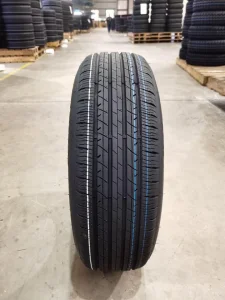
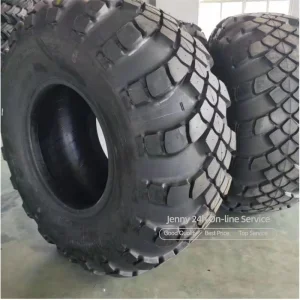
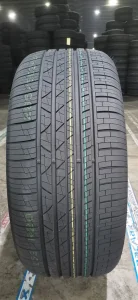
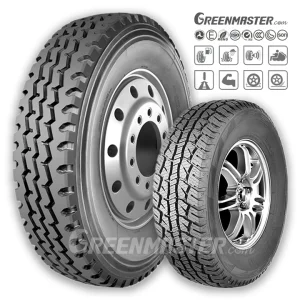
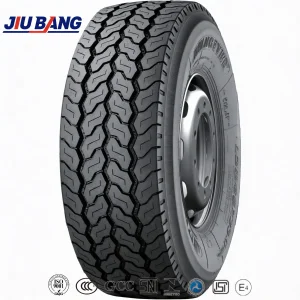
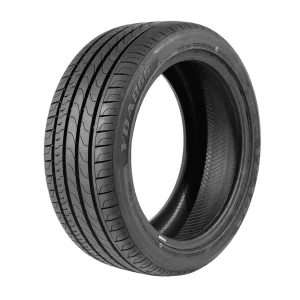
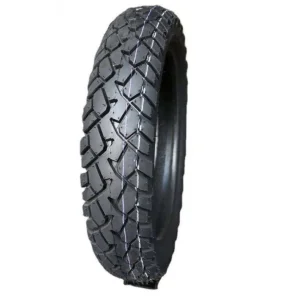
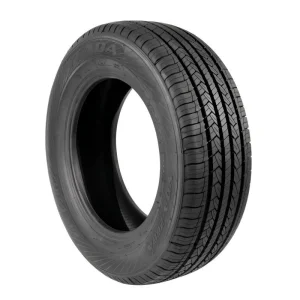
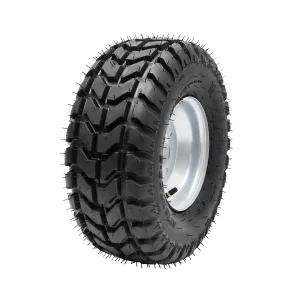
Eight export-ready products from the supplied catalogue. These items illustrate the broader product ecosystem that supports mixed orders, distributor programs, and fleet sourcing discussions.
For serious distributors and fleet buyers, the sourcing discussion begins with duty cycle, load envelope, compliance, and total cost of ownership—not only a size list and a unit price.
Wide base truck tires are single tires designed to replace selected dual-tire assemblies, commonly discussed in TBR formats such as 385/65R22.5, 425/65R22.5, and related heavy-duty sizes. They are not a universal substitute for every axle or route. Their value depends on matching axle load, rim width, inflation pressure, road severity, local regulation, driver behavior, and maintenance discipline. A China supplier or exporter becomes genuinely useful when it can support that engineering and compliance conversation instead of merely quoting a SKU.
This is where information gain matters in a commercial article. The real procurement question is not “Do wide base tires save fuel?” It is “Under which duty cycle, load profile, maintenance system, and regulatory regime do wide base tires create a lower total cost of ownership?” Applied incorrectly, a single wide tire can contribute to irregular wear, heat build-up, or roadside risk. Applied correctly, it may reduce tire count and unsprung mass on selected axles while supporting rolling-resistance targets and load stability. The rational sourcing decision is therefore a mini engineering study, not a catalogue click.
The supplied DUS portfolio is broader than wide base truck tires alone. It spans passenger car tires, SUV and 4x4 tires, light truck tires, all-steel radial TBR, bus and trailer tires, OTR and ORV tires, ATV tires, scooter tires, wheels, and accessories. That breadth matters because global buyers rarely purchase one tire family in isolation. They rationalize suppliers, consolidate containers, manage seasonality, and ask for documentation across many categories. A one-stop China supply partner must connect product variety with export discipline, quality control, and responsive logistics.
China’s tire cluster is not a single factory story. It is an ecosystem of compound engineering, equipment, molds, testing, packaging, documentation, and port logistics. The advantage is real only when a supplier can control the interfaces between them.
Wide base truck tires must manage heat, scrub, and wear under high load. A capable China factory validates compound formulations, mixing discipline, and tread designs against the intended route severity rather than relying only on a generic pattern.
Replacing duals changes stress distribution. Casing architecture, bead wire, body ply, contour, and shoulder design must be matched to the axle position and load envelope. Good suppliers discuss these details openly.
Uniformity, balance, and dimensional stability are essential for fleet acceptance. Modern mold and curing control help reduce vibration complaints, mounting issues, and irregular wear claims in export markets.
Buyers should ask for evidence of load, endurance, and high-speed validation appropriate to the target market. Validation is not a marketing line; it is the basis for predictable performance and defensible fleet decisions.
The supplied portfolio references ECE R117, GCC, SASO, INMETRO, REACH, and DOT in different product contexts. A competent exporter maps each SKU to destination requirements and keeps label files, test reports, and certificates organized.
Distributors often need TBR, PCR, SUV, OTR, ATV, scooter tires, and wheels in one program. Mixed-container capability can reduce inventory fragmentation and improve cash flow when it is supported by disciplined packing and SKU control.
Batch records, inspection photos, packing lists, date coding, and claim-response procedures reduce risk across long supply chains. Documentation quality is a practical expression of E-E-A-T in export tire supply.
China’s port network supports frequent sailings and flexible consolidation. The supplier’s real advantage is visibility: booking discipline, loading checks, document accuracy, and fast response when schedules change.
Wide base tire decisions now sit inside larger fleet, compliance, and sustainability objectives. These four trends influence how global buyers evaluate China suppliers.
Fleet managers increasingly compare acquisition price against mileage, fuel sensitivity, retreadability, downtime, and claim risk. A tire that looks cheaper per unit can become expensive if casing value or wear consistency is weak.
Labeling, certifications, customs documentation, and market-specific requirements are no longer back-office details. They determine whether a container can be sold smoothly or creates costly rework after arrival.
In mature markets, the economic case for a tire includes its casing life and retread potential. Exporters that understand this can support long-term fleet programs rather than one-off price transactions.
Fleets use pressure, wear, and fuel data to evaluate tire specifications. Suppliers that provide clear technical data, consistent batches, and responsive feedback loops are better positioned for repeat business.
The same wide base tire concept can require different priorities in different markets. DUS’s stated export reach includes the United States, Canada, South Africa, Japan, Southeast Asia, and other regions; each creates a distinct buying logic.
Long-haul and intermodal buyers focus on fuel sensitivity, casing durability, retread potential, and DOT-related documentation. Wide base truck tires may be evaluated on selected axles where load rules, rim fitment, and maintenance programs support them.
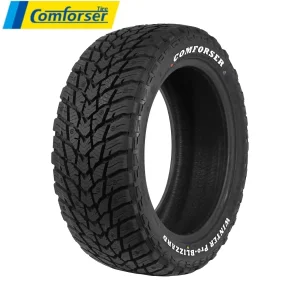
Winter and mixed-climate regions place a premium on cold-weather compound behavior, wet and snow traction, and predictable handling. The portfolio’s winter and all-season passenger, SUV, and light truck tires complement a broader seasonal sourcing program.
Mixed-road and high-load operations demand cut resistance, heat management, casing strength, and reliable supply. OTR, ORV, TBR, and light truck ranges can be combined to support distributors serving mining, construction, and transport customers.
Urban and regional fleets often prioritize scrub resistance, wet grip, load safety, quietness, and consistent quality across repeated orders. A supplier that controls batch consistency can reduce complaints in dense delivery environments.
High-load and high-stability applications require careful matching of load index, inflation, axle position, and maintenance checks. Trailer and coach fleets should confirm local fitment rules before replacing dual assemblies with wide base singles.
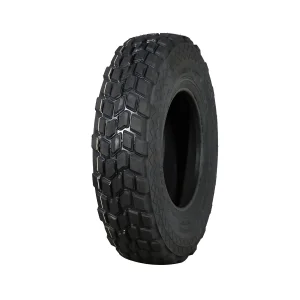
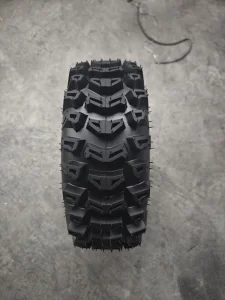
Sand, desert, mud, and all-terrain conditions create different stress profiles. The supplied Bias E-2 Cross Country ORV and heavy truck tire range illustrates how a supplier can support mixed fleets that combine road, off-road, and specialty equipment.
Large distributors and fleet groups do not buy only tires; they buy supply certainty, documentation, and accountability. These six requirements separate a transactional exporter from a program-level partner.
Provide product data sheets, certifications, packing details, HS codes, label artwork, and batch information before purchase orders are confirmed. Clear documents reduce customs delays and help sales teams answer technical questions.
A supplier should map each size and product family to the destination market. The original portfolio references ECE, DOT, GCC, SASO, INMETRO, REACH, and other requirements; buyers should confirm the exact status of every SKU.
Repeat orders depend on stable compounds, dimensions, and appearance. Ask for inspection records and a clear process for addressing deviations. Consistency is especially important when a distributor sells under its own brand.
Global buyers often combine truck tires, passenger tires, SUV tires, ATV tires, scooter tires, and wheels. A one-stop supplier should explain which combinations are practical, how packaging is protected, and how documentation is matched.
Confirm Incoterms, loading window, port, container type, packing method, and document release process. Reliable communication during booking and loading is as important as the tire specification itself.
A professional exporter defines how claims are submitted, what evidence is needed, how quickly responses are issued, and how future orders incorporate corrective action. Vague after-sales promises are a hidden procurement risk.
Use this comparison as a discussion framework. Actual performance depends on axle load, route, inflation, alignment, tire maintenance, local regulation, and product quality.
A transparent scorecard keeps procurement teams focused on business risk rather than brochure claims. The percentages below are a suggested weighting framework, not a performance rating of any specific supplier.
Shandong DUS Automotive Parts Co., Ltd. combines wheel expertise with a broad tire supply portfolio for distributors, modification shops, and fleet-focused buyers.
DUS company was established in 2017, focusing on the research and development, production and sales of high-end car wheels.
In view of the rapid development of the domestic car market and the gradual start of the car aftermarket, DUS people always adhere to the business philosophy of “good quality, customer first,” with a young mentality and full enthusiasm, dedicated to creating high-quality, high-performance world-class products.
At present, the business covers 22 countries and regions including the United States, Canada, South Africa, Japan, and Southeast Asia. Domestic promotion of car modification and upgrade wheel products covers various models and specifications of domestic and imported cars, with a wide variety of categories, effectively presenting the DUS wheel brand image, which is trustworthy.
On the road ahead, we will definitely persevere, strive for excellence, and continue to explore and innovate, contributing our expertise and energy to the car wheel modification market. The same export discipline—clear specifications, responsive service, and practical documentation—supports our wider tire supply programs, including TBR, PCR, SUV, OTR, ATV, scooter tires, wheels, and accessories.


At a macro level, global buyers are consolidating suppliers to reduce communication cost, inventory fragmentation, and compliance risk. DUS positions itself as a one-stop supply solution manufacturer for wheels, tires, and accessories.
Complete range of wheels, tyres and accessories. This breadth helps distributors cover passenger car, SUV, light truck, TBR, OTR, ATV, scooter, and wheel categories within a coordinated sourcing plan.
Cost advantage through lean production and automation, cost reduction by leveraging bulk purchase. Savings are most credible when they survive compliance, packaging, and after-sales requirements.
High quality product and design service by professional quality control system. Product quality should be supported by inspection discipline, specification clarity, and responsive corrective action.
High efficient global logistics service and quick response customer service. In export tire supply, response speed and document accuracy often determine whether a low-cost program is actually profitable.
For enterprise buyers, this one-stop model is most useful when it is structured as a program: product mix planning, compliance review, container optimization, quality gates, and after-sales tracking. The objective is not simply to buy more categories from one supplier; it is to reduce coordination risk while preserving product fit and market-specific compliance.
A disciplined process protects both buyer and supplier from costly trial-and-error. Use these six steps when evaluating China wholesale wide base truck tires.
Map route type, average load, axle position, annual mileage, climate, road surface, speed profile, and maintenance capability. A tire that performs on a flat highway may fail in mixed-road heavy haul.
Check local axle-load rules, rim approval, labeling, certification, and customs requirements before selecting a size. Compliance review should happen before the sample order, not after arrival.
Confirm load index, speed symbol, rim width, inflation guidance, dual or single fitment, overall dimensions, and vehicle clearance. Ask for written technical data rather than relying on photos alone.
Test a defined batch under supervised conditions. Record pressure retention, wear, heat, vibration, mounting behavior, and driver feedback. Compare results with the existing reference tire.
Review certifications, inspection records, packing method, date coding, and claim history. For private-label programs, confirm mold ownership, label control, and change-notification procedures.
Start with a measured pilot. Scale only after the product meets safety, compliance, wear, and service expectations. A strong supplier supports measurement instead of avoiding it.
These questions reflect common procurement concerns from distributors, fleets, and private-label buyers evaluating a China wholesale tire supplier and exporter.
Wide base truck tires are single tires designed to replace selected dual-tire assemblies in approved applications. They are commonly discussed in TBR sizes such as 385/65R22.5, 425/65R22.5, and related formats. Their use depends on axle load, rim width, vehicle approval, local rules, and maintenance capability.
A dual assembly uses two tires per side, while a wide base single uses one wider tire in an approved fitment. The single tire may reduce tire count and unsprung mass on some axles, but it also changes load distribution, pressure sensitivity, spare strategy, and training requirements.
No. Fuel efficiency depends on tire design, rolling resistance, load, pressure, alignment, route, and driver behavior. Wide base tires can support fuel-saving strategies in the right application, but buyers should validate performance through a controlled pilot rather than assuming universal savings.
China offers a deep tire supply ecosystem with broad product variety, export experience, flexible manufacturing, and competitive logistics. The advantage is strongest when the supplier can control specification clarity, compliance documentation, batch consistency, and after-sales response.
Request business documents, product data sheets, certification evidence, inspection records, packing standards, and references. Compare technical answers across sizes, not only prices. A serious supplier will welcome questions about load index, rim fitment, compounds, and claim procedures.
It depends on the destination market. The supplied portfolio references ECE R117, DOT, GCC, SASO, INMETRO, and REACH in different product contexts. Buyers should confirm the exact certificate, label, and test report for each SKU before placing an order.
The portfolio spans TBR, passenger car, SUV, light truck, OTR, ORV, ATV, scooter tires, wheels, and accessories. Mixed-container feasibility depends on volume, packaging, destination, and SKU availability. Buyers should request a written loading and documentation plan.
MOQ depends on tire size, product family, brand or private-label requirements, compound, packaging, and production schedule. There is no responsible universal answer. Ask for written MOQ confirmation and compare it with the total landed cost, not the unit price alone.
Start with the vehicle or axle manufacturer’s approved fitment, local axle-load rules, rim specification, and duty cycle. Then confirm load index, speed symbol, inflation guidance, and overall dimensions with the tire supplier. Do not substitute a size solely because it is available.
Run a documented pilot on a limited number of vehicles or axles. Record baseline fuel use, wear, pressure retention, downtime, and driver feedback. Compare the full life-cycle result and compliance status before scaling to the wider fleet.
The remaining catalogue items complete the supplied product set. Each link and image is preserved for buyers who need a broader one-stop supply discussion across passenger, SUV, ATV, scooter, and light truck categories.