DUS Auto Parts
DUS Auto Parts
DUS Auto Parts
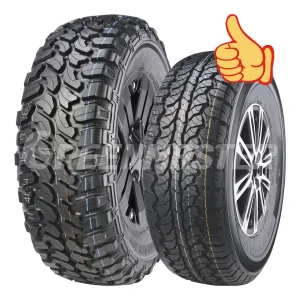
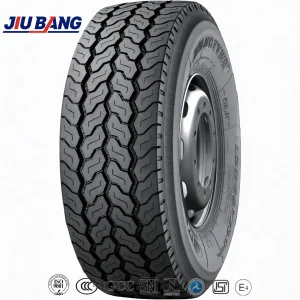
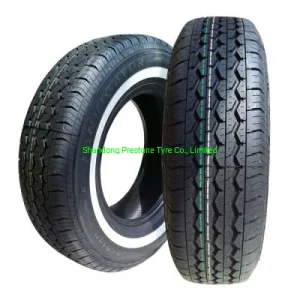
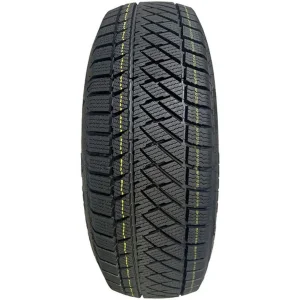
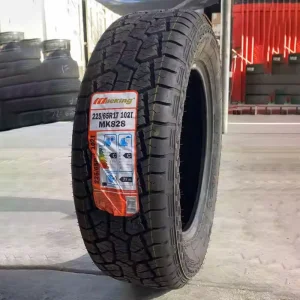
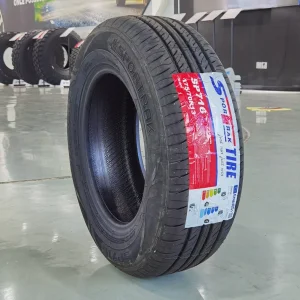
Explore our premium selection of engineered tires, spanning high-capacity specialty trailer tires, rugged off-road mud-terrain solutions, and high-mileage all-steel radial commercial truck tires. Built for maximum reliability under extreme load conditions.
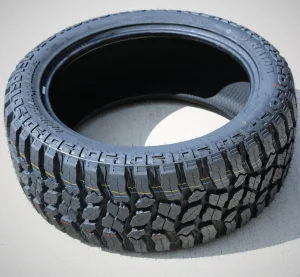
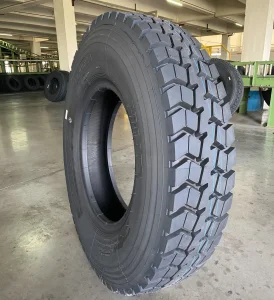
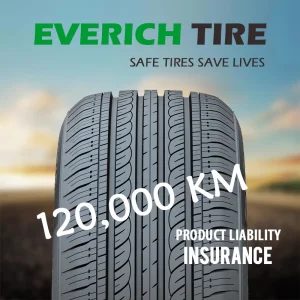
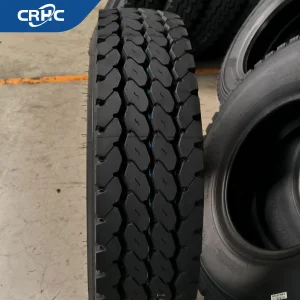
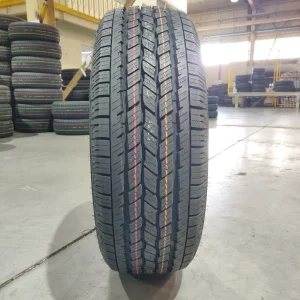
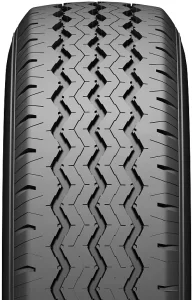
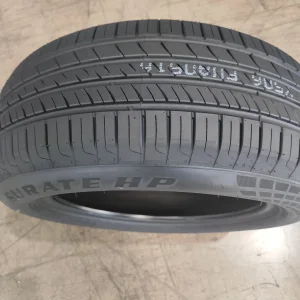
In global logistics, commercial transport, and heavy equipment moving, the demand placed on tires installed on towed equipment differs fundamentally from driven or steered vehicle positions. Specialty Trailer (ST) tires are engineered under stringent design parameters to overcome severe lateral scrub, non-driven torque stresses, high static load dwell times, and harsh environmental exposure.
Unlike standard Passenger (P) or Light Truck (LT) tires, ST tires feature drastically heavier sidewall construction, specialized rubber compounding, and increased ply ratings. When a passenger vehicle navigates a corner, the tires experience dynamic steering inputs and torque transfer. In contrast, multi-axle trailers experience extreme lateral shear forces—commonly known as "axle scrub"—where tires are dragged sideways during tight maneuvers. Standard passenger tires lack the structural rigidity to sustain these lateral forces without experiencing bead separation, tread squirm, or rapid shoulder deterioration.
ST tires feature heavy-duty nylon or steel cord plies along the sidewall to suppress oscillatory trailer sway ("fishtailing"). This rigidity ensures linear tracking stability even under maximum Payload Weight Capacity (GVWR).
Trailers often remain stationary in open lots for extended periods. Premium ST tire compounds incorporate elevated concentrations of 6PPD anti-degradants and carbon black to shield rubber polymers against UV degradation and atmospheric ozone cracking.
Engineered to operate at elevated Cold Inflation Pressures (typically 50 PSI up to 110+ PSI for Load Range E, F, and G), reducing rolling resistance and preventing heat buildup—the leading cause of high-speed trailer tire blowouts.
As global freight and specialized transport requirements escalate, tire engineering is undergoing a technological renaissance. Leading exporters and manufacturers are shifting from traditional nylon bias-ply architectures toward advanced All-Steel Radial (TBR-inspired) Specialty Trailer Tires.
Incorporating functionalized solution-polymerized styrene-butadiene rubber (s-SBR) integrated with nano-scale silica lowers rolling resistance by up to 14% while retaining superior wet braking performance. This compound evolution drastically cuts fuel consumption for commercial fleets hauling heavy trailer loads over long distances.
Next-generation specialty trailer tires feature direct vulcanization-embedded RFID chips and thermal/pressure IoT sensors inside the inner liner. Commercial fleet managers can monitor real-time tire pressure, internal casing temperature, and cumulative mileage via cloud dashboards, shifting maintenance from reactive to predictive.
| Performance Characteristic | Bias-Ply ST Tires | Standard Radial ST Tires | All-Steel Heavy-Duty ST Radials |
|---|---|---|---|
| Casing Architecture | Cross-ply nylon belts | Steel belt package + Polyester body | Full steel-casing ply + multi-steel belts |
| Load Range Rating | Load Range B, C, D (6-8 Ply) | Load Range C, D, E (6-10 Ply) | Load Range F, G, H (12-16+ Ply) |
| Thermal Dissipation Rate | Moderate (High internal friction) | High (Flexibility dissipates heat) | Superior (Steel core channels heat away) |
| Scrub & Shear Resistance | Very High (Stiff tread area) | Moderate (Requires extra shoulder plies) | Maximum (Resists tread squirm & tearing) |
| Expected Service Life (Miles) | 15,000 – 25,000 miles | 35,000 – 50,000 miles | 75,000 – 110,000+ miles |
Specialty trailer tires serve as vital components across a diverse array of global industries. A single failure on a highway or jobsite can result in supply chain disruptions, lost productivity, and severe financial liability. As a specialized exporter, matching exact tire engineering specs to operational environments is paramount.
Drop-deck, lowboy, and gooseneck trailers carrying super-loads demand ultra-low-profile radial trailer tires (e.g., 235/75R17.5, 215/75R17.5). These tires offer exceptionally high load capacity while maintaining low deck heights for overhead clearance under bridges and overpasses.
Fifth-wheel and heavy travel trailer owners prioritize high-speed durability and long-term storage stability. Specialty radial tires engineered with specialized sidewall UV-stabilizers and flat-spot resistant inner liners prevent sudden tire blowouts during seasonal long-distance highway travel.
Farm equipment trailers operating in mixed conditions (dirt roads, rocky fields, and paved highways) require chip-and-cut resistant tread compounds. Self-cleaning tread designs quickly eject mud and debris to maintain consistent traction and prevent casing damage.
Saltwater immersion poses severe challenges to wheel rims and bead seating. Specialty trailer tires designed for marine trailers utilize tight-tolerance bead rubber seals and anti-corrosive inner liners to prevent inflation leakage caused by water intrusion around the wheel rim flange.
Off-highway industrial equipment requires ultra-heavy-duty tire solutions featuring deep tread depths, puncture-proof casing layers, and dynamic load capacities designed to sustain extreme tipping forces during load lift cycles.
China's rubber and automotive manufacturing ecosystem has transformed into a high-tech automated power hub. Leveraging advanced robotics, real-time laser inspection, and automated vulcanization systems, Chinese manufacturers deliver world-class tires and wheel systems with unmatched efficiency and quality control.
Shandong DUS Automotive Parts Co., Ltd. was established in 2017, focusing on the research and development, production, and sales of high-end car wheels, specialty tires, and complete automotive assembly solutions.
In view of the rapid development of the domestic car market and the gradual expansion of the global automotive aftermarket, DUS adheres strictly to the core business philosophy of "Good Quality, Customer First". Driven by a passionate, experienced team, DUS is dedicated to creating high-performance, world-class products that power logistics, transport, and personal vehicles worldwide.
At present, DUS business operations cover 22 countries and regions, including the United States, Canada, South Africa, Japan, and Southeast Asia. With an extensive range of categories for car modification, commercial trailer upgrades, and industrial applications, the DUS brand image stands as a globally trusted benchmark for structural integrity and delivery performance.
On the road ahead, we persevere, strive for excellence, and continue to explore and innovate, contributing continuous value to the global automotive wheel and tire modification ecosystem.


By integrating tire manufacturing with forged wheel customization, DUS provides a comprehensive turnkey supply chain advantage:
Navigating international trade barriers requires absolute compliance with regional tire safety and environmental directives. Leading exporters must maintain rigorous quality assurance protocols to guarantee that every tire batch conforms to destination market specifications.
All specialty trailer tires exported to North America undergo mandatory DOT certification. Testing includes high-speed endurance runs, plunger energy endurance testing, and sidewall strength verification under Federal Motor Vehicle Safety Standards (FMVSS).
European market exports comply with E-Mark (ECE R30/R54) standards and REACH regulations, restricting harmful Polycyclic Aromatic Hydrocarbons (PAHs) in rubber oil compounds while certifying low rolling resistance and wet grip performance grades.
Backed by over 60 qualification certificates, production lines operate under strict IATF 16949 automotive quality management protocols. Every tire casing undergoes dynamic balancing and X-ray structural inspection before dispatch.
For global fleet operators, tire wholesalers, and commercial trailer OEMs, sourcing tires involves evaluating Total Cost of Ownership (TCO), logistics footprint, and supplier reliability. Partnering directly with integrated exporter-manufacturers optimizes procurement efficiency.
Shipping unmounted tires leaves valuable interior container space unutilized. DUS offers pre-mounted tire and wheel assembly packages. By mounting tires directly onto high-strength forged alloy wheels prior to shipping, importers save up to 35% in ocean freight costs per unit volume while eliminating local mounting labor fees upon delivery.
Established tire distributors can leverage custom mold tooling, proprietary tread patterns, and customized brand sidewall lettering. Complete private label programs include market protection guarantees, specialized packaging, and tailored marketing support collateral.
Clear technical answers addressing critical user search intent regarding ST tire maintenance, engineering specs, load indices, and export sourcing.
No, standard passenger tires are engineered for flexible sidewalls to deliver ride comfort, which induces dangerous sway on trailers. While LT tires offer higher load support, genuine Specialty Trailer (ST) tires feature significantly stiffer sidewalls, specialized anti-scrub compounds, and higher inflation pressures designed specifically to stabilize towed vehicles under dynamic lateral loads.
Radial ST tires feature steel cords running at 90 degrees to the centerline, enabling independent tread and sidewall flex. This yields lower rolling resistance, cooler operating temperatures, extended treadlife, and better highway tracking. Bias-ply tires utilize crisscrossed nylon layers, providing stiff sidewalls at lower costs, ideal for short-haul agricultural or heavy utility work.
Calculate the Gross Vehicle Weight Rating (GVWR) of your trailer, subtract the tongue weight transferred to the tow vehicle, and divide the remaining weight by the number of tire positions. Always select a tire load rating (e.g., Load Range D = 8-ply rated, Load Range E = 10-ply rated, Load Range F = 12-ply rated) that exceeds your maximum calculated wheel load by at least 15-20% safety margin.
Specialty trailer tires rely on full inflation pressure to maintain their structural shape and load capacity. Running ST tires under-inflated causes excessive casing flex, leading to extreme internal thermal buildup, tread shoulder stress, accelerated oxidation, and eventual catastrophic tire blowouts at highway speeds.
DUS enforces strict quality control across raw material selection, dynamic balancing, dynamic endurance drum tests, and 100% X-ray inspection for internal casing defects. With over 60 qualification certificates and export footprints across 22+ nations, products meet strict DOT, ECE, and ISO/TS 16949 standards.
Standard production lead times range from 20 to 35 days depending on specification complexity and custom OEM requirements. Combined tire and wheel assembly programs are packaged directly in our automated logistics center to streamline customs clearing and port clearance.
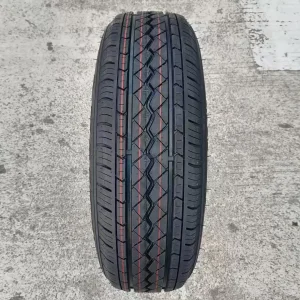
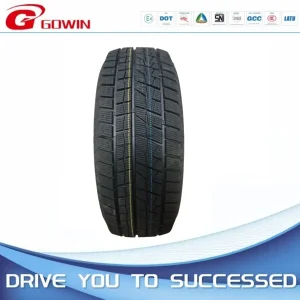
Discover additional specialized tires in our export lineup, ranging from all-season passenger radials and high-performance EV tires to heavy-duty industrial and long-haul commercial truck radial (TBR) tires.