DUS Auto Parts
DUS Auto Parts
DUS Auto Parts
Premium quality manufacturing engineered for harsh environments, high durability, and maximum operating life.
Understanding the engineering demands of high-yield mining operations and heavy payload vehicles.
For global mining enterprises, the initial purchasing cost is only a fraction of the cost equation. Procurement managers focus extensively on Cost-Per-Hour (CPH). Minimizing unplanned downtime is critical, requiring tires that deliver consistent performance under continuous, severe load shifts.
Thermal breakdown is a primary failure vector in earthmover tires. Optimizing the TKPH rating is crucial for matching hauling speeds and load limits to site conditions, preventing heat accumulation inside the thick carcass and rubber layers.
Sharp granite debris, shale, and steep inclines subject mining tires to extreme mechanical stresses. Modern procurement mandates cut-resistant tread compounds and multi-layered steel belts to prevent carcass penetration and air loss.
Leveraging industrial clusters, advanced automation, and raw material efficiency to deliver world-class products.
Shandong province is the global center for tire production, hosting vast industrial clusters. This centralized ecosystem ensures efficient access to high-grade natural rubber, steel cords, and carbon black, reducing production lead times and input costs.
Chinese OTR factories have transitioned from manual operations to fully automated smart production lines. Computerized compound mixing and state-of-the-art vulcanization technology ensure uniform product quality and minimal variance in high-stress tread zones.
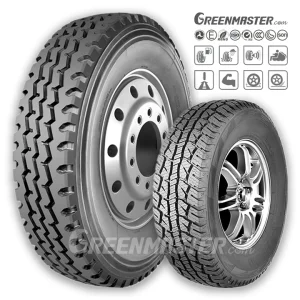
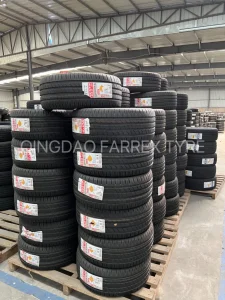
Close proximity to global shipping ports like Qingdao allows for efficient logistics coordination. The capability to mix loads—combining heavy OTR tires with passenger car radial (PCR) tires or light truck wheels—optimizes container utilization, significantly lowering freight costs per unit.
Fierce competition drives Chinese suppliers to offer agile OEM/ODM solutions. Engineers can modify tread structures, reinforce tire shoulders, and alter compound ratios to match localized operations, such as low-ventilation underground mines or high-heat open pits.
Established in 2017, Shandong DUS Automotive Parts Co., Ltd. has developed into a leading industry provider, focusing on the research, development, production, and sales of high-end automotive wheels, tires, and heavy accessories.
Domestic and global operators trust the DUS brand to deliver reliable components. Adapting to the rapid development of the global automotive and heavy machinery aftermarket, our team operates under a core philosophy: "Good Quality, Customer First." We combine modern engineering with dedicated support to supply high-performance, world-class products worldwide.
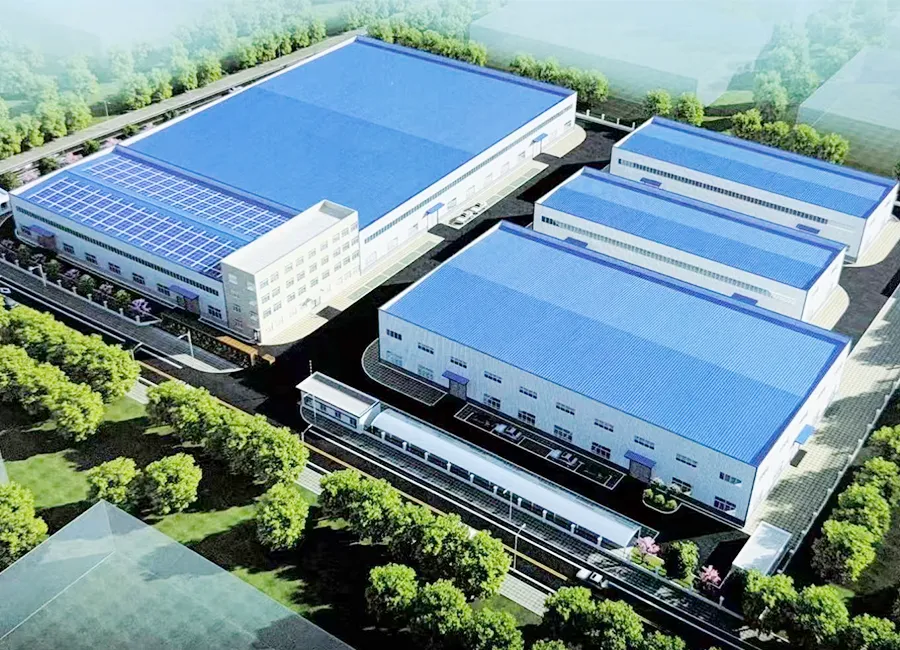
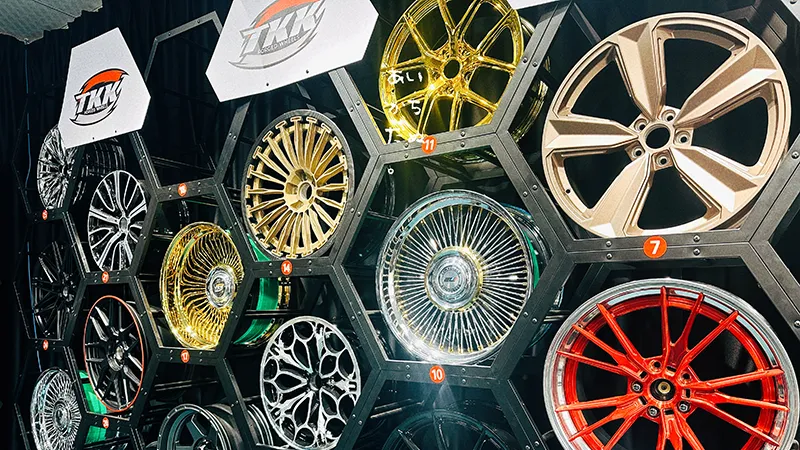
Our business operations cover 22 countries and regions including the United States, Canada, South Africa, Japan, and Southeast Asia. From domestic promotional car modification programs to global industrial mine sites, we supply customized wheels and high-load tires designed for extreme applications.
Matching specialized tire designs to distinct, high-intensity operational environments.
Open-pit operations involve long haul cycles over unpaved roads, putting tires at risk of heat buildup and tread wear. Tires used here require deep E-4 treads and high TKPH ratings to maintain continuous operations under sunlight and heavy payloads.
Underground environments feature low clearance, tight turning radiuses, and water-slicked granite floors. Low-profile, cut-resistant L-5 slick/smooth tires are used on load-haul-dump (LHD) loaders to prevent carcass punctures and sidewall tearing.
In muddy conditions, standard tread patterns can slip and reduce productivity. High-traction, self-cleaning E-3 block patterns shed clay and mud, keeping the vehicle stable and preventing wheel spin.
The future of heavy-haul tires is defined by intelligent systems, sustainable materials, and specialized engineering.
Integrating digital sensors directly into the inner liner allows operators to track internal temperature and inflation pressure in real time. Continuous monitoring helps prevent blowouts, optimize tread life, and improve safety.
The industry is shifting toward sustainable materials, such as bio-sourced silica and devulcanized recycled rubber. These additions reduce the carbon footprint of production without compromising tensile strength or abrasion resistance.
Modern mining operations run larger haul trucks to maximize efficiency. High-load radial tires feature reinforced steel casings designed to handle heavier payloads, improve fuel economy, and deliver lateral stability on uneven terrain.
Providing reliable certification, technical support, and logistical compliance to keep operations running smoothly.
Our products comply with major international quality and safety certifications. We provide the documentation required for smooth customs clearance and import compliance, including DOT, ECE, ISO 9001, GCC, and SASO certifications.
Through local partners and distributors, we offer on-site technical assistance to help optimize tire performance. Services include checking inflation pressure, analyzing TKPH suitability, and training maintenance crews on safety and replacement cycles.
We work with international logistics providers to manage delivery timelines. Our logistics services cover multi-modal shipping, specialized OTR handling, customs clearance, and port delivery to minimize transit delays.
Answers to common technical, logistics, and supply chain questions from global procurement managers.
Radial tires feature steel cords that run perpendicular to the bead, allowing the tread and sidewall to operate independently. They offer lower heat buildup, longer tread life, and better fuel economy. Bias tires utilize multiple overlapping diagonal nylon cord plies, providing stiffer sidewalls that resist cutting and impact damage in rough, low-speed underground applications.
TKPH (Tonne-Kilometre-Per-Hour) measures a tire's heat tolerance. It represents the product of the average load per tire and the average speed of the vehicle. Operating above a tire's TKPH limit causes heat to accumulate in the rubber, which can lead to thermal separation and tire failure.
Our products are manufactured in facilities certified to international standards. Depending on the product category, certifications include US DOT (Department of Transportation), European E-Mark (ECE), ISO 9001 (Quality Management), and local regional compliance documents like GCC and SASO.
Yes. We support consolidated container loading. Customers can mix large OTR tires, light truck tires (TBR), passenger car tires (PCR), and matching forged or cast wheels within a single shipment to optimize space and reduce unit logistics costs.
We can customize rubber formulations based on operating conditions. For highly abrasive rock environments, we increase cut-resistant compound ratios. For high-speed transport routes, we adjust the tread compound to minimize heat generation, improving durability and lifetime performance.
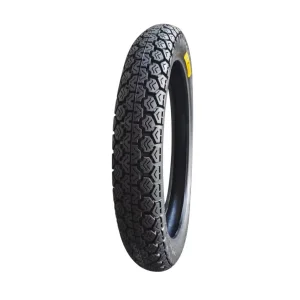
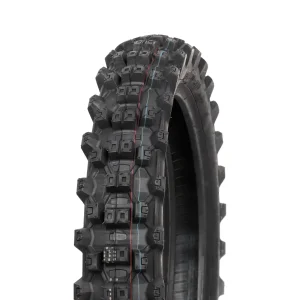
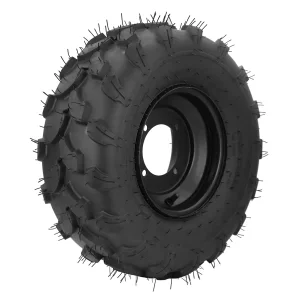
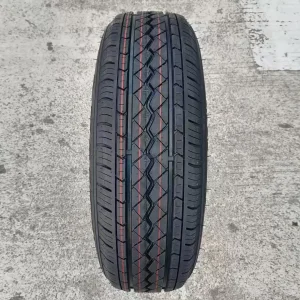
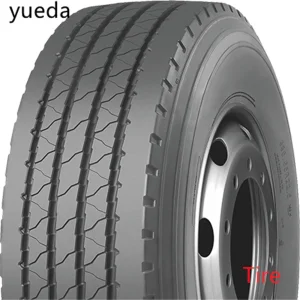
Explore our full line of passenger car, motorcycle, truck, and specialized vehicle tires.