DUS Auto Parts
DUS Auto Parts
DUS Auto Parts
Direct supply from state-of-the-art facilities with global certification compliance.
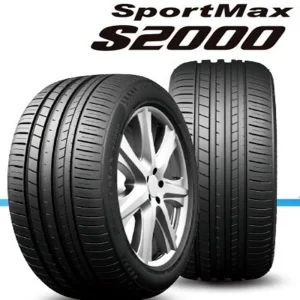
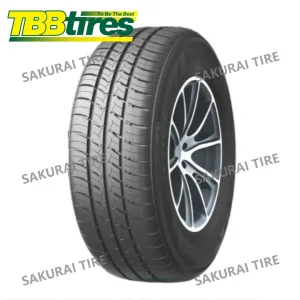
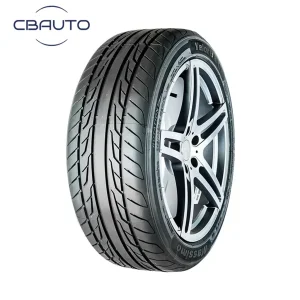
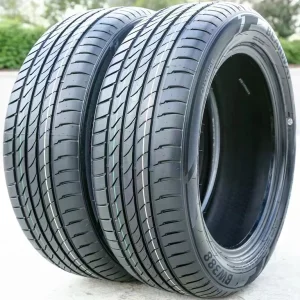
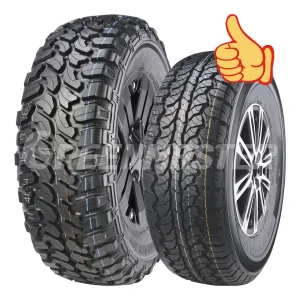
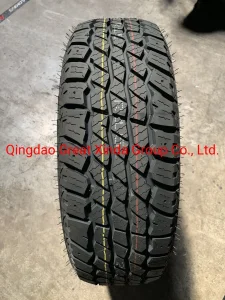
The global low-speed vehicle (LSV) and golf cart markets are experiencing unprecedented structural growth. Historically restricted to golf fairways, utility vehicles have evolved into core mobility assets within gated master-planned communities, eco-resorts, airport hubs, logistics centers, and academic campuses. This diversification of application scenarios has driven a significant shift in performance expectations, shifting from basic turf protection to demanding higher levels of mechanical wear resistance, street stability, load capacities, and environmental longevity.
Today, fleet operators and distributors look beyond standard tread designs. The criteria for high-performing golf cart tires are heavily focused on reducing rolling resistance to optimize lithium-ion battery cycles, increasing tread depth to maximize operational lifespan, and securing compliance with strict Department of Transportation (DOT) guidelines for public road access.
From a manufacturing standpoint, golf cart tires represent a highly specialized segment. Unlike passenger car tires (PCR), these specialty designs must manage dual environments: preserving sensitive turf without compromising tractive force while safely supporting heavy payloads on hard asphalt. Achieving this balance requires engineered rubber compounds containing specific silica balances, multi-ply nylon casings, and advanced vulcanization protocols that prevent structural fatigue under high duty cycles.
"The paradigm shift towards electric fleets has made tire rolling resistance a decisive factor. Reducing tread drag directly translates to an extended operational range of up to 12% per charge cycle."
How automation, raw material access, and advanced engineering deliver unrivaled competitive advantages to global buyers.
By using robotic compounding and computerized curing processes, our facilities minimize variation between batches. This guarantees that every tire meets precise dimensional and weight tolerances, critical for high-speed balance and vehicle safety.
We deploy dynamic runout testers and laser-interferometric inspections to identify micro-voids and tread deformities before packaging, maintaining a structural reject rate under 0.05% across our production runs.
Integrating tire and wheel production under one supply network enables complete assembly configurations. This reduces logistics footprints, simplifies shipping operations, and lowers overall component unit costs.
Technical Insight: By consolidating tire molding and aluminum alloy forging, we ensure exact mechanical centering. This eliminates runtime vibrations, protects suspension bushings, and extends the operational lifespan of electric golf cart transaxles.
Precision-molded tread profiles matched to specific surface conditions and operational requirements.
Turf preservation is critical for golf course operators. Tires designed for fairway operations feature wide contact patches with round shoulders and shallow, non-aggressive treads. This design distributes vehicle load evenly, preventing the tire from cutting into soft grass and damaging roots, especially under wet conditions.
For gated residential areas and public roads, tires must carry certified DOT compliance. These designs focus on tread layouts that channel water away effectively, reducing the risk of hydroplaning and ensuring responsive handling.
In manufacturing plants, ports, and cargo hubs, utility vehicles haul heavy loads on rough asphalt and concrete. Tires for these areas require multi-ply casing constructions (typically 4-ply or 6-ply) and thick tread sections to resist cuts and punctures from metal debris.
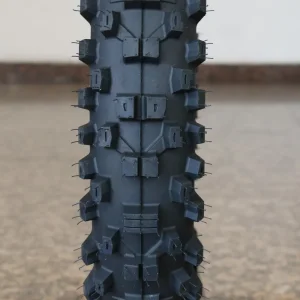
For trail riding, beach resorts, and nature parks, deep mud treads provide the traction needed on loose dirt, sand, and muddy surfaces.
Established in 2017, Shandong DUS Automotive Parts Co., Ltd. focuses on the research, development, production, and sale of high-end car wheels and specialty tires. In response to the growth of the international automotive aftermarket, DUS has built its business on a foundation of quality, customer-first service, and engineering innovation.
Our business currently covers 22 countries and regions, including the United States, Canada, South Africa, Japan, and Southeast Asia. We supply a wide range of upgraded wheels and tire solutions for various vehicle models, establishing DUS as a reliable and trustworthy partner in the global market.
As we grow, we remain focused on refinement, continuous improvement, and technical innovation, aiming to deliver high-quality components to the global wheel modification and utility vehicle markets.

We offer integrated sourcing options across our factory networks, combining tires, wheels, and mounting hardware to optimize your supply chain logistics and lower procurement costs.

Complete range of wheels, tyres and accessories tailored to various vehicle types and performance applications.
Cost advantage through lean production and automation, cost reduction by leveraging bulk purchase.
High quality product and design service by professional quality control system.
High efficient global logistics service and quick response customer service.
Procuring tires globally requires addressing complex import regulations, international duties, and anti-dumping actions. In major markets like the United States, importing directly from Chinese tire facilities can trigger high anti-dumping and countervailing duties (AD/CVD). These additional costs can affect margins for wholesale distributors and fleet buyers.
To address this, Shandong DUS has structured strategic production partnerships in Southeast Asia, including modern facilities in Cambodia and Thailand. Shipping products from these locations allows us to offer favorable tax rates and simplified logistics pathways for the US market.
Through our established logistics network, we offer DDP (Delivered Duty Paid) shipping solutions. This means we manage customs clearance, local compliance filings, and land transport inside the destination country. This approach provides buyers with clear, all-inclusive pricing, avoiding unexpected costs and minimizing regulatory issues at the port of entry.
Our dual-origin supply network (China/Southeast Asia) allows clients to balance manufacturing costs and import duties, ensuring stable inventory and competitive landing costs.
Practical answers to help purchasing managers, distributors, and fleet owners make informed decisions.
Explore our wider range of vehicle tire options built for challenging conditions.