DUS Auto Parts
DUS Auto Parts
DUS Auto Parts
Engineered to deliver exceptional traction, durability, and safety across diverse off-road, track, and passenger applications.
Analyzing the critical macroeconomic drivers, market demand patterns, and modern industrial requirements for high-performance off-road mobility.
The global demand for All-Terrain Vehicle (ATV) and Utility Task Vehicle (UTV) utility tires has transitioned from purely recreational use to core industrial, agricultural, and public sector operations. Across North America, Europe, Australia, and key emerging regions, utility vehicles are active in forestry, rescue, power grid maintenance, and commercial agriculture. This diverse terrain exposure demands highly specialized tire systems that guarantee stability, traction, and resistance to environmental fatigue.
As governments globally enforce safer transport conditions in extreme locations, industrial users require high-ply ratings (typically 6-ply to 8-ply rated carcasses) and extreme load parameters. Fleet operations are shifting from generic replacements to custom OEM/ODM solutions built specifically for regional soils, regulatory requirements, and temperature extremes. Working with a reliable, ISO-certified manufacturer like Shandong DUS Automotive Parts Co., Ltd. ensures access to high-grade technical compounds and tailored tread architectures.
A deep dive into advanced elastomer chemistry, footprint pressure distribution, and self-cleaning mechanical tread profiles.
Our radial tire design decouples tread and sidewall flex. This distributes load evenly, decreases rolling resistance, and delivers a much wider footprint. This configuration minimizes soil compaction in sensitive agricultural contexts and yields superior control at high speeds.
Integrating highly dispersed silica, high-cis polybutadiene rubber, and micro-structure carbon black increases tear resistance. This advanced compound formula prevents tread cracking in cold weather, resists abrasive chunking on sharp rocks, and maintains consistent tread block rigidity under high thermal loads.
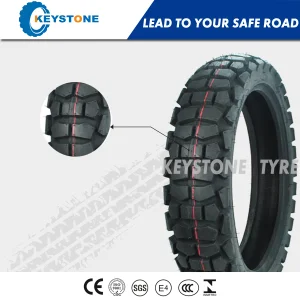
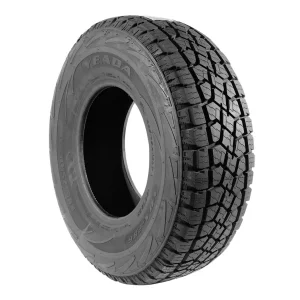
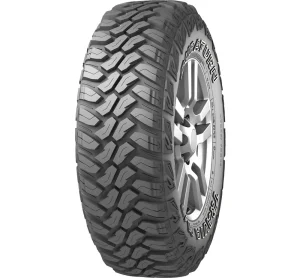
Mud and rock accumulation degrades performance and increases puncture risk. Our computer-optimized shoulder lugs and intermediate stepped tread blocks leverage natural centrifugal forces, continuously clearing debris for steady grip on slick clay and loose gravel.
Future engineering profiles focus on introducing green-carbon technologies derived from bio-based feedstocks and recycled tire rubbers. This maintains the strict structural integrity required by heavy-duty ATVs while reducing overall emissions. Additionally, embedded RFID tags and TPMS (Tire Pressure Monitoring System) compatibility allow commercial fleet operators to monitor temperatures and pressures in real time, maximizing operational lifespan and avoiding unexpected downtime.
Tailoring physical configurations to survive regional terrain complexities and localized climates.
Designed for muddy bogs and wet forest soils, these configurations feature deeper mud-clearing lugs (up to 1.5 inches) and reinforced sidewall protectors. These elements shield the tire carcass against root punctures and sudden side impacts.
To resist fast abrasive wear, Australian outback operations use flat-profile treads with tightly spaced center lugs. This configuration maximizes contact patch area, lowers running temperatures on long gravel runs, and resists sharp shale damage.
European utility markets prioritize minimal soil footprint disruption. Optimized flexible radial structures operate safely at low inflation pressures, protecting turf and agricultural topsoil without compromising load capacity.

Leveraging Chinese manufacturing infrastructure delivers major cost and logistical advantages. Raw material supplies—including natural rubber, synthetic polymers, and high-tensile steel cords—are sourced directly through integrated domestic supply networks, protecting operations against global pricing volatility.
Advanced manufacturing utilizes automated curing and molding machines, automated strip winders, and advanced laser inspection systems. This level of automation ensures consistent tread depth, uniform weight distribution, and eliminates structural voids. As a result, global clients receive premium quality without the high premium cost.
Direct integration with primary chemical suppliers stabilizes raw material costs.
Proximity to major shipping hubs ensures fast, reliable container delivery worldwide.
Established in 2017, DUS has focused on the engineering, design, and manufacturing of premium automotive wheels, custom off-road components, and specialized tire integrations. Addressing the rapid growth of automotive modifications and specialized commercial utility demands, DUS maintains a core philosophy of "uncompromising quality, customer first." By pairing a forward-looking mindset with intensive R&D, we deliver high-performance, world-class products to global markets.
Our business spans key global markets including the United States, Canada, South Africa, Japan, and Southeast Asia. We continuously explore new materials, design processes, and compound configurations to supply heavy-duty industries and off-road distribution partners with dependable products.

We minimize complexity by packaging matching wheel assemblies, utility tires, and custom components in single shipments, dramatically streamlining international procurement.
Understanding international standards, custom testing protocols, and OEM branding services.
Our partner factories manufacture tires in strict compliance with global standards, including US DOT regulations, European E-Mark certifications, and ISO9001 frameworks. This guarantees seamless customs clearance and liability protection in demanding commercial markets.
We offer bespoke tread patterns, sidewall branding, custom ply adjustments, and rubber formulation options. Our engineers work directly with your design files to develop specific compounds that meet your targeted performance standards.
Every commercial production batch undergoes strict quality control, including dynamic balance tests, X-ray bubble checking, and load durability evaluations. We offer comprehensive product liability warranties and dedicated logistical support.
Providing clear, expert answers on tire physics, customization, import procedures, and performance metrics.
The standard development timeframe ranges from 45 to 60 days. This includes initial 3D modeling, FEA (Finite Element Analysis) stress simulations, mold design, prototyping, and initial physical testing. Batch production begins immediately following customer approval of the prototype samples.
Radial construction separates tread and sidewall function, allowing the sidewall to flex and absorb trail impacts without affecting tread contact. This delivers a larger, flatter footprint, reduced rolling resistance, longer tread life, and increased operator comfort. Bias-ply designs offer stiffer sidewalls, which can be advantageous in heavy cargo towing and extreme rock crawling at lower speeds.
Our partner manufacturing facilities operate under ISO9001 and IATF 16949 quality management systems. Product-level certifications include DOT for North America, E-Mark (ECE) for European road-legal utility applications, and national safety standard compliance tags as requested by the importer.
Yes. We adjust the natural rubber and high-dispersion silica ratios to keep the tread flexible at temperatures down to -40°C. This compound adjustment prevents cracking and maintains traction on hard-packed snow and ice without causing rapid wear during warmer periods.
MOQ requirements depend on the specific mold and customization level. For existing mold profiles with custom compound or branding changes, the MOQ is typically a single 20ft shipping container (approximately 400 to 600 utility tires depending on size). For completely custom tire patterns requiring new mold designs, the MOQ is typically higher to amortize the initial tooling costs.
Durable, high-grip options designed to optimize fleet performance, commercial trucks, and racing vehicles.