DUS Auto Parts
DUS Auto Parts
DUS Auto Parts
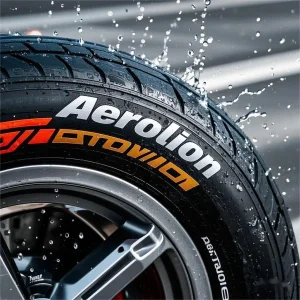
Aquaplaning, also known as hydroplaning, occurs when a layer of water builds up between the wheels of the vehicle and the road surface, leading to a loss of traction and preventing the vehicle from responding to control inputs. For global tire exporters, mastering the Wet Grip Index is not just a regulatory hurdle—it is a competitive necessity.
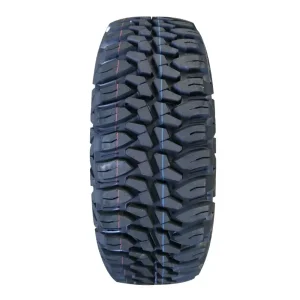
Top-tier factories utilize advanced Computational Fluid Dynamics (CFD) to simulate water flow through tread patterns. By optimizing the "void ratio"—the balance between rubber blocks and grooves—engineers can ensure that water is evacuated at rates exceeding 30 liters per second at highway speeds.
Established
Exporting Countries
Certifications
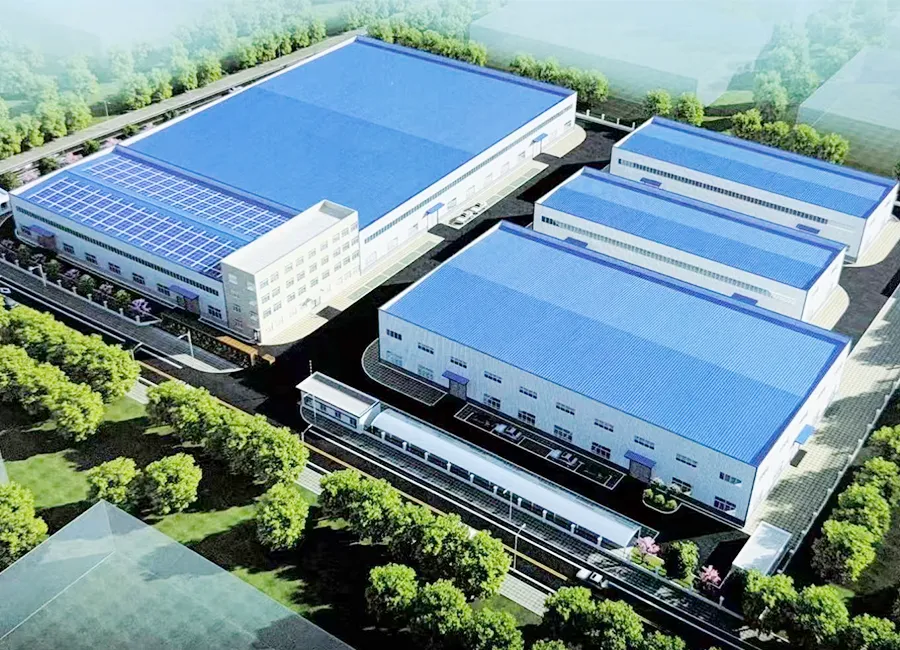
Modern Chinese factories, such as those in the Shandong tire cluster, have integrated AI-driven quality control. Sensors detect microscopic imbalances in the tread compound that could lead to uneven water drainage.
The use of high-dispersion silica in tire compounds significantly improves wet grip without sacrificing rolling resistance. Our partner factories lead in "Green Tire" technology that balances safety and fuel efficiency.
From raw natural rubber sourcing to final delivery, the integration of One-stop Supply Solutions reduces lead times and costs, offering a massive advantage to global wholesalers.
Utilization of asymmetrical tread patterns where the inner side is optimized for water evacuation (aquaplaning resistance) and the outer side for cornering stability on dry roads.
The industry is moving toward tires embedded with TPMS (Tire Pressure Monitoring Systems) that can warn drivers when tread depth reaches a level where aquaplaning risk becomes critical. This "Intelligent Tire" ecosystem is a core focus for R&D centers in the next decade.
Exporters are increasingly required to provide "Carbon Footprint" data. Replacing petroleum-based oils with soybean oil or citrus extracts is not just eco-friendly; it actually enhances the flexibility of the rubber in low-temperature wet conditions.
Tire solutions are no longer "one-size-fits-all." Southeast Asian markets demand high-heat resistance alongside water drainage, while Northern European markets require compounds that remain soft in near-freezing rain.
Established in 2017, Shandong DUS Automotive Parts Co., Ltd. has rapidly emerged as a leader in the high-end automotive aftermarket. With a focus on research, development, and the production of premium car wheels and performance tires, DUS embodies the philosophy of "Good Quality, Customer First."
Our footprint spans 22 countries including the USA, Canada, South Africa, and Southeast Asia. We provide one-stop supply solutions that leverage lean production and automation to provide a cost advantage without compromising on the stringent quality control systems required by global safety standards.
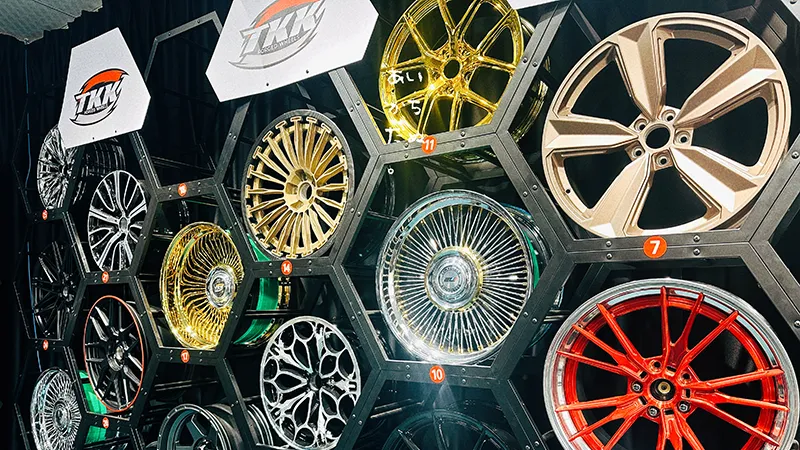
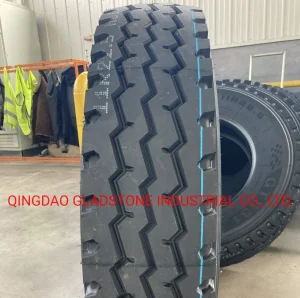
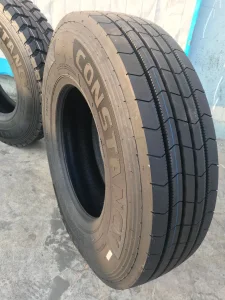
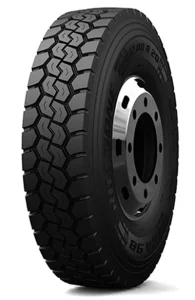
For long-haul trucking, aquaplaning resistance translates directly to insurance premium reductions and driver safety. Our 315/80R22.5 series is designed specifically for heavy-duty drainage.
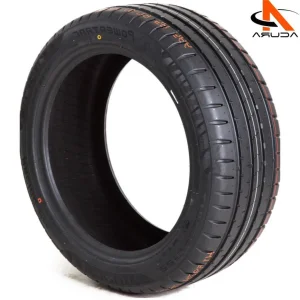
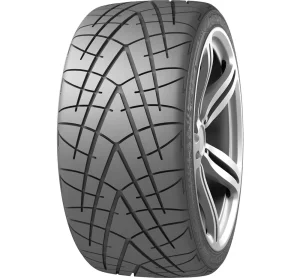
Stop-and-go traffic on wet asphalt requires tires with high-frequency siping to break the water tension. Our PCR series offers superior braking distances in city environments.
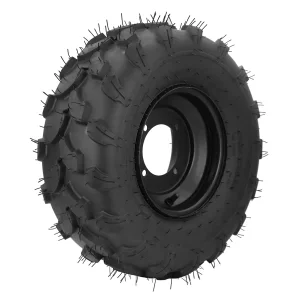
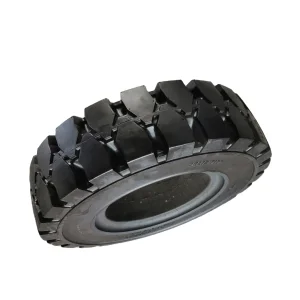
Off-road and forklift operations in wet warehouse environments require solid or deep-tread tires. The 15X4 1/2-8 solid tire series provides grip where pneumatic tires might slip.
While the legal limit in many regions is 1.6mm, for effective water evacuation, experts recommend a minimum of 3mm. Below this, the tire's ability to channel water away drops exponentially.
Look for the EU Tire Labeling symbols (A to E) or the Uniform Tire Quality Grading (UTQG) traction ratings (AA, A, B, C). A reputable exporter will provide test reports from independent bodies like TÜV SÜD.
Yes. Counter-intuitively, wider tires are more prone to aquaplaning because the weight of the vehicle is distributed over a larger area, making it harder for the tire to "cut" through the water film. This is why high-performance wide tires require more aggressive groove engineering.
It is strongly discouraged. Different tread patterns have different water evacuation rates. Mixing them can cause the vehicle to pull to one side during heavy rain, potentially leading to a spin-out.