DUS Auto Parts
DUS Auto Parts
DUS Auto Parts
Engineered to lower rolling resistance, optimize fuel economy, and endure the demanding road surfaces of Brazilian regional logistics routes.
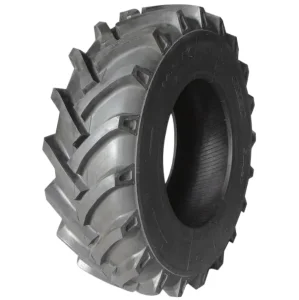
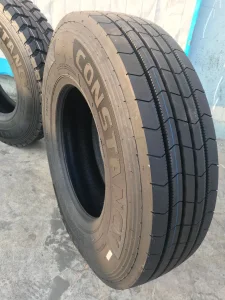
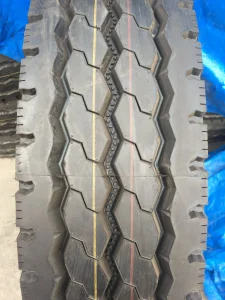
São Paulo is the beating heart of Brazil's industrial and agricultural logistics network. Connecting the sprawling agricultural interiors of Ribeirão Preto and Campinas directly to the Port of Santos—the largest seaport in Latin America—the regional highways demand tires that can withstand heavy payloads while addressing severe fuel consumption overheads.
With fuel expenses representing over 40% of fleet operating costs in Brazil, logistics operators across São Paulo are shifting toward fuel-efficient tires featuring low rolling resistance coefficients (RRC). High temperature variations, challenging road friction, and intense urban stop-and-go patterns in the São Paulo Metropolitan Area require tires formulated with specialized silicas and vulcanization processes.
Advanced silica compounds and low-hysteresis carcass structures reduce rolling resistance, generating significant diesel fuel savings for logistics fleets.
Brazilian fleet operations depend heavily on retreading. Our casings are engineered for multiple lives, reducing the overall lifecycle cost per kilometer.

Shandong DUS Automotive Parts Co., Ltd. integrates advanced tire and wheel engineering to optimize commercial fleet performance worldwide.
Established in 2017, Shandong DUS Automotive Parts Co., Ltd. began with a focus on researching, developing, and producing premium forged and cast car wheels. Driven by the rapidly shifting global vehicle aftermarket, DUS remains dedicated to the business philosophy of "good quality, customer first," bringing technical innovation to fleet fuel savings by integrating high-performance tires with lightweight wheels.
A vehicle's rolling resistance depends on the interaction between the tire tread and the wheel assembly. By pairing low rolling resistance radial tires with high-strength, lightweight forged wheels, we help operators significantly reduce unsprung weight, optimizing rolling dynamics and saving fuel.
How our technical integrations address international decarbonization requirements and localized road conditions.
Governments worldwide are enforcing strict CO2 emission limits and ESG requirements on transport and logistics companies. As fuel costs rise and eco-labels become standard in Europe and the Americas, tire manufacturers must innovate with advanced materials to reduce rolling resistance without sacrificing wet grip or wear life.
Brazil's road networks present distinct challenges, from uneven asphalt surfaces to high ambient pavement temperatures. Our fuel-efficient tires are specifically adjusted for these operating conditions, striking a balance between energy efficiency and casing strength.
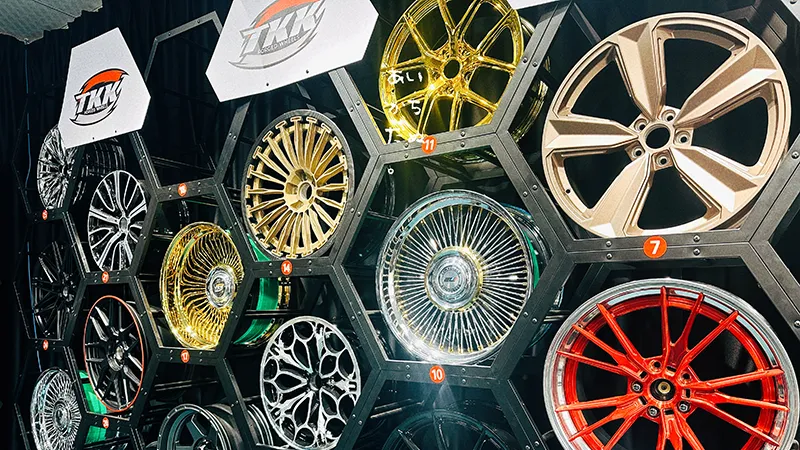
Combining design, manufacturing efficiency, and global logistics support to optimize commercial fleets.
We offer a complete range of wheels, commercial tires, and accessories engineered to fit light, medium, and heavy-duty logistics fleets.
Lean production methods and automated manufacturing processes keep quality high while helping lower the total cost per kilometer.
Every tire batch undergoes structural integrity assessments, radial runout tests, and rolling resistance verifications.
Our global supply chain logistics simplify imports, customs coordination, and delivery scheduling for Latin American buyers.
Our ongoing development roadmap for next-generation eco-tires and commercial wheel systems.
Integrating highly dispersible nano-silica into natural rubber compounds to minimize molecular friction within the tire tread, reducing rolling resistance by up to 15% without compromising tread life.
Utilizing high-tensile steel cord structures to reduce overall tire carcass weight while maintaining structural load-carrying capacity, resulting in lower vehicle inertia and reduced fuel consumption.
Embedding high-temperature resistant RFID microchips directly within the tire carcass to help fleet managers track tire temperature, inflation pressure, and exact tread wear in real time.
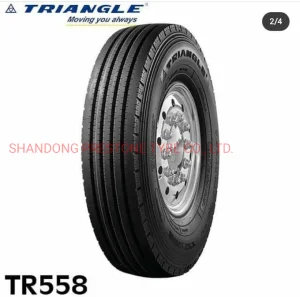
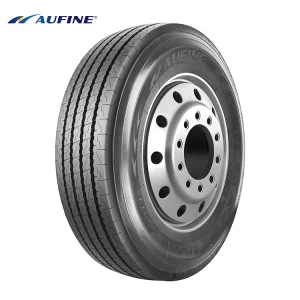
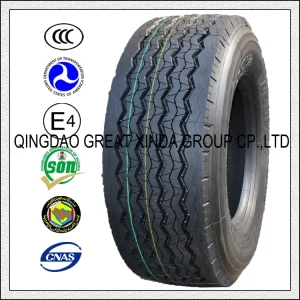
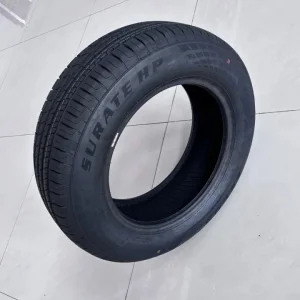
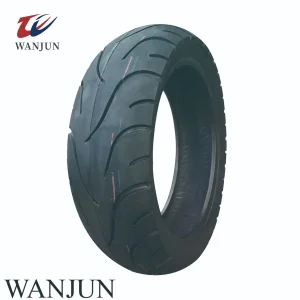
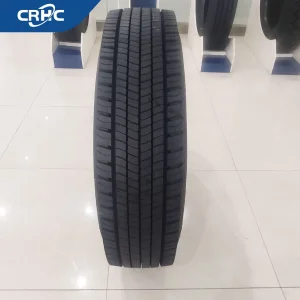
Explore our complete range of certified fuel-efficient tires designed for freight, passenger transport, agricultural, and industrial applications.
Technical answers to common questions about rolling resistance, local certifications, and fleet tire performance.
Low rolling resistance tires reduce the energy lost through hysteresis—the heat generated as the tire flexes while rolling under a load. By using advanced silica-rubber blends and structural casings, these tires deform less and recover their shape more efficiently. This reduces the engine effort required to keep the truck moving, lowering fuel consumption by 4% to 12% depending on the driving cycle.
INMETRO (National Institute of Metrology, Quality and Technology) certification is a legal requirement for tires sold in Brazil. It verifies that tires meet local standards for load capacity, high-speed performance, noise levels, and wet-grip traction. Importing or operating non-certified tires can lead to severe fines and vehicle detentions during road safety inspections.
High highway temperatures, particularly during summer in São Paulo's interior, accelerate heat buildup inside tires, which can cause tread separation and rapid wear. Our tires are formulated with heat-resistant sub-tread rubber compounds that disperse heat efficiently, preserving the integrity of both the tread and the underlying casing for future retreading cycles.
Yes. Our reinforced agricultural and heavy radial truck casings are designed with high-tensile steel belts. This construction provides the load-bearing capacity needed for heavy agricultural work while utilizing advanced tread patterns to minimize rolling resistance on paved sections of the journey.
Under recommended inflation pressures and proper load management, our heavy-duty TBR steel casings are designed to support 2 to 3 retreading runs. Retreading helps commercial logistics fleets significantly lower their overall lifetime cost per kilometer.
Consult with our engineering and supply team to find the right tire and wheel combinations for your specific operating routes and logistics requirements in Brazil.
Send Inquiry Now