DUS Auto Parts
DUS Auto Parts
DUS Auto Parts
Explore our premium selection of heavy-duty industrial, commercial, and specialty pneumatic solutions engineered for maximum tractive load and long-term durability.
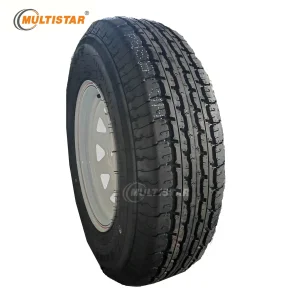
Why grading operations require specialized, premium-tier radial and bias pneumatic tire engineering to sustain continuous project workflow.
Motor graders represent the mechanical foundation of modern infrastructure development. Unlike general loaders or transport trucks, graders execute precise surface finishing, ditch cutting, bank sloping, and snow removal under immense lateral force. These operations subject the wheel assembly and tire carcass to sustained shear stress. Without specialized Grader Service Tires, operations suffer from premature sidewall fatigue, uneven tread wear, slippage, and critical down-time.
To optimize earthmoving efficiency, modern project managers must deploy tires designed specifically for grading dynamics. These tires balance tractive force with lateral stability. As a premier partner in global logistics and heavy automotive components, we deliver tailored OEM/ODM solutions to address these heavy-duty engineering requirements, ensuring long-term utility in the most challenging geographical sectors.
Grading requires an optimal footprint. Tires must minimize soil compaction (high flotation) while providing massive pulling force. Our customized tread patterns balance void ratios to prevent soil building in the tread grooves.
During side-shifting and bank sloping, the motor grader places extreme lateral torque on the tire bead. Reinforced sidewalls and specialized plies prevent rim slippage and bead separation under heavy load.
Working over sharp rocks, shale, and industrial debris ruins standard rubber compounds. Our customized OEM compounding integrates high-strength silica and natural rubber polymers to resist tearing.
Our OEM/ODM grader tires utilize state-of-the-art radial and bias ply construction. For long-haul road maintenance, our radial steel-belted designs reduce heat build-up, lower rolling resistance, and optimize fuel efficiency. For heavy mining graders, our bias-ply tires utilize ultra-tough nylon cord casing to handle maximum mechanical puncture threats.
We work closely with fleet managers to determine the exact engineering specifications required for their local conditions:
Analyzing OTR tire demands across key global economic zones and how customized manufacturing secures supply chain reliability.
The global demand for high-tier OTR (Off-The-Road) tires has risen significantly, driven by mining expansions in South America and Africa, alongside massive infrastructure developments in North America and Southeast Asia. Heavy equipment downtime can cost operators thousands of dollars per hour. Consequently, sourcing reliable, wear-resistant grader service tires from experienced manufacturers has become a key strategic priority for global procurement officers.
In mature markets like the United States and Germany, strict workplace safety regulations demand tires with exceptional traction and predictable wear patterns. Meanwhile, developing economies require cost-efficient, durable products that can handle poorly maintained roads without carcass deformation. By working with a verified OEM/ODM manufacturer like DUS, distributors can access tailored products that match local economic, climate, and mechanical needs.
Focuses on long-lasting radial solutions for highway construction, requiring DOT compliance, low heat generation, and excellent retreadability options.
Demands deep tread depth (L-3/G-3) and extreme chunk-resistant compounds to withstand sharp iron ore, copper, and bauxite tailings.
Requires high-flotation bias tires with aggressive self-cleaning capabilities to prevent bogged machinery in tropical mud conditions.
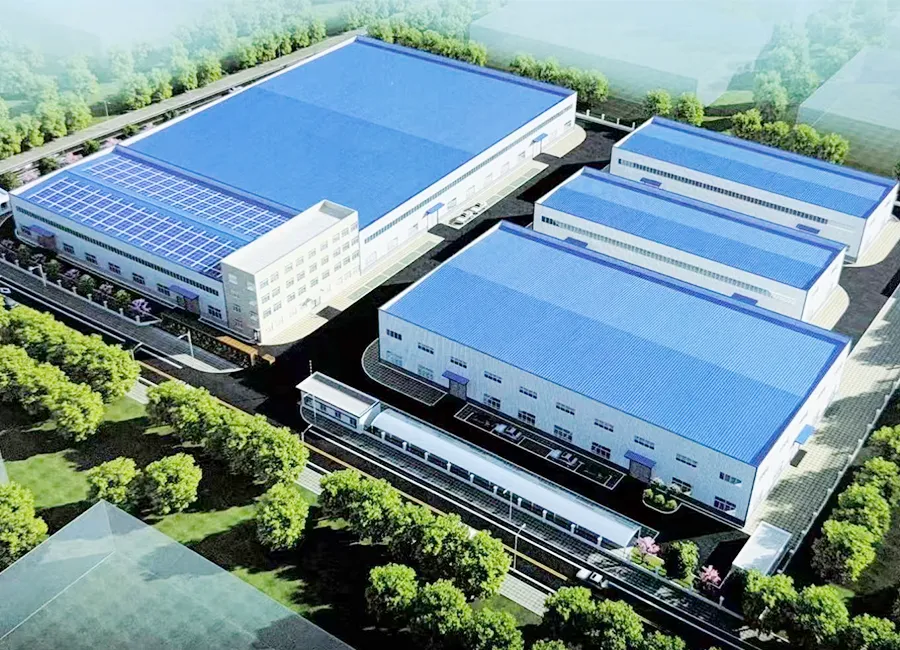
Established in 2017, Shandong DUS Automotive Parts Co., Ltd. focuses on the research, development, production, and sales of high-end automotive wheels, heavy-duty utility tyres, and OTR accessories. Responding to the rapid expansion of global automotive and machinery markets, DUS prioritizes the business philosophy of "Good Quality, Customer First." With a forward-thinking mindset and deep industry experience, we are dedicated to creating high-performance, world-class products.
Our business covers 22 countries and regions, including the United States, Canada, South Africa, Japan, and Southeast Asia. We supply wheel modifications and specialized tire upgrades for various commercial and industrial machinery. We continue to explore and innovate, helping our clients optimize performance in every operational environment.
Was Established In
Exporting Countries & Regions
Qualification Certificates
Ensuring seamless compliance with local certification standards and providing dedicated regional technical assistance.
Purchasing OTR tires globally requires strict adherence to international and regional safety protocols. Our engineering designs comply with key certifications, including DOT, ECE, GCC, SASO, and ISO9001. This ensures that every shipment meets local customs requirements, preventing shipping delays and legal liabilities.
Beyond compliance, DUS offers robust technical support. We understand that field conditions vary significantly. Our field engineers can analyze your project parameters to recommend the ideal ply rating, casing structure, and compound chemistry. Whether you operate a fleet of graders in the freezing regions of Northern Europe or the arid mines of South Africa, our local logistics and technical assistance provide peace of mind.
All OEM manufacturing runs undergo certified pressure, puncture, and thermal testing to meet localized trade parameters without complications.
We provide diagnostic training for industrial fleet operators to identify wear indicators, manage correct inflation pressures, and extend tire life.
Our global transport channels are structured for rapid dispatch, minimizing warehouse holding costs and providing flexible delivery terms.
How DUS grader service tires perform under diverse, demanding real-world conditions.
Environment: Ambient temperatures exceeding 40°C, sharp basalt rock surfaces, continuous operation cycles.
Solution: Custom-formulated heat-resistant silica-compound bias tires. Sidewalls were reinforced to resist cutting from low-lying rock projections, yielding a 35% increase in operational wear-life.
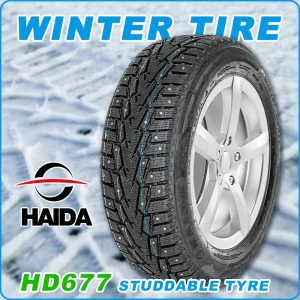
Environment: Sub-zero conditions down to -35°C, hard pack snow, black ice, salt exposure.
Solution: Studdable winter tread designs constructed with a low-glass-transition-temperature rubber compound. This kept the tread flexible, preventing micro-fractures in the lugs and providing reliable traction on icy grades.
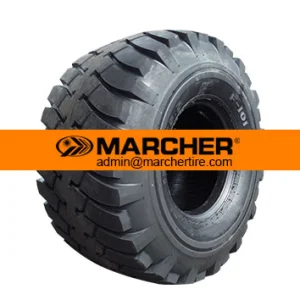
Environment: Heavy, wet clay soils, high water tables, deep mud.
Solution: Wide-footprint G-2 traction tires featuring self-cleaning tread channels. The high void ratio minimized mud accumulation, maintaining traction and steering control on soft roadbeds.
Our operational system is built to minimize procurement overhead while maintaining world-class manufacturing standards.
We provide a comprehensive range of wheels, tyres, and off-road mechanical accessories tailored to your fleet's exact configuration.
Benefit from clear cost advantages through lean production, high-tier automation, and bulk purchasing power.
We guarantee robust product quality and design services backed by an ISO-compliant quality control system.
Ensure seamless fleet integration with highly efficient global logistics and rapid-response customer service.
How we are integrating IoT telemetry, sustainable materials, and new curing technologies into our OTR tires.
The OTR industry is undergoing a major shift driven by autonomous grading machines and strict ESG targets. Real-time fleet management systems require tires that can monitor their own heat levels, load distribution, and structural integrity. DUS is positioning itself at the forefront of this evolution through three main technological developments:
We are testing vulcanized RFID tags that communicate with grading telemetry hubs. This allows operators to easily monitor running temperatures and tire pressure, preventing unexpected failure.
We are incorporating bio-based silica sourced from rice husk ash and sustainable carbon black polymers, lowering our manufacturing carbon footprint without compromising compound durability.
Our R&D team is refining tread chemical compositions that resist micro-cracks under heavy traction, helping to slow down general wear on abrasive quarry roads.
Get expert answers to common technical, mechanical, and logistical questions about grader service tires.
The core difference lies in the tread pattern and tread depth. G-2 traction tires feature an open lug layout designed for soft soil and mud, offering excellent self-cleaning. G-3 rock tires feature denser tread blocks and a higher rubber-to-void ratio, designed to resist punctures on rocky terrain and hard-pack gravel.
Radial tires are ideal for long-distance grading, high-speed travel, and operations requiring lower rolling resistance and better fuel economy. Bias-ply tires are better for heavy bank-cut operations that place extreme lateral stress on the sidewall, as well as sites with high puncture risks.
Under-inflation causes excess heat, shoulder wear, and bead fatigue, which can lead to tire separation. Over-inflation reduces the tire footprint, increasing slipping, soil compaction, and the risk of impact cuts. Regularly check pressures based on the manufacturer's load charts.
We can customize tread profiles, ply ratings (PR), rubber chemical compounds (such as high-heat resistance or low-temperature flexibility), sidewall lettering, branding, and load indices to suit your specific market requirements.
Extended UV exposure, extreme temperatures, and poor stacking during transit can degrade natural rubber compounds. DUS manages temperature-controlled packaging, and optimizes ocean container spacing to keep the rubber fresh and stable upon delivery.
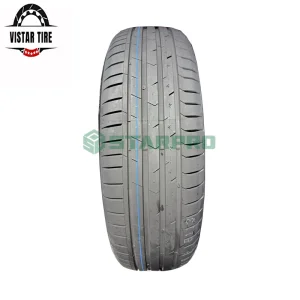
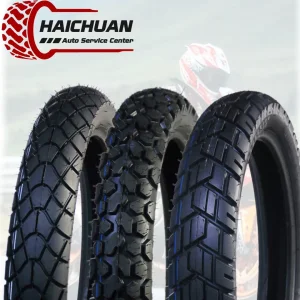
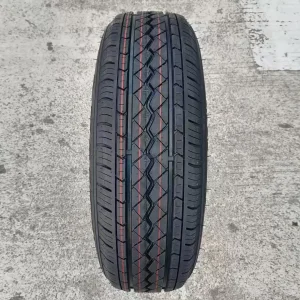
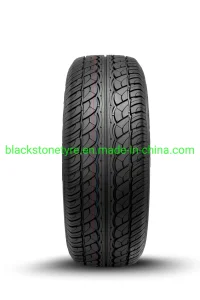
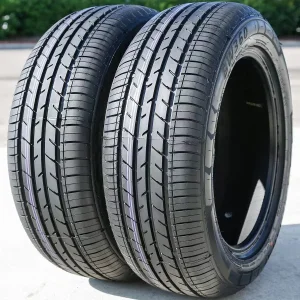
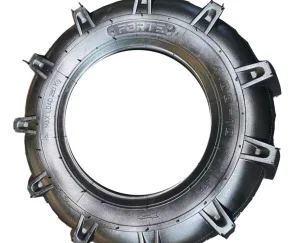
Our extended range of specialized tires for industrial, commercial, passenger, and agricultural machinery, built to handle tough environments.