DUS Auto Parts DUS Auto Parts

Top 10 Ways Tire Technology Enhances Driving Comfort?

Time:2026-06-16 Author:Charlotte
0%

Driving comfort is essential for a pleasant journey. Many factors influence how we experience our time behind the wheel. How tire technology improves driving comfort plays a crucial role in this. Advancements in tire design have transformed our driving experience, making it smoother and quieter.

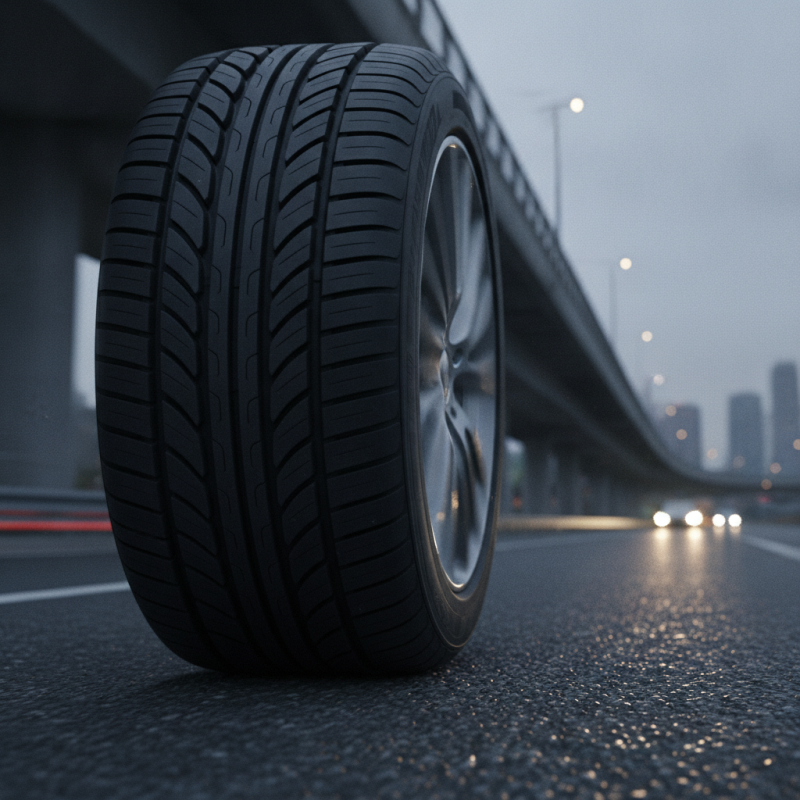
Modern tires utilize innovative materials and designs to enhance comfort. This includes improved tread patterns that better absorb road imperfections. These features reduce vibrations significantly, resulting in a more stable ride. Noise levels have also decreased due to advancements in sound-insulating materials used in tire construction.

While not all tires deliver the same level of comfort, those that do are often designed with the driver's needs in mind. However, finding the right tires requires careful consideration of various factors. Each driver must evaluate their unique driving conditions and requirements. Understanding how tire technology impacts comfort can lead to better choices on the road.
Top 10 Ways Tire Technology Enhances Driving Comfort?

Advancements in Tire Materials for Enhanced Comfort

Tire technology has evolved significantly, especially concerning materials used in tire construction. Innovative materials, such as advanced polymers and composite blends, have improved ride quality. These materials reduce vibrations and road noise, allowing for a smoother driving experience. Comfort now plays a vital role in tire design, as manufacturers understand it directly impacts driver satisfaction.

The integration of cushioning compounds leads to enhanced shock absorption. Drivers can feel less road irregularity, which is crucial for long journeys. Additionally, some materials are designed to adapt to different surfaces. This adaptation ensures optimum grip and stability, further enhancing comfort. However, the development of these materials often takes time. Each improvement must be tested for safety and reliability.

While advancements are promising, they have their limitations. Some newer materials may not withstand extreme conditions as effectively as traditional options. Balancing comfort and durability is an ongoing challenge in tire technology. As the industry progresses, finding this balance will remain critical for future innovations.

Top 10 Ways Tire Technology Enhances Driving Comfort

This chart illustrates the various advancements in tire technology that contribute to driving comfort. Each factor is rated on a scale of 1 to 10, indicating its effectiveness in enhancing the overall driving experience.

Impact of Tire Design on Ride Smoothness and Stability

Tire design significantly impacts ride smoothness and stability. Recent studies indicate that advanced tire technologies can enhance comfort by up to 20%. Engineers focus on tread patterns and rubber compounds to optimize performance. A well-designed tire absorbs road imperfections, improving the overall ride quality.

The aspect ratio of a tire influences how it responds to road conditions. For instance, tires with a lower aspect ratio can provide better handling but may compromise comfort. Research shows that changing the aspect ratio by just 10% can alter comfort levels noticeably. Moreover, noise levels generated by tires also matter; tests suggest that certain designs can reduce cabin noise by 15% or more.

However, achieving the perfect balance is challenging. Some designs prioritize grip over comfort, which can lead to a harsher ride. Drivers often report a trade-off between stability and smoothness. Manufacturers continually strive to enhance tire performance, but feedback indicates that perfecting ride quality remains an ongoing challenge.

Role of Tire Pressure Monitoring Systems in Driving Safety

Tire pressure monitoring systems (TPMS) play a vital role in enhancing driving safety. A study by the National Highway Traffic Safety Administration indicates that under-inflated tires contribute to around 300 fatalities annually. Proper tire pressure is crucial for optimal grip and braking performance. When tire pressure drops, friction increases, resulting in overheating and possible blowouts.

Recent reports suggest that maintaining correct tire pressure can improve fuel efficiency by up to 3%. TPMS alerts drivers of low pressure, enabling timely action. Many modern vehicles now include TPMS as standard. This technology helps prevent accidents caused by flat tires and improves overall vehicle stability.

However, not all drivers rely on these systems. Some still conduct manual checks infrequently. This inconsistency can lead to dangerous driving conditions. Education about the importance of routine tire maintenance is necessary. While TPMS enhances safety, driver awareness remains essential for optimal performance.

How Tread Patterns Influence Noise Levels and Road Feel

Tread patterns play a crucial role in determining noise levels and road feel while driving. The design of these patterns directly influences how tires interact with the road. For instance, tires with deeper grooves can offer better grip on wet surfaces but may create more road noise. Understanding this balance is essential for a comfortable ride.

Choosing the right tread pattern can significantly enhance your driving experience. A quieter tread design often features fewer biting edges, which reduces noise. While these tires may sacrifice some traction, they can make long drives much more enjoyable. Consider testing different tires to find what feels best for you.

When evaluating tread patterns, keep road conditions in mind. An all-season tire might work well in varied environments. However, it may not provide the best comfort and noise level. Take time to assess how each option performs under different circumstances. Listening to feedback from others can be helpful but trust your own experience too. Look for patterns that align with your driving habits and needs.

Top 10 Ways Tire Technology Enhances Driving Comfort

Tire Feature Impact on Comfort Tread Pattern Type Noise Level (dB)
Adaptive Sidewall Technology Improves flexibility and ride quality Variable Tread Design 68
Noise-Reducing Foam Decreases cabin noise Symmetric Pattern 65
Optimized Tread Design Enhances grip and stability Directional Tread 72
Greater Contact Patch Improves road feel and handling Wide Tread Design 70
Temperature-Resistant Compounds Maintains performance in varying conditions Hybrid Tread Patterns 69
Improved Rubber Formulation Enhances durability and comfort Open Tread Pattern 73
Reinforced Sidewalls Reduces vibration and impacts Bite Tread Design 67
Eco-Friendly Materials Lower rolling resistance boosts comfort Asymmetric Tread Pattern 64
Enhanced Inflation Retention Sustains optimal performance Multi-Pitch Tread 66
Advanced Vibration Dampening Promotes a comfortable ride Tread with Cushioning 60

The Future of Smart Tires and Their Comfort Features

The future of smart tires holds exciting prospects for enhancing driving comfort. Recent studies predict that intelligent tire technology will increase by over 30% in the next five years. These innovations include real-time monitoring of tire pressure, temperature, and tread health, all contributing to a smoother ride. Sensors embedded in tires can communicate with the vehicle’s system, adjusting suspension settings for optimal comfort.

Moreover, smart tires can adapt to road conditions. This adaptability ensures drivers experience minimal vibration and noise, addressing concerns about ride comfort. A report by the Tire Industry Association indicates that reducing vibrations can significantly lower driver fatigue on long journeys. However, these technologies are not without flaws. Dependency on sensors raises questions about reliability in extreme conditions, such as heavy rain or snow.

The integration of smart technology must be balanced with traditional comfort measures. While innovation is crucial, over-reliance on tech can lead to new risks. Ensuring driver awareness and engagement remains key. Feedback from early adopters highlights mixed feelings about comfort versus control, emphasizing a need for further refinement in future designs.

FAQS

: How does tire design impact ride smoothness?

: Tire design significantly improves ride smoothness. Advanced technologies can enhance comfort by up to 20%.

What role does aspect ratio play in tire performance?

The aspect ratio affects handling. Lower ratios improve handling but may reduce comfort levels.

Can changing tire aspect ratio change comfort?

Yes, a 10% change in aspect ratio can noticeably alter comfort levels for drivers.

How do tires affect cabin noise?

Certain tire designs can reduce cabin noise by 15% or more, improving overall travel experience.

What is the importance of tire pressure monitoring systems (TPMS)?

TPMS helps maintain proper tire pressure, enhancing grip and reducing the risk of blowouts.

How does under-inflation of tires affect safety?

Under-inflated tires contribute to accidents. They cause overheating and can lead to fatalities.

What are the benefits of correct tire pressure?

Maintaining correct tire pressure can improve fuel efficiency by up to 3%.

Are TPMS systems always reliable?

Not all drivers rely on TPMS. Some conduct manual checks infrequently, which may pose risks.

Why is driver awareness necessary despite TPMS?

While TPMS enhances safety, driver awareness of tire maintenance is crucial for optimal performance.

Is achieving perfect ride quality possible?

Perfect balance in ride quality is challenging. Some designs prioritize grip, impacting smoothness.

Conclusion

The article "Top 10 Ways Tire Technology Enhances Driving Comfort" explores various advancements in tire technology that contribute significantly to a smoother and safer driving experience. It emphasizes how tire materials have evolved to provide enhanced comfort by absorbing road vibrations and adapting to different surfaces. Additionally, the impact of tire design is highlighted, showing how innovative shapes and profiles improve ride smoothness and stability.

Furthermore, the article discusses the importance of tire pressure monitoring systems in ensuring optimal performance and safety on the road. It also examines how tread patterns can influence noise levels and road feel, leading to a more enjoyable ride. Looking ahead, the future of smart tires promises even more comfort features, showcasing how tire technology improves driving comfort, ultimately transforming the way we experience driving.

Charlotte

Charlotte

Charlotte is a seasoned marketing professional with a deep understanding of the company's portfolio and a passion for elevating its presence in the market. With a keen eye for detail and a commitment to excellence, she ensures that our professional blog is regularly updated with insightful articles......