Tire maintenance is crucial for vehicle performance. How Tire Rotation Improves Vehicle Performance is a topic that merits attention. According to the Tire Industry Association, proper tire rotation can extend tire life by 25% to 50%. This process redistributes wear patterns and helps achieve uniform tread wear.
Inconsistent tire wear can lead to handling issues and reduced traction, compromising safety. For instance, a study by the National Highway Traffic Safety Administration revealed that unevenly worn tires contribute to more than 30% of vehicle accidents. Engaging in regular tire rotation minimizes this risk, contributing to overall vehicle stability.
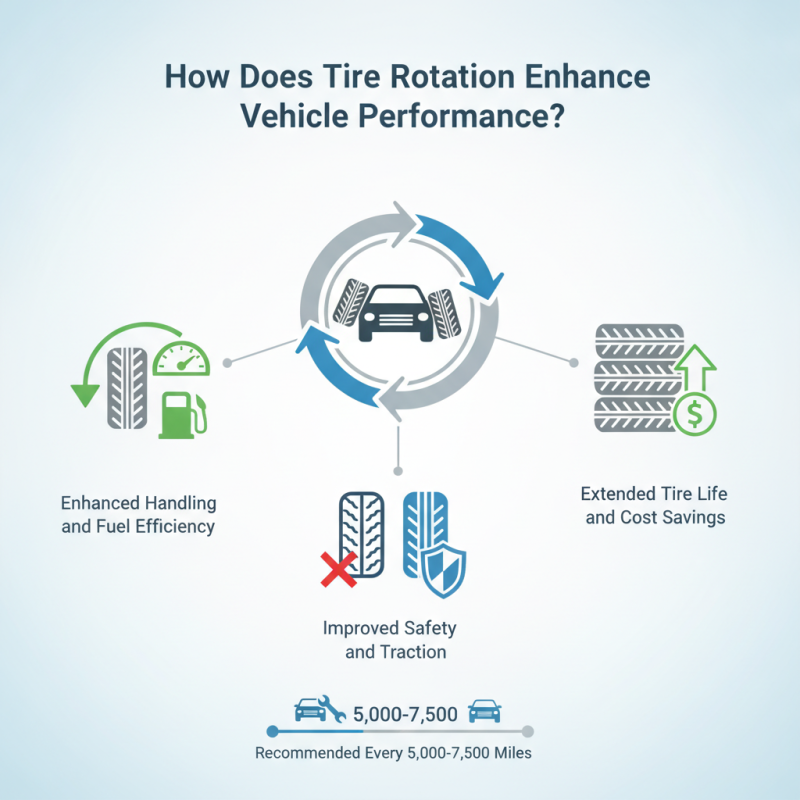
Experts recommend rotating tires every 5,000 to 7,500 miles, depending on vehicle type and driving conditions. However, many drivers overlook this. As a result, they miss out on enhanced handling and fuel efficiency. Ignoring such maintenance can lead to a decline in performance, raising costs in the long run.
Understanding Tire Rotation and Its Importance
Tire rotation is a crucial maintenance task that significantly boosts vehicle performance. Over time, tires wear unevenly due to the vehicle's weight distribution and driving habits. Regularly rotating tires helps ensure even wear, extending their lifespan. This practice optimizes grip and traction, which enhances handling and safety.
The benefits of tire rotation extend beyond increased longevity. Properly rotated tires provide better fuel efficiency. When tires wear evenly, the rolling resistance is minimized, allowing the engine to use less power. This translates to good savings at the pump over time.
It's important to note that many vehicle owners overlook this maintenance task. Skipping tire rotations can lead to poor performance and increased costs. A vehicle that handles poorly or has reduced fuel efficiency can frustrate drivers. Recognizing the significance of tire rotation is essential for any vehicle owner looking to maintain optimal performance.
Types of Tire Rotation Patterns and Their Benefits
When it comes to enhancing vehicle performance, understanding tire rotation patterns is essential. There are several common methods, including front-to-back, cross, and side-to-side rotations. Each pattern serves a unique purpose, catering to various driving styles and tire wear characteristics. A study by the Tire Industry Association reveals that proper rotation can extend tire life by 20% to 25%. This not only saves money but also contributes to safer driving experiences.
The front-to-back rotation pattern is often recommended for vehicles with uniform weight distribution. This method helps even out tread wear due to the heavier load on the front tires. In contrast, the cross pattern addresses uneven wear more effectively, particularly for sporty vehicles with different contact angles. A report from the National Highway Traffic Safety Administration emphasizes that regularly rotated tires provide better traction. However, many drivers overlook this essential maintenance, leading to potential performance issues.
Side-to-side rotation is another option, primarily used for vehicles with different size tires on the front and rear. This technique can help optimize handling and stability. Despite its benefits, some drivers may still resist incorporating tire rotation into their maintenance routine. They often prioritize other maintenance tasks. Ignoring tire rotation can result in reduced performance, decreased fuel efficiency, and even compromised safety on the road.
How Does Tire Rotation Enhance Vehicle Performance?
Effects of Tire Rotation on Vehicle Handling and Stability
Tire rotation plays a crucial role in enhancing vehicle handling and stability. Over time, tires wear unevenly due to varying weight distribution and driving habits. By regularly rotating tires, you ensure that each tire wears at a similar rate. This leads to a more balanced grip on the road, improving traction and response during turns. When all tires maintain similar tread depth, you experience more predictable handling.
Consider a scenario where front tires wear faster due to steering loads. If they are not rotated, the rear tires may not provide enough support, especially during sudden maneuvers. The consequence? Increased risk of skidding or loss of control. Regularly rotating your tires mitigates this risk. However, many drivers overlook this maintenance. It’s easy to forget or underestimate its importance until they feel their vehicle drifting unexpectedly. Prioritizing tire rotation could prevent such surprises.
A well-rotated set of tires contributes to better alignment and balance. This results in smoother rides and improved stability, especially at higher speeds. Neglecting tire rotation can lead to poor performance and unsafe conditions. The best practice is to follow a rotation schedule based on your vehicle’s requirements and driving conditions. Awareness of this simple task can lead to significant improvements in how your vehicle handles on the road.
Impact of Tire Rotation on Tire Lifespan and Fuel Efficiency
Tire rotation plays a crucial role in maintaining vehicle efficiency. When tires are rotated regularly, they wear more evenly. This balanced wear extends the lifespan of each tire, allowing you to get the most out of your investment. Uneven wear can lead to premature tire replacement, costing money and time. Therefore, knowing how often to rotate your tires can significantly impact your overall maintenance budget.
Fuel efficiency also benefits from proper tire rotation. Tires that wear unevenly create more rolling resistance, making your vehicle work harder. This extra effort translates to lower fuel economy. Drivers may notice that rotating tires improves gas mileage. In fact, studies show that good tire maintenance can boost fuel efficiency by 10% or more.
Some drivers might neglect tire rotation, thinking it’s an unnecessary step. This mistake can lead to serious consequences, such as compromised handling and increased stops at the pump. Without regular rotation, you may find yourself faced with higher repair costs. It is essential to integrate tire rotation into your vehicle maintenance routine. Doing so is a simple yet effective way to enhance performance and save money.
Recommended Tire Rotation Frequency for Optimal Performance
Regular tire rotation is crucial for maintaining optimal vehicle performance. It ensures even wear on all tires, which can enhance traction, handling, and fuel efficiency. Generally, experts recommend rotating your tires every 5,000 to 7,500 miles. However, factors like driving habits and road conditions can alter this frequency. Monitoring tire wear is essential.
Tips: Check your tire pressure monthly. Under-inflated tires can wear unevenly. Inspect the tire tread regularly; it should have enough depth for safe performance. Rotate tires at the same time as oil changes for convenience.
A common mistake is delaying tire rotation. Ignoring this maintenance can lead to premature tire wear. Drivers often overlook that front tires can wear faster due to steering loads. It is vital to adjust rotation patterns based on your vehicle type. Performance cars may require more frequent rotations.
Tips: Keep an eye on vibrations or noises while driving. These could indicate uneven wear. Document your tire rotation schedule to stay consistent. This practice helps improve overall vehicle longevity and performance, ensuring a smoother ride.
FAQS
: The most common patterns are front-to-back, cross, and side-to-side. Each has distinct benefits for tire wear.
Tire rotation extends tire life by about 20% to 25%. This saves money and enhances driving safety.
Rotate your tires every 5,000 to 7,500 miles. Driving habits and road conditions may affect this frequency.
Ignoring rotation can lead to premature wear, reduced performance, and compromised safety on the road.
Watch for vibrations or noises while driving. These can indicate uneven wear and a need for rotation.
Yes, it's convenient to rotate tires during oil changes. This ensures you don’t forget maintenance tasks.
Monthly tire pressure checks are important. Under-inflated tires can wear unevenly and affect performance.
No, adjust your rotation pattern based on your vehicle type. Performance cars may require more frequent rotations.
Conclusion
Tire rotation is a crucial maintenance practice that significantly enhances vehicle performance. By understanding the importance of tire rotation, drivers can ensure more uniform tire wear, which directly impacts handling and stability. Different tire rotation patterns can be employed, each offering unique benefits that cater to specific vehicle types and driving conditions. Regular tire rotation not only promotes better vehicle responsiveness but also contributes to improved fuel efficiency and extends the lifespan of tires.
How tire rotation improves vehicle performance is evident in its role in maintaining balanced traction across all four tires, preventing uneven wear, and ensuring safe driving conditions. For optimal benefits, it is recommended that drivers adhere to a consistent tire rotation schedule, ensuring their vehicles remain in peak operating condition while maximizing fuel efficiency and tire life. By prioritizing tire maintenance, vehicle owners can experience enhanced performance and reliability on the road.
 DUS Auto Parts
