DUS Auto Parts DUS Auto Parts

Why Does Tire Quality Matter for Driving Safety?

Time:2026-05-13 Author:Ethan
0%

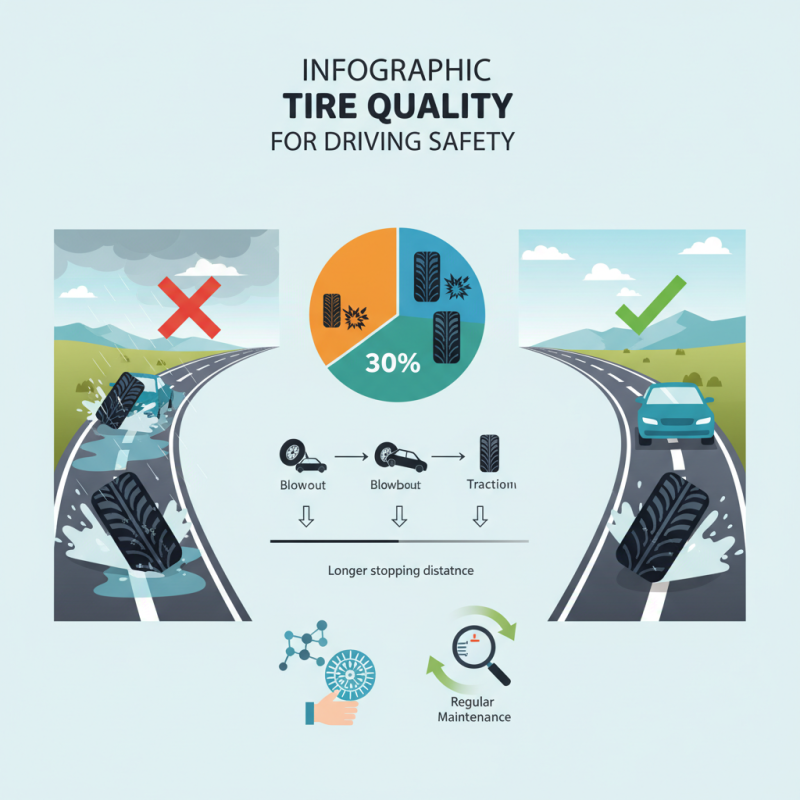
Driving safety is a crucial concern for all motorists. One major factor influencing safety on the road is tire quality. How Tire Quality Impacts Driving Safety cannot be overstated. According to the National Highway Traffic Safety Administration (NHTSA), nearly 30% of accidents are linked to tire-related issues. Poor tire quality can lead to blowouts, reduced traction, and longer stopping distances.

A study by the Rubber Manufacturers Association emphasizes that proper tire maintenance and quality can enhance vehicle performance significantly. Tires engineered with advanced materials provide better grip and resistance to wear, crucial for safe driving. Yet, many drivers overlook the importance of tire condition. They often underestimate how old or damaged tires can affect their control on wet or slippery roads.

Unfortunately, many drivers tend to ignore regular tire checks. This negligence can lead to dangerous situations. For instance, worn tires increase the risk of hydroplaning during heavy rain. The truth is, while it may seem trivial, tire quality is foundational to road safety. By prioritizing tire maintenance, drivers can greatly minimize risks and enhance safety on the road.
Why Does Tire Quality Matter for Driving Safety?

Understanding Tire Quality: The Basics of Tire Construction

Tire quality is crucial for driving safety. At the core of tire quality is its construction. A tire typically consists of various materials, including rubber, fabric, and steel. These components work together to ensure durability and performance. For instance, the Rubber Manufacturers Association states that a high-quality tire can improve traction by up to 30% compared to lower-quality options.

The tread pattern also plays a key role. It affects how well a tire grips the road in different conditions. Studies show that improper tread depth can increase stopping distances significantly. For example, a worn tire may extend braking distances by 20-30%. This raises serious concerns for drivers regarding collision risks.

Moreover, tire pressure is equally important. A properly inflated tire can reduce fuel consumption and enhance handling. The National Highway Traffic Safety Administration reports that nearly 30% of vehicles have at least one under-inflated tire. This common issue can lead to premature tire wear and reduced safety on the road. Reflecting on these factors, it's evident that quality cannot be overlooked when it comes to tires. Proper maintenance and awareness can significantly impact overall driving safety.

The Critical Role of Tire Tread in Maintaining Traction

Tire tread plays a crucial role in maintaining traction on the road. According to the National Highway Traffic Safety Administration (NHTSA), around 30% of tire-related crashes stem from insufficient tread depth. This statistic emphasizes the need for drivers to regularly check their tires. A tire's ability to grip the road is significantly affected by its tread patterns and depth. Tires with worn tread can result in longer stopping distances and reduce overall vehicle control.

Regularly inspect your tire tread using the penny test. Insert a penny into the tread grooves. If you can see the top of Lincoln’s head, it's time to replace your tires. Adequate tread depth is especially critical in wet conditions. Tires with less than 3/32 of an inch tread may struggle to channel water away, increasing the risk of hydroplaning.

Maintaining proper tire pressures also affects tread life and driving safety. Over-inflated or under-inflated tires wear unevenly, leading to compromised traction. The American Tire Manufacturers Association indicates that nearly 50% of vehicles on the road have improperly inflated tires. Check tire pressure monthly. This small step can significantly improve your driving experience and safety on the road.

How Tire Pressure Affects Vehicle Handling and Safety

Tire pressure plays a crucial role in vehicle handling and safety. Properly inflated tires enhance traction, improve fuel efficiency, and provide better control on the road. Low tire pressure can lead to poor handling and increased stopping distances. The vehicle may drift or slide, especially in wet conditions. This is risky for drivers and passengers alike.

**Tips:** Regularly check tire pressure. Use a reliable gauge and do this once a month. It's vital to check when tires are cold for accurate readings. Aim for the recommended pressure found in your vehicle manual.

Underinflated tires can wear unevenly, leading to premature replacement. On the other hand, overinflated tires may burst or lead to loss of grip. This makes driving unpredictable. Adjusting tire pressure is straightforward, yet it's often overlooked.

**Tips:** Always inspect your tires visually for bulges or cracks. Ensure the tread depth is adequate to avoid hydroplaning. Remember, maintaining your tire pressure is not just about performance; it's about safety. Listen to your vehicle; any change in handling should prompt a check-up.

Why Does Tire Quality Matter for Driving Safety?

This chart illustrates the impact of tire pressure on vehicle handling and safety. Maintaining proper tire pressure is crucial for optimal vehicle performance, influencing braking distance, traction, and fuel efficiency.

The Impact of Tire Age and Wear on Driving Performance

Tire age and wear significantly impact driving performance. As tires age, their rubber compounds degrade, reducing grip on the road. According to the National Highway Traffic Safety Administration (NHTSA), tires over six years old can have compromised safety. Many drivers overlook this fact. A study revealed that 25% of tire-related crashes are linked to improper tire maintenance.

Worn tires change handling characteristics. Their tread depth affects traction, especially in wet conditions. The American Tire Dealers Association states that a tire should have at least 2/32 of an inch of tread remaining for safe driving. Drivers should regularly inspect tread depth. Ignoring this detail can lead to hydroplaning and increased stopping distances.

It's not just age that matters; overall tire wear needs attention. Uneven wear can signal alignment or suspension issues. Experts recommend rotating tires every 6,000 to 8,000 miles to promote even wear. However, many drivers miss this crucial step. This oversight can lead to unexpected tire failure. Staying aware of tire conditions is essential for safety and performance.

Choosing the Right Tires: Factors to Consider for Safety

When it comes to driving safety, choosing the right tires is crucial. Tire quality directly affects your vehicle’s performance on the road. Factors like tread depth, material composition, and weather suitability play significant roles. High-quality tires offer better traction and can reduce braking distances, especially in wet or slippery conditions.

Consider these tips when selecting tires. Pay attention to tread patterns. A more aggressive tread design often provides better grip. For wet weather, look for tires with deeper grooves. Always check the tire’s load rating to ensure they can handle your vehicle's weight. Regularly inspecting tire pressure can also enhance safety.

It’s important to reflect on your driving habits. If you often drive in harsh conditions, you may need tires that can withstand those challenges. Remember that worn-out tires may look fine but can be deceptive. Before making a purchase, consult with experts to understand what suits your needs best.

Why Does Tire Quality Matter for Driving Safety?

Tire Type Tread Life (miles) Wet Grip Rating Road Noise Level (dB) Price ($)
All-Season Tire 60,000 B 68 100
Performance Tire 30,000 A 72 150
Winter Tire 40,000 A 70 120
Off-Road Tire 50,000 C 75 130
Eco Tire 70,000 B 65 110

FAQS

: Why is tire quality important for driving safety?

: Tire quality influences durability and performance. A good tire improves traction by up to 30%.

How does tread depth affect driving?

Insufficient tread depth can increase stopping distances by 20-30%. This raises collision risk significantly.

What can happen with poorly inflated tires?

Nearly 30% of vehicles have at least one under-inflated tire. This can lead to premature wear and decreased safety.

How can I check my tire tread depth?

Use the penny test. Insert a penny into the tread grooves, Lincoln's head should not be visible.

What is the minimum tread depth for safety?

Tires should have at least 2/32 of an inch of tread. Less tread increases hydroplaning risk.

How does tire age affect performance?

Tires older than six years may compromise safety. Many drivers neglect this critical factor.

What are the consequences of uneven tire wear?

Uneven wear can indicate alignment or suspension problems. It may also lead to unexpected tire failures.

How often should I rotate my tires?

Tires should be rotated every 6,000 to 8,000 miles. Many drivers overlook this important maintenance step.

What can I do to maintain proper tire pressure?

Check your tire pressure monthly. Proper inflation improves tread life and driving safety.

What risks are associated with worn tires?

Worn tires change handling and increase stopping distances. Regular inspection is vital for safety.

Conclusion

Tire quality is a crucial aspect of driving safety, as it directly influences vehicle performance and handling. Understanding the basics of tire construction helps drivers appreciate the importance of using high-quality tires. The tread design plays a critical role in maintaining traction, especially in adverse weather conditions, while appropriate tire pressure is essential for optimal vehicle handling and stability.

Additionally, the age and wear of tires can significantly impact driving performance, making regular inspections and timely replacements vital for safety. When selecting tires, one should consider various factors, including driving conditions and vehicle specifications. Overall, understanding how tire quality impacts driving safety can help ensure a safer driving experience, reducing the risk of accidents caused by tire-related issues.

Ethan

Ethan

Ethan is a seasoned marketing professional with a deep expertise in our company's innovative product line. With a passion for sharing knowledge and insights, he takes the lead in regularly updating our corporate blog, where he explores industry trends, product features, and effective marketing......