DUS Auto Parts
Welcome to the "Beginner Guide to Tire Maintenance." As a new car owner, understanding tire care is essential. Overlooking tire maintenance can lead to safety risks and costly repairs.
Tire expert John R. Miles states, "A well-maintained tire is a key to safe driving." His insights remind us that tire upkeep impacts performance and safety. Regular checks can prevent unexpected blowouts or poor traction.
New owners should learn basic tips. Check tire pressure monthly, ensuring optimal fuel efficiency and safety. Inspect tread depth frequently to gauge wear. Remember, tires are the only contact between your vehicle and the road. Neglecting them could lead to deeper issues. This guide aims to equip you with essential knowledge for effective tire maintenance. Embrace the responsibility, and it will pay off in the long run.
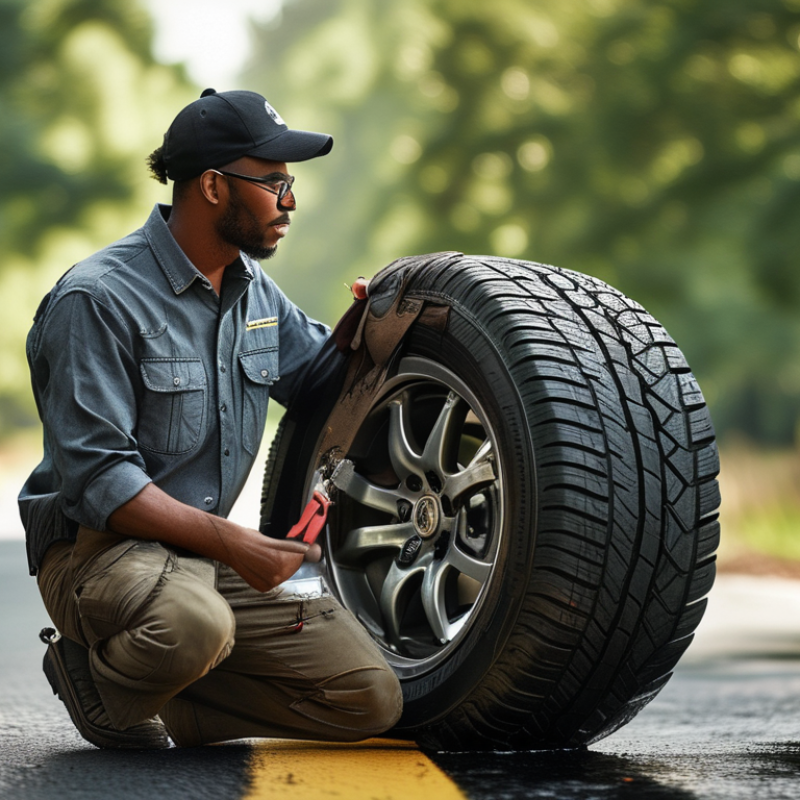
Understanding the basics of tire maintenance is essential for every new car owner. Tires are the only point of contact between your vehicle and the road. Proper care can enhance performance and safety. Consider checking tire pressure regularly. Underinflated tires can cause poor handling and increased fuel consumption. Conversely, overinflated tires might lead to uneven tread wear and a rough ride.
Tire tread depth is another crucial aspect. Worn-out tires can compromise your safety. A simple way to check tread depth is using a penny. Insert the penny into the tread. If you see the entire coin, it’s time to replace the tire. Visual inspections can also reveal issues. Look for cracks, blisters, or objects lodged in the tread. These can lead to bigger problems if ignored.
Balancing and rotating your tires help them wear evenly. This practice can extend their lifespan. Many people forget to do this and then face unexpected costs. Keeping a maintenance schedule can help prevent oversights. Regular check-ups can ensure you drive safely. Embrace these tasks, and your tires will serve you well.
Maintaining your tires is crucial for safety and longevity. Having the right tools makes this task easier and more effective. A reliable tire pressure gauge is essential. It ensures your tires are inflated to the correct level. This simple tool can prevent uneven wear and improve fuel efficiency.
A good tire jack is another vital tool. It allows you to change a flat tire safely. Always choose a jack with a stable base. This will reduce the risk of accidents. A lug wrench is necessary for loosening and tightening the lug nuts. Make sure it fits your car’s needs.
Regularly rotating your tires is an important practice. It promotes even wear and extends their lifespan. Check the tread depth frequently. When it gets low, it’s time to replace the tires. Remember, driving on worn tires can compromise your safety. Engage in these practices for better performance and a smoother ride.
Maintaining proper tire pressure is crucial for new car owners. Studies indicate that approximately 75% of cars have incorrectly inflated tires. Inadequate tire pressure can lead to reduced fuel efficiency and increased tire wear. The National Highway Traffic Safety Administration (NHTSA) reports that maintaining recommended tire pressure can improve fuel economy by about 3%, saving money in the long run.
Checking tire pressure is straightforward. Use a reliable tire pressure gauge, which can be digital or analog. First, remove the valve cap from one tire. Press the gauge onto the valve stem firmly. Record the reading and compare it with the manufacturer’s recommended pressure. This information is typically found in the owner’s manual or on a sticker inside the driver’s door frame.
Remember that tire pressure fluctuates with temperature changes. For every 10°F drop in temperature, tire pressure decreases by 1 psi. Regular checks are vital, especially during seasonal changes. New car owners often overlook this routine, yet neglecting it can lead to dangerous driving conditions. Taking a few minutes each month for tire maintenance can prevent costly repairs and ensure safety on the road.
Inspecting tires for wear and damage is crucial for safety. Regular checks help avoid accidents. Start by examining the tread depth. A penny test can be helpful. Insert a penny into the tread. If you see all of Lincoln's head, it's time for new tires. This simple check can reveal a lot about how much grip your tires still offer.
Next, look for visible damage on the tire's surface. Check for cuts, cracks, or any bulges. These signs often indicate that the tire is compromised. Pay attention to any irregular wear patterns as well. Uneven wear may suggest alignment issues. If you notice more wear on one side, it's worth having a professional inspection. The more proactive you are, the safer your drive will be.
It's easy to overlook tire maintenance when you're busy. However, regularly inspecting your tires can save you money in the long run. It can also help you avoid serious accidents. Taking a few moments to check your tires might reveal unpleasant truths, but facing those issues now can lead to a much safer experience on the road.
Proper tire rotation and alignment are crucial for every car owner. Regular tire rotation helps distribute wear evenly across all tires. Generally, it’s recommended to rotate tires every 5,000 to 7,500 miles. However, this can vary based on driving habits. If you're frequently on rough roads, you might need rotations more often. Neglecting this can lead to uneven tread wear, causing premature tire replacement.
Alignment is equally important. Misalignment can cause your car to pull to one side, affecting handling and safety. Signs of misalignment include uneven tire wear and a crooked steering wheel. Getting an alignment check every couple of years is a good practice, especially after hitting a pothole or curb. Even with routine checks, it can be hard to catch issues early.
It’s easy to overlook some of these aspects. You might assume everything is fine until it’s too late. Always inspect your tires and keep an eye out for changes in performance. Small adjustments can make a big difference over time. Being proactive about your tire care not only enhances safety but also promotes better fuel efficiency.
| Maintenance Task | Frequency | Notes |
|---|---|---|
| Tire Rotation | Every 5,000 to 8,000 miles | Helps to ensure even wear and prolongs tire life. |
| Tire Alignment | Every 6 months or when needed | Improves handling and prevents uneven tire wear. |
| Tire Pressure Check | Monthly | Ensure tires are inflated to the manufacturer's specification. |
| Tread Depth Inspection | Every 3 months | Use a penny to check tread depths, replace if less than 2/32". |
| Visual Inspection | Monthly | Check for cracks, bulges, or foreign objects. |
: Tire maintenance ensures safety and extends tire longevity. Proper care can also improve fuel efficiency.
A reliable tire pressure gauge is essential. It helps maintain correct inflation levels.
Tires should be rotated every 5,000 to 7,500 miles. This varies based on your driving habits.
The penny test checks tread depth. If Lincoln's head is fully visible, new tires are needed.
Look for cuts, cracks, and bulges on the surface. Irregular wear patterns may suggest alignment issues.
Misalignment may cause uneven tire wear and a crooked steering wheel. Regular checks can catch these issues.
Yes, neglecting tire maintenance can lead to premature replacement and safety risks.
Uneven wear suggests potential alignment problems. Consider getting a professional inspection.
Yes, regular inspections can prevent accidents and save money on premature tire replacements.
Stay proactive in monitoring tire conditions regularly. Small adjustments can prevent larger issues later.
The "Beginner Guide to Tire Maintenance" provides essential insights for new car owners to ensure their tires remain in optimal condition. The guide begins with an overview of tire basics, emphasizing the importance of understanding tire types, specifications, and their roles in vehicle performance. It then introduces essential tools that every car owner should have for effective tire maintenance, making the process more accessible.
Following the tools, the article outlines a step-by-step guide for checking tire pressure, which is crucial for safe driving. Additionally, it details how to inspect tires for wear and damage, helping owners recognize when it’s time for replacements. Finally, the guide covers best practices for tire rotation and alignment to promote even wear and extend the lifespan of tires. This comprehensive approach equips new car owners with the knowledge needed to maintain their vehicle's tires confidently.
