DUS Auto Parts DUS Auto Parts

Why Tire Maintenance Matters for Better Fuel Efficiency?

Time:2026-06-04 Author:Ethan
0%

Tire maintenance is vital for optimal fuel efficiency. Neglecting your tires can lead to increased fuel costs and reduced vehicle performance. Properly maintained tires enhance traction and improve handling, which can save you money at the pump.

When considering fuel efficiency tips related to tire maintenance, it's important to check tire pressure regularly. Under-inflated tires increase rolling resistance. This means your engine works harder, consuming more fuel. Regularly inspecting tread depth is another key practice. Worn tires not only decrease performance but can also compromise safety.

Balancing and aligning wheels can further enhance fuel efficiency. Misalignment can cause uneven wear and slow down your car. These minor details matter greatly in boosting overall fuel economy. By focusing on these tips, you can not only ensure a smoother ride but also reflect on your driving habits. A small change can lead to significant savings over time.
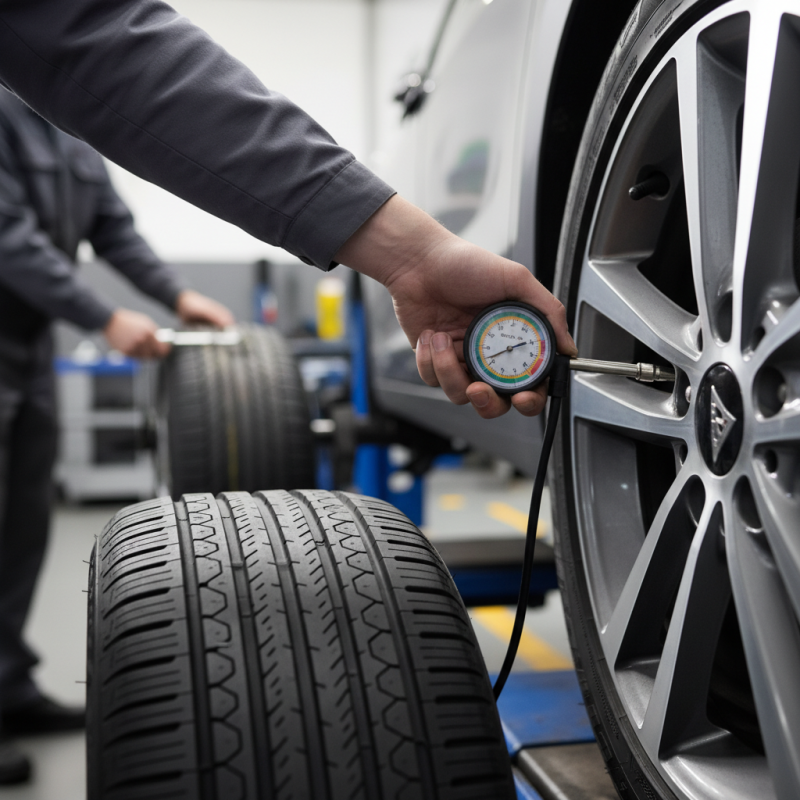
Why Tire Maintenance Matters for Better Fuel Efficiency?

Importance of Proper Tire Maintenance for Vehicle Performance

Tire maintenance plays a crucial role in vehicle performance. Properly maintained tires improve fuel efficiency. When tires are under-inflated, they create more rolling resistance. This means your engine has to work harder, leading to increased fuel consumption. Regular checks can prevent this issue. A simple inspection can save money on fuel.

Tips for effective tire maintenance include checking tire pressure monthly. Use a reliable gauge to ensure accuracy. Keep an eye on tread depth. Worn tires reduce traction and make driving dangerous. Rotate your tires every 5,000 to 7,500 miles to ensure even wear.

Consider seasonal changes too. Hot weather can increase tire pressure, while cold weather can decrease it. Adjust your tire pressure accordingly. Neglecting these aspects can lead to poor handling and unexpected blowouts. Staying proactive in tire care leads to safer, more efficient driving experiences.

Why Tire Maintenance Matters for Better Fuel Efficiency

Tire Type Optimal Pressure (PSI) Tread Depth (32nds of an inch) Fuel Efficiency Impact (%) Maintenance Frequency (Months)
All-Season Tires 32 8 10 6
Performance Tires 34 6 15 4
Off-Road Tires 30 10 20 12
Eco-Friendly Tires 30 8 12 5

Impact of Tire Pressure on Fuel Efficiency

Maintaining proper tire pressure is crucial for optimizing fuel efficiency. According to the U.S. Department of Energy, under-inflated tires can increase fuel consumption by up to 3%. This might seem small, but for the average driver, it can lead to wasting over $100 per year on fuel.

Tires naturally lose air due to temperature changes and normal wear. Many drivers overlook this aspect of vehicle maintenance. Checking tire pressure regularly ensures optimal performance and prolongs tire life. A study from the National Highway Traffic Safety Administration found that maintaining the recommended tire pressure can improve fuel efficiency by as much as 10%. This is not just about saving money; it's also about reducing environmental impact.

However, many people tend to ignore tire checks until a problem arises. Awareness and education are essential. A flat tire or severe wear can lead to compromised safety. Regularly assessing tire pressure and condition is a practice that deserves attention. It’s a small effort that can produce significant benefits in fuel efficiency and safety.

Effects of Tire Tread Depth on Fuel Consumption

Tire tread depth significantly impacts fuel consumption. Tires with adequate tread provide better traction. This, in turn, enhances vehicle control and safety. When the tread wears down, the car has to work harder. This increased effort translates to higher fuel usage.

Regularly checking tire tread depth is vital for efficiency. A worn tire can lead to a 10% increase in fuel consumption. Drivers may not realize the difference until facing rising gas costs. It's easy to overlook, but those shallow treads could be draining your wallet.

Maintaining proper tread depth isn't just about performance. It’s about responsibility and safety. Many overlook this simple maintenance task. This negligence can have long-term effects on fuel economy and vehicle lifespan. Failing to monitor tire health is a common pitfall. Making small adjustments can yield significant savings.

Role of Regular Tire Rotations in Maintaining Efficiency

Regular tire rotations play a crucial role in maintaining vehicle fuel efficiency. The U.S. Department of Energy states that properly inflated and maintained tires can improve fuel efficiency by up to 3%. Neglecting tire maintenance can lead to uneven wear, increasing rolling resistance and lowering overall efficiency.

Many drivers overlook tire rotation schedules, often extending them far beyond the recommended mileage. It’s advisable to rotate tires every 5,000 to 8,000 miles, as uneven wear can significantly impact fuel consumption. Research shows that unevenly worn tires can reduce fuel efficiency by up to 10%. This is a stark reminder that neglecting one simple maintenance task can result in higher fuel costs.

Furthermore, a study from the American Automobile Association found that low tire pressure can decrease a vehicle's fuel economy by 0.2% for every 1 PSI drop in the average pressure of all tires. Drivers must regularly check tire pressure and schedule rotations. After all, even small adjustments in tire maintenance can yield substantial savings at the pump, making a compelling case for diligence and awareness in tire care.

Impact of Tire Maintenance on Fuel Efficiency

This chart illustrates the correlation between regular tire rotations and fuel efficiency based on average miles per gallon (MPG) performance over time. Maintaining tire health through regular rotations can lead to significant improvements in fuel efficiency.

Consequences of Neglected Tire Maintenance on Overall Fuel Costs

Neglected tire maintenance can significantly impact overall fuel costs. Research indicates that under-inflated tires can decrease fuel efficiency by up to 3%. When tires are not properly inflated, they create more rolling resistance. This forces the engine to work harder, using more fuel. Regularly checking tire pressure is essential. Yet, many drivers overlook this simple task.

Tread depth also plays a critical role. Tires that are worn down can lead to unsafe driving conditions and increase fuel consumption. A study found that tires with less than 2/32 inches of tread can decrease efficiency by 4%. Drivers should inspect their tires monthly. Failures in this area often result in higher spending at the pump.

In addition, tire rotation and alignment are often ignored. Misalignment can lead to uneven wear and increased drag. This can further reduce fuel efficiency. Drivers should follow a recommended schedule for rotation and alignment. Despite this, many neglect these essential actions, resulting in potentially hundreds of dollars wasted annually. Recognizing these issues is a step toward better fuel economy.

FAQS

: How often should I check my tire pressure?

: Check your tire pressure monthly for optimal performance.

What happens if my tires are under-inflated?

Under-inflated tires increase rolling resistance, leading to higher fuel consumption.

Why is tire tread depth important?

Adequate tread depth ensures better traction and safety while driving.

How much can worn tires increase fuel consumption?

Worn tires can lead to a 10% increase in fuel consumption.

What are the risks of neglecting tire maintenance?

Neglect can result in poor handling, blowouts, and increased fuel costs.

Should I rotate my tires, and if so, how often?

Yes, rotate your tires every 5,000 to 7,500 miles for even wear.

How do seasonal changes affect tire pressure?

Hot weather can increase pressure, while cold weather can decrease it.

What’s a common pitfall regarding tire maintenance?

Many drivers overlook regular inspections, leading to higher fuel costs.

How can misalignment affect tire performance?

Misalignment causes uneven wear and increases drag, reducing efficiency.

What small actions can lead to significant savings?

Regular checks and maintenance can greatly improve fuel economy and safety.

Conclusion

Proper tire maintenance plays a crucial role in enhancing vehicle performance and achieving better fuel efficiency. This involves regularly checking tire pressure, as under-inflated tires can significantly increase fuel consumption due to higher rolling resistance. Additionally, maintaining adequate tire tread depth is essential; worn tires can compromise grip and stability, leading to inefficient driving and greater fuel usage.

Regular tire rotations also contribute to balanced tire wear, ensuring that all tires function optimally, which further supports fuel efficiency. Neglecting tire maintenance can result in increased fuel costs over time, as inefficient tires demand more energy to maintain speed. By following fuel efficiency tips related to tire maintenance, drivers can optimize their vehicle’s performance while minimizing fuel expenses.

Ethan

Ethan

Ethan is a seasoned marketing professional with a deep expertise in our company's innovative product line. With a passion for sharing knowledge and insights, he takes the lead in regularly updating our corporate blog, where he explores industry trends, product features, and effective marketing......