DUS Auto Parts DUS Auto Parts

Top 10 Signs of Early Tire Damage You Should Never Ignore?

Time:2026-08-05 Author:Amelia
0%

Tires are a crucial component of vehicle safety and performance. Regular maintenance can help ensure your tires remain in good condition. However, neglecting early signs of tire damage can lead to serious issues. Knowing how to detect early tire damage is essential for all drivers.

Many factors contribute to tire wear and tear, including road conditions and driving habits. Drivers often overlook small signs of trouble. These signs may seem insignificant at first but can lead to significant hazards if ignored. For example, a small bulge on the tire wall may appear harmless, yet it can indicate internal damage.

Identifying early tire damage can save you from unexpected accidents and costly repairs. Take time to inspect your tires regularly. Look for cracks, punctures, or unusual wear patterns. Addressing these issues promptly enhances your safety on the road. Remember, preventive measures are more effective than reactive ones.
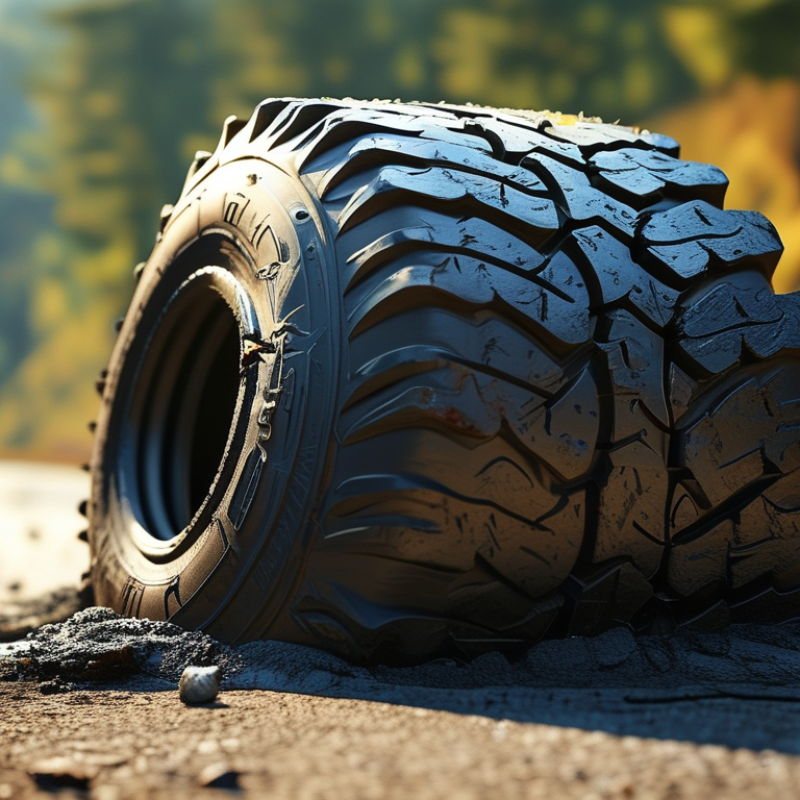
Top 10 Signs of Early Tire Damage You Should Never Ignore?

Signs of Uneven Tire Wear: Causes and Implications

Uneven tire wear is a pressing issue that drivers should not overlook. It often signals underlying problems that could compromise vehicle safety. According to the Tire Industry Association, approximately 30% of tires on the road show signs of uneven wear. This situation can lead to decreased traction, fuel efficiency, and increased risk of blowouts.

Common causes of uneven tire wear include misalignment, improper inflation, and worn suspension components. For instance, if a tire's pressure drops below the recommended level, the outer edges may wear faster. Regularly checking tire pressure is crucial. Industry studies indicate that maintaining proper tire inflation can enhance fuel economy by up to 3%.

Tips: Inspect tires for cracks or bulges regularly. Look for discrepancies in tread depth across the tire. Rotating tires every 5,000 to 7,500 miles can also promote even wear. Remember, neglected tire issues can lead to costly repairs or accidents down the line. Being proactive can save time and money.

Understanding Sidewall Cracks: What They Indicate About Tire Health

Sidewall cracks are a serious indicator of tire health. These cracks can develop due to various factors, including age, temperature changes, and improper inflation. According to industry reports, about 25% of tire failures are linked to sidewall damage. Ignoring these signs can lead to dangerous blowouts. It's essential to regularly inspect your tires for any visible signs of wear and tear.

A common cause of sidewall cracks is underinflation. When tires lack proper air pressure, they flex more than intended, leading to rapid wear. A study by the Rubber Manufacturers Association states that properly inflated tires can improve fuel efficiency by 3.3%, making it crucial to monitor tire pressure frequently. Always use a reliable gauge to check your tire inflation.

Tips: Regularly check for sidewall cracks. Even small cracks can signal a larger issue. Replace tires that show significant damage. Proper maintenance extends tire life. Ensure that you rotate your tires regularly. This practice helps in even wear and enhances safety on the road. Consider professional inspections for peace of mind.

How Tread Depth Affects Traction and Safety: The Importance of Measurement

Tread depth plays a crucial role in your vehicle's traction and overall safety. Proper measurement ensures you maintain a consistent grip on the road. When the tread wears down, the risk of hydroplaning or losing control during wet conditions increases significantly. A tire with insufficient tread depth can lead to longer stopping distances. This is critical during emergencies.

It's important to regularly check your tire tread. Use a simple penny test: insert a penny into the tread groove. If you can see above Lincoln's head, it’s time to replace those tires. It's a straightforward method that can prevent dangerous situations. Always be aware of uneven wear patterns. This can indicate alignment issues or problems with suspension. Addressing these may help prolong tire life.

Consider rotating your tires every 5,000 to 8,000 miles. This practice promotes even wear. Pay attention to the tires after a long journey. Look for any bulges or cracks on the sidewalls. These signs can be warnings of potential failure. Ignoring them may lead to unexpected blowouts. Regular maintenance is essential for tire health and safety.

Recognizing Bulges and Blisters: Indicators of Internal Tire Damage

Recognizing bulges and blisters on tires is crucial for safe driving. These formations can indicate serious internal damage that often goes unnoticed. A report from the National Highway Traffic Safety Administration (NHTSA) indicates that improperly maintained tires contribute to over 30% of road accidents. Small bulges may seem harmless but can lead to tire blowouts, especially at high speeds.

Bulges typically form due to impact damage or manufacturing defects. They signify weakened tire structure and increased risk of failure. Blisters occur when air gets trapped between layers of the tire material, indicating potential separation. Regularly inspecting your tires can help identify these issues early. A tire with a bulge may lose pressure more quickly and can fail unexpectedly.

Research shows that nearly 15% of drivers do not check their tire health regularly. Simple visual inspections can save lives. Look for uneven wear, cracks, or bubbles on the sidewall. Understanding the implications of these signs can lead to safer driving. Tire maintenance does require effort, but it is an investment in safety. Without it, drivers risk more than just a flat tire; they risk lives on the road.

Top 10 Signs of Early Tire Damage You Should Never Ignore

This chart illustrates the frequency of common signs of early tire damage, highlighting the importance of recognizing symptoms like bulges and blisters.

Monitoring Vibration and Noise: Early Warning Signs of Tire Issues

Tires are critical for vehicle safety and performance. Monitoring vibrations and noise can reveal early signs of tire damage. According to the Tire Industry Association, 25% of tire-related accidents arise from improper maintenance. Recognizing these issues early can prevent serious consequences.

Vibrations often indicate uneven wear or structural damage. If you feel constant shuddering while driving, take action immediately. Noise can also be a telltale sign. A loud rumble or humming sounds could mean your tires are approaching failure. Research indicates that tires lose 1-2 PSI of pressure per month, which can exacerbate these issues.

Tips: Regularly check tire pressure and tread depth. Uneven tread wear can signal alignment problems. Seek professional help if you notice any irregularities. Keeping an ear out for unusual noises and feeling vibrations during drives can be lifesaving. Addressing these signs promptly may save you from more significant repairs or accidents later on.

Top 10 Signs of Early Tire Damage You Should Never Ignore

Sign Description Severity Level Action Required
Uneven Tread Wear The tread wears unevenly across the tire surface. High Check alignment and rotate tires.
Cracks in Sidewall Visible cracks or cuts on the tire's sidewall. Critical Replace tire immediately.
Bulges or Blisters Bumps on the tire surface indicating internal damage. Critical Replace tire immediately.
Punctures Holes made by sharp objects, compromising tire integrity. Moderate Evaluate repair or replacement.
Excessive Vibration Unusual shaking felt while driving. High Get tires inspected by a professional.
Noise When Driving Loud sounds emanating from tires during travel. Moderate Have tires checked for damage.
Low Tire Pressure Consistently lower air pressure than recommended. Medium Regularly check and inflate tires.
Balancing Issues Tires are not balanced properly, causing vibrations. Moderate Get tires balanced by a professional.
Overheating Tires feel excessively hot during or after driving. High Stop driving and check cooling systems.
Frequent Blowouts Repeated tire blowouts indicate serious issues. Critical Replace tires and inspect driving conditions.

FAQS

: Why is tread depth important for vehicle safety?

: Tread depth affects traction and reduces hydroplaning risks during wet conditions.

How can I check my tire tread depth?

Use the penny test. Insert a penny into the tread groove. If Lincoln's head is visible, replace the tires.

What does uneven tire wear indicate?

Uneven wear suggests alignment issues or suspension problems. Addressing these can extend tire life.

How often should I rotate my tires?

Rotate tires every 5,000 to 8,000 miles for even wear. This promotes better overall performance.

What signs should I look for after a long drive?

Check for bulges or cracks on the sidewalls. These can signal potential tire failure.

What do bulges and blisters on tires mean?

Bulges indicate internal damage and weakness. Blisters suggest air trapped in tire layers, leading to danger.

Why do many drivers neglect tire checks?

Research shows nearly 15% of drivers skip regular inspections. Simple checks can prevent accidents.

How do I maintain my tires for safety?

Inspect tires regularly for wear, cracks, and bubbles. Maintaining tires is vital for safe driving.

What happens if I ignore tire health?

Ignoring tire issues can lead to blowouts and accidents. It risks lives beyond just flat tires.

Is tire maintenance worth the effort?

Yes, regular maintenance is an investment in safety. It requires effort but pays off in protection.

Conclusion

Proper tire maintenance is crucial for ensuring vehicle safety and performance. Understanding how to detect early tire damage can save you from costly repairs and potential accidents. Key signs of uneven tire wear are significant indicators of misalignment, improper inflation, or suspension issues, which can lead to decreased stability. Additionally, sidewall cracks may signify aging rubber or impact damage, while inadequate tread depth drastically affects traction, especially in wet conditions.

Monitoring for bulges and blisters on the tire surfaces can reveal internal damage that could lead to blowouts. Lastly, any unusual vibrations or noises while driving should never be ignored, as they often point to underlying tire problems. Regularly inspecting your tires using these signs will help ensure their longevity and maintain the safety of your vehicle on the road.

Amelia

Amelia

Amelia is a seasoned marketing professional with a wealth of expertise in our company’s core offerings. With an unwavering passion for driving growth and innovation, she plays a pivotal role in shaping our marketing strategies and enhancing brand visibility. A key aspect of her responsibilities......