DUS Auto Parts DUS Auto Parts

How To Prevent Tire Damage On Rough Roads Effectively?

Time:2026-07-06 Author:Isabella
0%

Navigating rough roads poses significant challenges for tire integrity. According to a report by the Tire Industry Association, up to 30% of tire damage occurs due to poor road conditions. Understanding how to prevent tire damage on rough roads is crucial for vehicle owners and fleet managers alike.

Expert John Smith, a recognized authority in automotive engineering, emphasizes that "tire maintenance is as vital as the pavement itself." His insights highlight the importance of regular tire inspections and proper inflation. Inadequate tire pressure can exacerbate wear and lead to blowouts on uneven surfaces.

Addressing tire damage effectively requires a multi-faceted approach. Monitoring road conditions and adapting driving habits can mitigate risks. While many drivers believe they can handle any terrain, frequent travel on unpaved roads increases the likelihood of hidden wear. Taking proactive measures can lead to safer journeys and longer tire life.
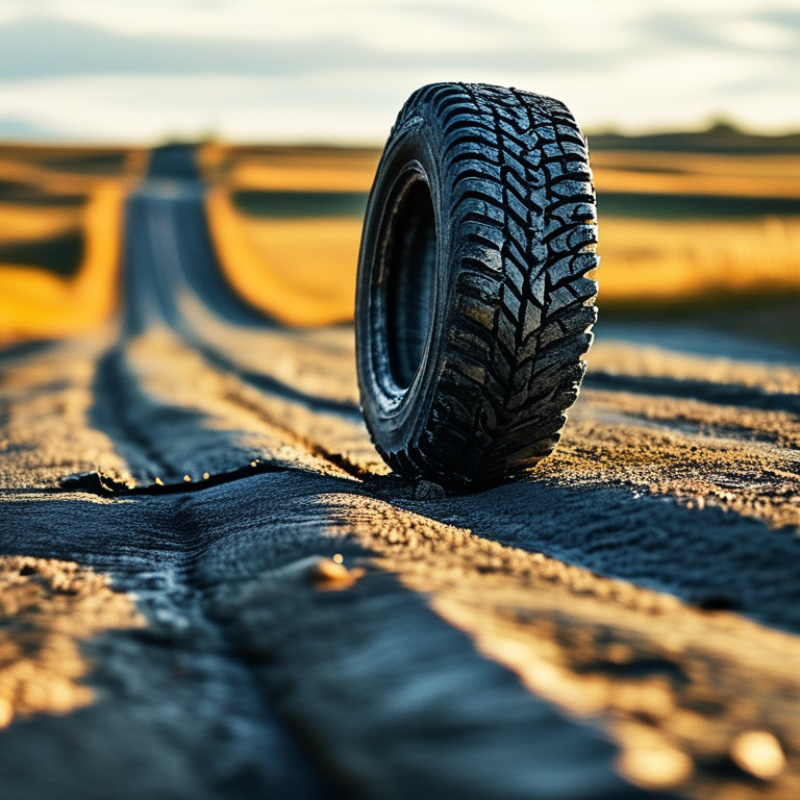
How To Prevent Tire Damage On Rough Roads Effectively?

Understanding Tire Damage: Types and Causes on Rough Roads

Rough roads can be treacherous for tires. Various types of tire damage occur due to the harsh conditions. Punctures and cuts are common when tires encounter sharp rocks or debris. These injuries can lead to slow leaks, reducing tire performance over time.
Sidewall bulges also happen when tires hit deep potholes, which can compromise their integrity.

Tires experience wear differently on rugged surfaces. Over time, uneven tread wear is noticeable. This results from constantly navigating bumpy terrain. Additionally, excessive heat buildup occurs due to increased friction. This heat can degrade tire materials, shortening their lifespan. Drivers may overlook signs of damage until it’s too late. Regular inspections can help in catching small issues early.

Understanding these potential risks is crucial. Tire pressure plays a key role in preventing damage. Under-inflated tires can be more vulnerable to impacts. Conversely, over-inflated tires risk blowouts. Drivers should adjust tire pressure according to the terrain. Monitoring these variables is an essential step. Being proactive can save both money and hassle later on.

Essential Tire Specifications for Off-Road Conditions and Durability

When driving on rough roads, the right tire specifications are crucial. Choose tires designed for off-road conditions. Look for features like deep treads and reinforced sidewalls. These designs help resist punctures and enhance traction on uneven surfaces. A larger tire diameter can also improve ground clearance. This is particularly important for tackling rocks, mud, and ruts.

Consider the tire's load rating as well. A higher load capacity ensures that the tires can handle not just the vehicle's weight, but also additional stress from rough terrain. It’s vital to match the tire specifications to the vehicle's intended use. Relying on general knowledge can lead to mistakes. Every off-road adventure is unique, and not all tires will perform equally well.

Regularly inspect your tires for wear and tear. This can prevent bigger issues down the line. Be aware that even the best tires can fail under extreme conditions. No tire is perfect. Understanding tire limitations is key to avoiding damage and ensuring safety.

Techniques for Maintaining Tire Pressure on Uneven Surfaces

Maintaining optimal tire pressure is crucial, especially on uneven and rough surfaces. According to industry reports, tires with inadequate pressure can suffer damage easily. The proper inflation can increase tire life by up to 20%. Monitoring tire pressure regularly is an effective way to prevent issues.

On uneven roads, the risk of tire punctures increases significantly. When driving on these surfaces, it’s essential to check tire pressure before and after your journey. A daily inspection can help. Pay attention to the pressure specifications provided by manufacturers. Using a reliable pressure gauge can make a difference.

Tips: Inflate tires to the recommended pressure. Under-inflated tires wear unevenly and can overheat. Consider investing in a portable air compressor for emergencies. Always remember, not all gauges are accurate. Regularly calibrate your equipment to ensure reliability.

Staying alert for signs of wear is also vital. Look for cracks, bumps, or bulges on the tire sidewalls. These can signal deeper issues. Proper pressure management extends tire life, but neglect can lead to costly replacements. Being proactive creates safer driving experiences.

Effective Solutions to Minimize Tire Wear from Road Hazards

Rough roads can be a nightmare for your tires. To minimize tire wear from road hazards, start by regularly inspecting your tires. Check for any visible damage, such as cuts or bulges. Keep an eye on your tire pressure. Low pressure increases your risk of blowouts on rough terrain. Use a reliable gauge to ensure you're within the optimal range.


Another effective solution is tire rotation and alignment. Misalignment can cause uneven wear, especially on uneven surfaces. Following the manufacturer's guidelines for rotation helps prolong the life of your tires. Also, consider selecting tires designed for off-road durability. They may cost a bit more but can save you money long-term.


Be cautious with your driving habits. Avoid sudden stops or sharp turns when possible. Hitting a pothole or curb can do significant damage. It’s wise to adjust your speed based on road conditions. This simple practice can significantly reduce the risk of tire damage. Road hazards are unpredictable, but with careful planning and attention, you can minimize their impact on your tires.

Regular Tire Inspections: Key Practices for Preventive Maintenance

Regular tire inspections are crucial for safe driving, especially on rough roads. Tires face significant stress and wear on uneven surfaces. By routinely checking tire condition, vehicle owners can spot issues early. This proactive approach can prevent costly repairs and accidents.

One tip is to monitor tire pressure regularly. Under-inflated tires can lead to uneven wear. This can cause blowouts and make handling more difficult. A simple pressure gauge can help you keep track. Make this a monthly habit.

Another important aspect is checking the tread depth. Insufficient tread can compromise grip on wet or rough roads. Use a coin to measure tread wear; if the coin disappears, it’s time for a change. This method is quick and effective.

Be aware of visible damage, like cracks or bulges. These can indicate underlying issues that may worsen over time. If you spot any, consult a professional for guidance. Regular checks not only extend tire life but also enhance overall vehicle safety.

FAQS

: Why is maintaining tire pressure important?

: Proper tire pressure can increase tire life by up to 20%. It prevents damage on rough surfaces.

How often should I check my tire pressure?

Check tire pressure before and after journeys. A daily inspection is recommended for safety.

What tools do I need for tire pressure maintenance?

Use a reliable pressure gauge. Consider investing in a portable air compressor for emergencies.

What signs indicate tire wear?

Look for cracks, bumps, or bulges. These signs can signal deeper issues that need attention.

How can I minimize tire wear on rough roads?

Regularly inspect tires and monitor pressure. Rotate and align tires as per guidelines to prolong their life.

What driving habits should I avoid?

Refrain from sudden stops or sharp turns. Adjust speed based on road conditions to reduce damage risk.

How do I check tread depth?

Use a coin to measure tread wear. If the coin disappears, it's time for a tire change.

Are all gauges accurate?

Not all tire pressure gauges are precise. Regularly calibrate them to ensure reliability.

What can happen if tire pressure is too low?

Under-inflated tires wear unevenly and can lead to blowouts, making handling more difficult.

What should I do if I find visible tire damage?

If you spot cracks or bulges, consult a professional for guidance before further driving.

Conclusion

In the article titled "How To Prevent Tire Damage On Rough Roads Effectively," we explore various aspects of tire damage and its prevention on rough terrains. We first delve into understanding the types of tire damage that can occur due to rough road conditions and the underlying causes that contribute to these issues. Emphasizing the importance of selecting the right tire specifications tailored for off-road durability, we provide insights into maintaining optimal tire pressure on uneven surfaces, which is vital for minimizing wear and tear.

Furthermore, we discuss effective solutions to protect tires from hazards commonly found on rough roads, highlighting the need for regular tire inspections as part of a preventive maintenance routine. This holistic approach not only enhances the lifespan of the tires but also ensures safer driving experiences. Overall, the article serves as a comprehensive guide on how to prevent tire damage on rough roads, equipping readers with practical knowledge for better tire performance.

Isabella

Isabella

Isabella is a dedicated marketing professional with a sharp focus on driving brand growth and engagement through strategic content creation. With an extensive background in digital marketing, she combines her passion for storytelling with her keen understanding of industry trends to deliver......