DUS Auto Parts
Ensuring that your vehicle is equipped with the right tires is crucial for both safety and performance. The topic "Signs Your Vehicle Needs New Tires" highlights the importance of being proactive. Tires are your car's only contact with the road. Deteriorating tires can lead to accidents and difficult driving conditions. Recognizing the warning signs can save you from costly repairs and maintain your safety.
Check for tread wear, bulges, or cracks on your tires. These signs indicate that your tires may no longer perform optimally. A simple penny test can help assess tread depth. Place a penny in the tread; if you see Lincoln's head, it’s time for new tires. Pay attention to how your car handles on the road. Vibration or unusual noises may signal deeper issues.
Educating yourself on these signs equips you to make informed decisions. The longevity and reliability of your tires affect overall vehicle performance. Ignoring these signs can lead to unfortunate consequences. Trustworthy information helps you stay alert and safe on the road.
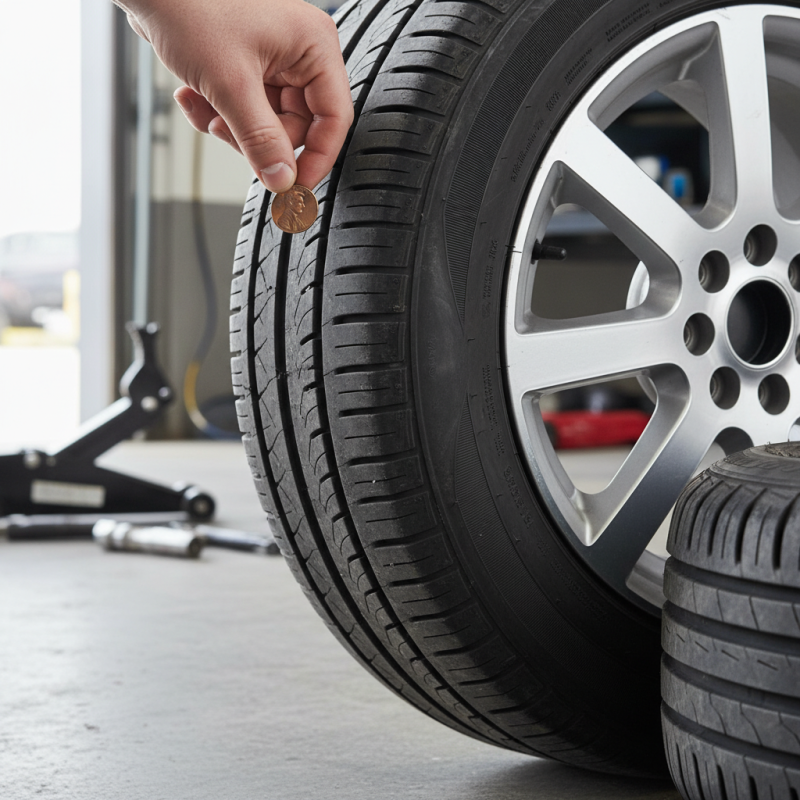
Tire wear can impact your safety on the road. Familiarizing yourself with the common symptoms is essential for timely replacement. One significant sign is uneven wear. Check for areas that may be more worn than others. If your tire tread looks shallow or uneven, it could be time for new tires.
Another indicator is vibrations while driving. If you notice unusual shaking, your tires may be out of balance. This can affect handling and could lead to accidents if not addressed.
Tips: Regularly inspect your tires for bulges or blisters. These can lead to blowouts. Also, check the tread depth using the penny test. Insert a coin into the tread; if you can see all of Lincoln's head, replace the tires soon.
Finally, take note if your vehicle pulls to one side. This may indicate misalignment or tire issues. Address these problems immediately to ensure safe driving. Regular maintenance can extend your tires' life. However, don’t neglect their condition; trust your instincts when it comes to wear and tear.
Understanding tread depth is essential for vehicle safety and performance. Tread depth refers to the vertical distance between the top of the tread and the deepest grooves. According to the National Highway Traffic Safety Administration (NHTSA), tires should maintain a tread depth of at least 2/32 of an inch. Tires with insufficient tread can reduce grip, especially in wet conditions, significantly increasing the risk of hydroplaning.
To assess tread depth, a simple method is the penny test. Insert a penny into the tread with Lincoln's head facing down. If you can see all of Lincoln's head, your tires need replacement. Experts recommend replacing tires when they reach 4/32 of an inch in tread depth for optimal performance in rain and snow. Furthermore, visual signs such as uneven wear or sidewall bulges can indicate the need for new tires. Neglecting these signs may lead to tire blowouts, which pose serious safety risks.
In addition to performance concerns, proper tread depth contributes to better fuel efficiency. A worn tire can decrease fuel mileage by as much as 10%. Staying proactive in monitoring tire health can save money while ensuring safety. Regular inspections are vital, yet many drivers overlook this simple maintenance step. It's not enough to wait until you notice significant issues; routine checks can prevent future problems.
Inspecting the tire sidewalls is critical for ensuring your vehicle’s safety. Look for any visible damage or cracks. These indicators can reveal underlying issues that could lead to tire failure. A small crack can grow into a serious problem. Watch for bulges or blisters too. They can indicate that the tire is damaged and may burst.
When examining the sidewalls, pay attention to your tires' overall condition. A color change or fading can signal deterioration. If the tires have visible signs of wear, it might be time to act. A tire with deep cuts or gouges may need replacement. Do not overlook unusual sounds. They can also be a sign of tire issues.
Never ignore the importance of proper maintenance. Make it a habit to check your tires regularly. Even minor damage can have serious consequences on the road. Being proactive can save you from an unexpected situation. It’s wise to consult a professional if you have any doubts about your tire condition. A small step can lead to safer driving.
When driving, unusual vibrations or noises can indicate tire problems. If your vehicle shakes or pulls to one side, it may be due to uneven tire wear. These symptoms often signal that it’s time to replace your tires. Listen carefully for any hissing or thumping sounds while driving. These sounds can hint at potential air leaks or damaged tread.
Pay attention to how your steering wheel feels. If it vibrates or feels loose, it might indicate an issue with your tires or wheel alignment. These sensations can be alarming. They can also lead to more significant issues if not addressed promptly. Check for bulges or cracks on the tires, as these can be warning signs of deeper problems.
Recognizing these signs early can prevent safety hazards on the road. Trust your instincts; if something feels off, it’s worth investigating. Regularly inspecting your tires not only promotes safety but also enhances overall driving performance. The road can be unpredictable, but being attentive to your vehicle's signals can help you stay ahead of potential issues.
Regularly checking your tire pressure is key to maintaining optimal vehicle performance. Under-inflated tires can lead to poor fuel efficiency and unsafe handling. Ideally, tires should be checked weekly or at least once a month. A simple tire gauge can help you determine pressure quickly and accurately.
Many drivers overlook the importance of tire pressure. They assume that if tires look fine, they are fine. However, this is not always true. Tires can lose air due to environmental changes or natural degradation over time. Checking your tire pressure ensures you avoid unnecessary wear and tear.
Make it a habit to check pressure when the tires are cold. Hot tires can give misleading readings. In addition, the manufacturer's recommended pressure is typically found on a sticker inside the driver's door. Ignoring this simple task can lead to increased stopping distances and compromised safety. Reflect on the risks of neglecting such a basic operation. Keeping track of tire pressure could save you from costly repairs and accidents down the road.
| Tire Issue | Signs of Problem | Recommended Action | Frequency of Check |
|---|---|---|---|
| Low Tire Pressure | Tire warning light on dashboard | Inflate tires to the recommended pressure | Weekly |
| Uneven Tire Wear | Visible wear patterns on tire surface | Inspect alignment and rotation | Monthly |
| Tread Depth | Tread is less than 1/16 inch | Replace tires | Every 6 months |
| Visible Cracks | Cracks or splits in the sidewall | Replace damaged tires | During every tire inspection |
| Vibration or Noise | Abnormal vibrations or noise while driving | Have the tires inspected by a professional | Immediately if noticed |
: Inspect for visible cracks, bulges, or blisters. These signals can indicate damage and potential tire failure.
Look for color changes, fading, deep cuts, or gouges. These signs may mean it’s time for a replacement.
Pay attention to any hissing or thumping sounds. These may suggest air leaks or damaged tread.
Vibrations or a loose feel can indicate tire or alignment issues. It might lead to deeper problems if ignored.
Ideally, check your tire pressure weekly or at least once a month. Regular checks enhance performance and safety.
Always check when tires are cold. Hot tires can give inaccurate readings, leading to potential issues.
Neglecting tire health can result in safety hazards. Small damages can escalate into serious issues while driving.
The recommended pressure is usually on a sticker inside the driver’s door. Adhere to these guidelines for safety.
Identifying the "Signs Your Vehicle Needs New Tires" is crucial for ensuring safe and efficient driving. Common symptoms of tire wear and tear include uneven tread wear, visible cracks or damage on the tire sidewalls, and the presence of unusual vibrations or noises during driving. Regularly examining these factors can help determine if your tires are nearing the end of their lifespan.
Another important aspect is understanding tread depth, which plays a vital role in maintaining traction and performance. Keeping an eye on tire pressure is also key; properly inflated tires contribute to better fuel efficiency and handling. By monitoring these indicators, drivers can proactively address tire issues and enhance their vehicle’s safety on the road.