DUS Auto Parts
Tires are a critical component of vehicle safety and performance. Proper care can significantly extend their lifespan. According to a report by the Tire Industry Association, under-inflated tires can reduce tread life by 25%. This emphasizes the importance of regular maintenance.
Implementing practical "Tips For Extending Tire Lifespan" can save money and improve safety. For instance, rotation every 6,000 miles is recommended. Neglecting this can lead to uneven wear, shortening tire life. Regular alignment checks are equally vital. Misalignment can lead to premature tire failure.
Moreover, external factors such as road conditions and driving habits influence tire longevity. Harsh conditions can accelerate wear. It's a reminder that mindful driving can also aid in prolonging tire life. Many overlook these minor adjustments. Ignoring them can cost more in the long run. Exploring these essential tips is worth considering for every driver.
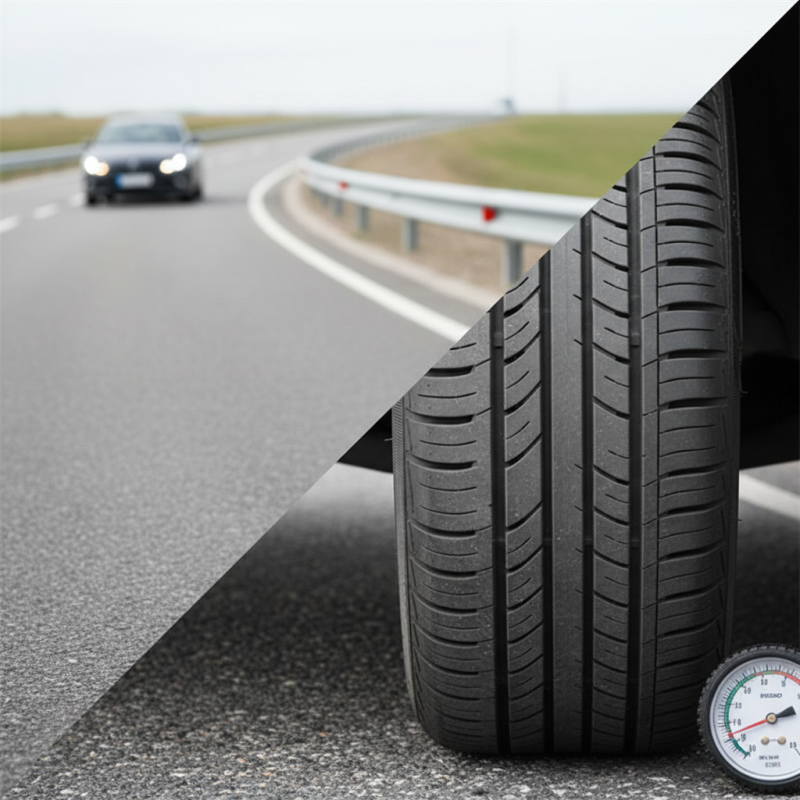
Tire lifespan is influenced by several key factors. One vital element is tire maintenance. Regular checks on tire pressure can prevent uneven wear. Overinflated or underinflated tires wear out faster. Aim for the manufacturer’s recommended levels for optimal performance.
Driving habits are crucial as well. Aggressive driving, such as rapid acceleration and hard braking, can shorten tire life. Smooth driving promotes even tire wear. Additionally, road conditions play a significant role. Potholes and rough surfaces can cause damage and lead to early tire replacement.
Temperature also affects durability. Extreme heat can soften rubber, while extreme cold can make it brittle. Both conditions compromise tire integrity. Monitor your tires, especially during seasonal changes. Small issues, like minor cracks or bulges, can indicate deeper problems. Addressing these early can prevent costly replacements later on.
Regular tire maintenance is crucial for extending the lifespan of your tires. Start by checking tire pressure monthly. Under-inflated tires can wear out quickly and can also affect your vehicle's fuel efficiency. Over-inflation is just as damaging, causing uneven wear. Maintain the correct pressure as stated in your vehicle's manual.
Rotation and alignment are other key factors. Rotate tires every 5,000 to 7,500 miles. This practice helps achieve even wear across all tires. Misalignment can lead to premature wear, making your tires less efficient.
Pay attention to vibrations or pulling; they signal alignment issues. Your tires' tread depth also deserves attention. Use the penny test to check tread depth regularly.
Finally, consider driving habits. Aggressive acceleration and hard braking put extra stress on tires. Be mindful of potholes or curbs, as they can cause damage. Make adjustments to your driving style for better tire health. A simple check can go a long way. Regular maintenance is essential for tire longevity.
Maintaining optimal tire inflation is crucial for extending tire lifespan. Proper pressure ensures even tread wear and enhances fuel efficiency. Under-inflated tires can lead to overheating, increasing the risk of blowouts. Conversely, over-inflation can reduce traction and compromise grip on wet roads. Regularly checking tire pressure is an essential habit for any driver.
Tips for maintaining tire pressure include checking it at least once a month. Always measure tire pressure when the tires are cold for accurate readings. Each vehicle usually has a recommended pressure level, often located on a sticker inside the driver’s door. Invest in a good quality tire gauge; they are inexpensive and easy to use.
Another tip is to rotate your tires regularly. This practice helps in achieving even wear across all tires, which can naturally extend their lifespan. Pay attention to tread depth; if it appears worn or uneven, it may signal the need for alignment. Regular maintenance not only enhances safety but also improves your vehicle's overall performance. Taking these steps seriously can lead to significant savings in the long run.
Tread depth is crucial for tire safety and longevity. Many drivers overlook this detail. Understanding when to replace tires can prevent accidents and improve performance. A tire with shallow tread cannot grip the road well. This is particularly dangerous in wet conditions.
To check tread depth, use the penny test. Insert a penny into the tread with Lincoln’s head facing down. If you see the top of his head, it’s time for new tires. New tires typically have a tread depth of about 10/32 of an inch. As they wear, the depth decreases, losing traction over time.
Keep an eye on uneven wear patterns, too. They can indicate alignment issues. Regularly inspect all tires, including the spare. Waiting too long to replace worn tires compromises safety. Consider tire rotation and proper inflation to extend their lifespan. Maintaining good tread depth is a simple yet vital step for any vehicle owner.
| Tire Type | Recommended Tread Depth (mm) | Signs of Worn Tires | Replacement Recommendations |
|---|---|---|---|
| All-Season Tires | 3.2 mm | Uneven wear, visible cords | Replace when < 3.2 mm |
| Summer Tires | 2.4 mm | Hydroplaning, poor traction | Replace when < 2.4 mm |
| Winter Tires | 4.0 mm | Cracks, loss of grip | Replace when < 4.0 mm |
| Truck Tires | 3.0 mm | Visible wear bars | Replace when < 3.0 mm |
When managing tire care, seasonal changes play a critical role. In winter, cold temperatures and icy roads demand more attention. Tire pressure drops in the cold, often leading to under-inflation. A simple check reveals if your tires need air. Proper inflation enhances traction and extends their lifespan.
In contrast, summer heat can cause tires to wear more quickly. Hot pavement increases friction, leading to faster tread wear. Regularly inspecting tire tread becomes essential during these months. A quick visual check can indicate if they’re nearing the end of their life. Also, rotating tires seasonally can ensure even wear.
Changing driving habits is crucial too. Loose steering or vibrations signal potential problems. Adjust as needed based on road conditions. It’s easy to overlook these signs in daily routines. Taking time for maintenance can prevent costly replacements down the line. Each season presents unique challenges. Engaging with tires based on the season can significantly improve their longevity.
: Check tire pressure monthly for best results.
Aggressive driving can increase tire wear and shorten their lifespan.
Potholes and rough roads can cause damage, leading to early replacement.
Rotating tires ensures even wear and extends their lifespan.
Vibrations or pulling during driving may signal alignment problems.
Extreme temperatures can soften or brittle the rubber, impacting tire integrity.
Use a penny to check tread depth; it helps assess tire health.
Seasonal variations affect tire pressure and traction; regular checks are necessary.
Minor cracks may signal deeper issues; addressing them early is crucial.
Adjust driving habits and perform regular maintenance for enhanced tire health.
To maximize the lifespan of your tires, it’s essential to understand the key factors that affect their durability, such as driving habits, road conditions, and climate. Regular tire maintenance plays a critical role in ensuring longevity; practices like rotating your tires, checking for alignment issues, and ensuring they are free of debris can significantly enhance their performance.
Maintaining optimal tire inflation is another vital aspect, as correct pressure not only improves fuel efficiency but also reduces wear. Additionally, being aware of tread depth is important; knowing when to replace your tires can prevent safety hazards. Seasonal considerations, such as adjusting tire care based on changing weather conditions, further contribute to extending tire lifespan. By following these tips for extending tire lifespan, drivers can ensure their tires remain safe and durable for a longer period.
