DUS Auto Parts
Planning a road trip? Don’t overlook essential tire safety checks before your journey. Tires are crucial to your vehicle's performance and safety. A flat or damaged tire can lead to delays or accidents. Conducting simple inspections can save you time and stress on the road.
Inspecting tire pressure is one vital check. Proper inflation affects fuel efficiency and handling. Look for uneven wear patterns; they may signal alignment issues. Tread depth is another important detail. If the tread is too worn, consider replacing the tires.
Are your tires properly balanced? This can enhance stability and reduce vibrations. Examine for visible damage – cuts, punctures, or bulges could indicate serious problems. Remember, tire maintenance is often overlooked yet essential for road safety. Prioritize these checks to ensure a smooth trip and a safe return.
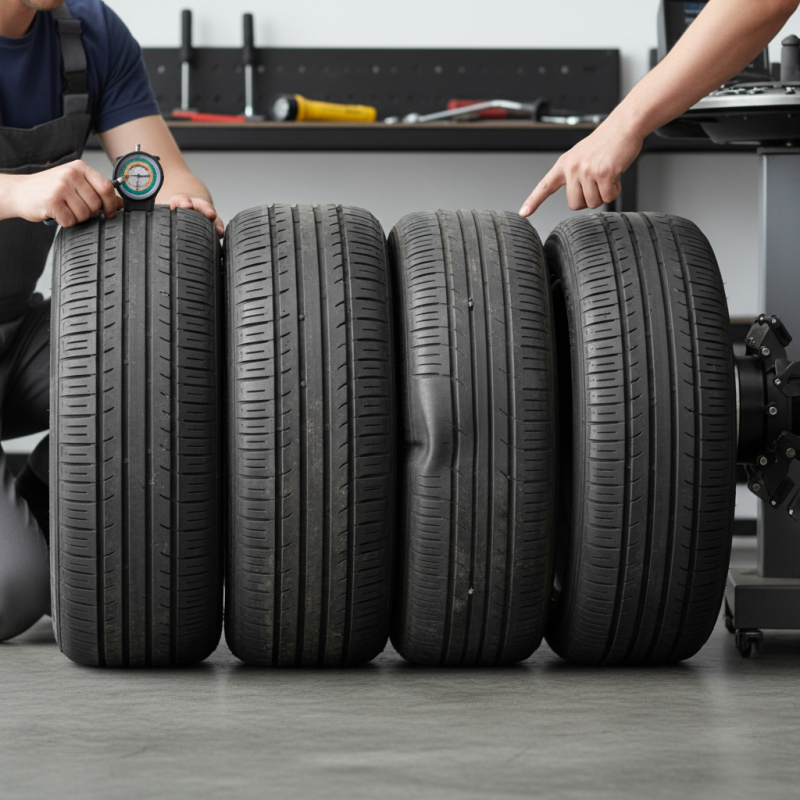
Before setting off on your next road trip, ensuring optimal tire inflation is crucial. Properly inflated tires improve fuel efficiency and enhance vehicle handling. To achieve this, find the recommended pressure level in your vehicle's manual or on the driver's side door panel. Many drivers overlook this simple but essential step.
Check tire pressure when tires are cold. This means checking them before driving for long distances. Use a reliable tire gauge for accuracy. If the pressure is too low, fill tires to the recommended level. Overinflating can lead to blowouts, so be cautious. Balancing air pressure is key to tire longevity.
Regularly inspect your tires for wear and damage. Look for cracks or bulges. These defects can create hazards on the road. Remember that tire health affects your safety. Don't wait until your trip to check. Make it a routine part of vehicle maintenance.
Understanding tread depth is crucial for safe driving. The tread on your tires grips the road. It prevents slipping and enhances traction. As tires wear, tread depth decreases. A worn tire can lead to hydroplaning and accidents.
Most states require a minimum tread depth of 2/32 inches. However, experts recommend 4/32 inches for wet conditions. During a road trip, check your tread. A simple penny test can help. Place a penny in the tread. If you see Lincoln's entire head, it’s time to replace those tires.
Visual signs of wear also matter. Look for uneven wear patterns. They could signal issues with alignment or inflation. Ignoring them can lead to a dangerous ride. Regular maintenance checks promote tire longevity. Your safety depends on it, so measure your tread depth before hitting the road.
When preparing for a road trip, checking your tires is crucial. Look for signs of wear. Inspect the tread depth regularly. If the grooves are shallow, your tires might need replacement. You can perform the penny test. Insert a penny into the tread. If you see Lincoln’s entire head, those tires are worn down.
Additionally, pay attention to bulges or blisters. These can indicate structural damage. If you spot any, consult a professional. Uneven wear patterns also need your attention. They may signal alignment or inflation issues. Cross-check your tire pressure. Under-inflated tires can lead to blowouts. Over-inflated tires reduce contact with the road.
Monitor the vibration while driving. A vibrating steering wheel could indicate a tire problem. These signs shouldn’t be ignored. Regular checks help avoid accidents. Remember, a smooth ride starts with safe tires. Taking time for these checks ensures a trouble-free journey ahead.
This chart displays the importance of various tire safety checks every driver should perform before embarking on a road trip. The checks include tread depth, tire pressure, sidewall condition, alignment, balancing, age of tires, uneven wear, tire inflation, valve stems, and tread pattern.
Maintaining proper tire alignment and balance significantly enhances your vehicle's performance. Misalignment can cause uneven tire wear, making your tires work harder. This inefficiency can lead to higher fuel consumption, costing you more on trips. A simple visual inspection may reveal issues. If your car pulls to one side, this could indicate alignment problems.
Balancing your tires is equally important. When tires are unbalanced, you may feel vibrations at higher speeds. This not only leads to driver discomfort but can also affect the handling of your vehicle. Regularly checking the tire pressure can also prevent balancing issues. Under-inflated tires can contribute to misalignment and wear out faster.
Consider how often you drive and the terrains you encounter. Uneven surfaces can worsen alignment issues. Taking the time to assess these elements can save you money on future repairs. Scheduling routine checks with a professional can help keep your tires in optimal condition. It's about being proactive rather than reactive. Tire safety is essential for a smooth and safe road trip experience.
| Check Item | Description | Recommended Frequency | Notes |
|---|---|---|---|
| Tire Pressure | Ensure tire PSI matches the manufacturer’s specifications. | Before every trip | Check when tires are cold for accurate readings. |
| Tread Depth | Use the penny test or a tread depth gauge to check wear. | Monthly | Replace tires if tread is worn below 2/32 inches. |
| Visual Inspection | Check for cracks, blisters, or foreign objects. | Before each trip | Look for signs of damage or wear. |
| Alignment | Ensure wheels are aligned for smooth handling. | Annually or after hitting a pothole | Misalignment can cause uneven tire wear. |
| Balance | Check that tires are balanced to prevent vibrations. | After rotating tires or if vibrations occur | Balance irregularities can reduce tire life. |
| Valves | Inspect tire valves for leaks and damage. | Every service or tire change | Replace any faulty valves immediately. |
| Seasonal Check | Switch between winter and summer tires as needed. | Seasonally | Use appropriate tires for weather conditions. |
| Tire Age | Check manufacturing date; replace tires every 6-10 years. | Every few years | Older tires may fail without visible signs. |
| Rotation | Rotate tires to promote even wear. | Every 5,000 to 8,000 miles | Follow vehicle manufacturer's recommendations. |
| Check Spare Tire | Ensure spare is inflated and in good condition. | Before long trips | A flat spare won't help if needed. |
Tire rotations are vital for your vehicle's health. Many drivers overlook this simple maintenance step. Regular rotations promote even wear across tires, extending their lifespan. Uneven wear can lead to reduced traction and increased risk of blowouts. It’s crucial to check tire pressure, tread depth, and alignment after each rotation.
Ignoring tire rotation can result in uneven tread wear. This unevenness may cause vibrations and noise during drives. Drivers might not notice the gradual changes until problems escalate. Consider scheduling rotations every 5,000 to 7,500 miles, depending on driving habits. Keeping a routine can save money in the long run.
Proper tire care also enhances safety. A well-maintained tire performs better on wet or icy roads. Familiarize yourself with your vehicle’s manual for specific rotation patterns. Every type of vehicle may require different maintenance approaches. When in doubt, consult a professional for guidance. Regular tire rotations can make a significant difference during your next road trip.
: Inspect the tread depth. If it’s shallow, replacement might be necessary.
Insert a penny into the tread. If Lincoln’s full head shows, the tires are worn.
Look for bulges or blisters. These require professional consultation.
Check for unusual wear patterns. This can suggest alignment or inflation issues.
Improper pressure can lead to blowouts or reduced road contact. Regular checks are essential.
Vibration may indicate a tire issue. Don’t ignore it; perform a thorough inspection.
Every 5,000 to 7,500 miles is recommended. It aids in even wear and longevity.
Neglecting rotations causes uneven tread wear, leading to vibrations and safety risks.
Well-maintained tires improve traction on wet or icy roads. Routine checks are vital.
Refer to your vehicle’s manual for guidance or consult a professional.
Before embarking on a road trip, it is crucial to conduct essential tire safety checks to ensure a safe journey. First, maintaining proper tire inflation is vital for optimal performance and fuel efficiency. Additionally, understanding tread depth requirements can significantly impact your vehicle's traction, especially in adverse weather conditions.
Drivers should also be aware of signs of tire wear, which can indicate the need for replacement or adjustment. Regular assessments of tire alignment and balance can enhance handling and comfort while driving. Lastly, scheduling regular tire rotations can extend the life of your tires, ultimately contributing to road safety. By following these essential tire safety checks before road trips, you can help ensure a smoother, safer travel experience.
