DUS Auto Parts DUS Auto Parts

2026 How to Ensure Tire Health with Proper Wheel Alignment?

Time:2026-06-13 Author:Sienna
0%

Proper wheel alignment plays a crucial role in maintaining tire health. Many drivers overlook this aspect, leading to premature tire wear and potentially dangerous driving conditions. The importance of wheel alignment for tire health cannot be overstated. When wheels are misaligned, tires can wear unevenly, reducing their lifespan and compromising safety.

Regular alignment checks can enhance vehicle performance and extend tire life. Misalignment may occur due to potholes, curb impacts, or normal wear over time. Ignoring it can result in costly replacements sooner than necessary. Furthermore, tension on the vehicle’s steering components can lead to more significant issues if left unchecked.

Investing in proper alignment is not just about tire longevity. It ensures a smoother ride and better fuel efficiency. A well-aligned vehicle handles better, providing confident control on the road. Ultimately, prioritizing wheel alignment is essential for both drivers' safety and the overall health of the vehicle.
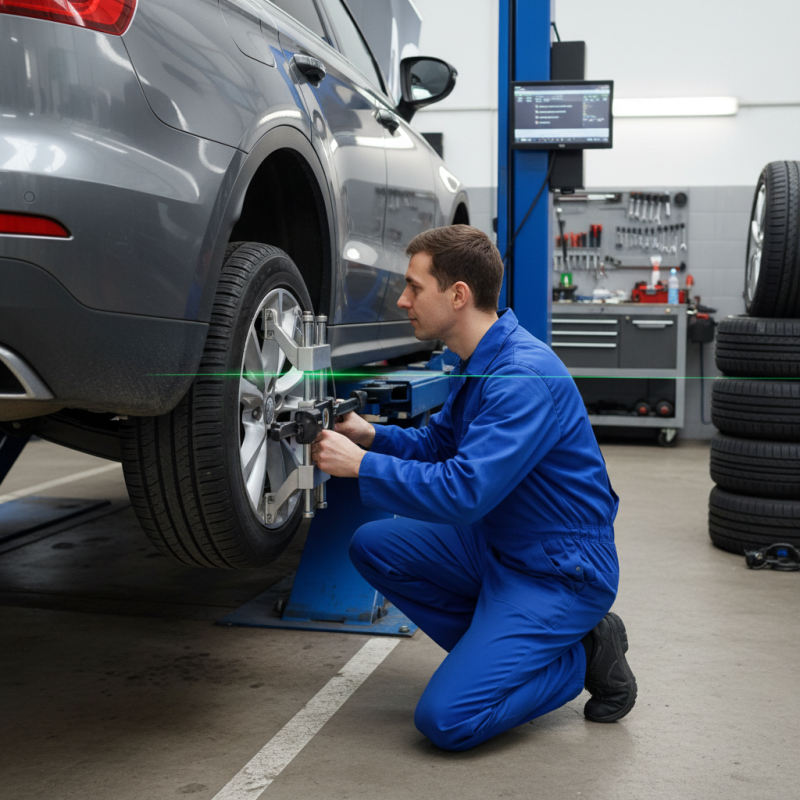
2026 How to Ensure Tire Health with Proper Wheel Alignment?

Importance of Wheel Alignment for Tire Longevity

Proper wheel alignment plays a crucial role in extending tire longevity. When wheels are aligned correctly, tires wear evenly. This leads to a smoother ride and better vehicle handling. Misalignment can cause tires to wear more quickly and unevenly, leading to premature replacements. Over time, this misalignment can also affect other components of the vehicle, resulting in higher repair costs.

Regular inspections can help maintain optimal wheel alignment. Consider having your alignment checked every 5,000 to 10,000 miles. If you notice your vehicle pulling to one side, it may indicate a misalignment. Also, check for uneven tire wear patterns, as these are telltale signs. Maintaining correct tire pressure also supports alignment, ensuring that your tires perform efficiently.

Here are some quick tips:
- Avoid hitting potholes or curbs.
- Rotate your tires regularly.
- Invest in a professional alignment service when needed.

Keeping an eye on these factors can significantly enhance your tire’s lifespan. Prioritize wheel alignment, as it ensures not just tire health but overall vehicle safety.

Importance of Wheel Alignment for Tire Longevity

Signs Indicating Improper Wheel Alignment

When it comes to maintaining tire health, improper wheel alignment can silently undermine your vehicle's performance. Industry studies indicate that misaligned wheels can reduce fuel efficiency by up to 10%. Recognizing the signs of this issue is crucial for long-term tire durability. One clear sign is uneven tire wear. If one side of your tire shows more wear than the other, it’s time to inspect the alignment.

Another telltale sign is the vehicle pulling to one side. This can affect your control while driving and increase the risk of accidents. Vibrations in the steering wheel are also indicative of alignment issues. According to the National Highway Traffic Safety Administration, improper alignment not only leads to accelerated tire wear but can also compromise safety.

Tips: Regularly check your tire pressure. Maintaining the right pressure can mitigate some alignment issues. Adjust your driving habits, such as avoiding potholes and sharp turns, which can exacerbate alignment problems. If you notice any signs of misalignment, seek professional assessment immediately for your vehicle's health. Ignoring these signs can lead to costly repairs down the line. Remember, proactive attention to wheel alignment not only prolongs tire life but enhances overall driving safety.

Steps for Checking Your Wheel Alignment

Checking your wheel alignment is crucial for tire health. Misalignment can cause uneven tire wear. This leads to shorter tire life. It can also affect handling. Follow these steps to ensure your wheels are aligned correctly.

Start by visually inspecting your tires. Look for any uneven wear patterns. These can be a sign of alignment issues. Next, check the steering wheel. If it is off-center while driving straight, that’s a warning sign. To get a precise measurement, you need a professional alignment check. They will use advanced equipment to determine angles.

Tips: Regularly check tire pressure. Proper inflation reduces wear. Rotate your tires every 6,000 to 8,000 miles. This promotes even wear across all tires. Proper alignment not only extends tire life but also enhances fuel efficiency. Ignoring warning signs can lead to costly repairs down the road.

Techniques for Achieving Proper Wheel Alignment

Achieving proper wheel alignment is crucial for maintaining tire health. Misalignment can lead to uneven tire wear, affecting both performance and safety. To ensure your wheels are aligned correctly, several techniques can be employed.

One effective method involves using a professional alignment tool, which measures angles precisely. These tools can identify discrepancies in camber, toe, and caster. Regular inspections are essential, particularly if you notice your vehicle pulling to one side. Keep in mind that road conditions can impact alignment.

Another technique is the “string alignment” method. This DIY approach uses a string to check alignment by placing it parallel to the tires. However, results may vary based on experience. It’s essential to reflect on your methods and assess their accuracy. Even small misalignments can lead to significant issues over time.

Regular Maintenance Tips for Tire Health

Ensuring tire health involves regular maintenance. Proper wheel alignment is essential for extending tire life and optimizing performance. Misalignment can lead to uneven wear, affecting your safety and driving experience.

Regularly check your tire pressure. Low pressure can cause tires to wear out faster. Keeping them inflated to the recommended levels can prevent unnecessary damage. Additionally, monitor tread depth. You can use a penny to gauge this. Insert it into the tread; if you see the top of Lincoln’s head, it’s time for new tires.

Rotate your tires as recommended. This helps in maintaining an even wear pattern. Poor alignment can cause tires to wear on one side. Regular alignment checks can mitigate this. A professional inspection can reveal hidden issues that you may overlook. It's crucial to be proactive in these areas to enhance tire longevity.

FAQS

: Why is checking wheel alignment important?

: Checking wheel alignment is crucial for tire health and can prevent uneven wear.

What are signs of misalignment?

Signs include uneven tire wear and an off-center steering wheel while driving straight.

How can I check my tire pressure?

Regularly check tire pressure using a gauge. Proper inflation reduces tire wear.

What is the recommended tire rotation frequency?

Tires should be rotated every 6,000 to 8,000 miles to promote even wear.

What is the string alignment method?

It's a DIY approach using a string to check alignment's accuracy alongside tires.

What can happen if I ignore alignment issues?

Ignoring misalignment can lead to uneven tire wear and costly repairs later.

How can road conditions affect alignment?

Bumpy or rough roads can disrupt wheel alignment and lead to performance issues.

How do I check tread depth?

Use a penny; if you see Lincoln’s head, it's time for new tires.

What tools do professionals use for alignment checks?

Professionals use advanced tools to measure angles and identify alignment discrepancies.

Why should I reflect on my DIY alignment methods?

Reflecting helps ensure accuracy, as small misalignments can lead to big problems over time.

Conclusion

The "Importance of Wheel Alignment for Tire Health" cannot be overstated, as proper wheel alignment significantly contributes to tire longevity and vehicle performance. Misalignment can lead to uneven tire wear, reduced fuel efficiency, and compromised safety. Recognizing signs such as pulling to one side, uneven tread wear, or a crooked steering wheel can indicate the need for immediate alignment checks.

Taking proactive measures by regularly checking and adjusting wheel alignment can enhance tire health. Techniques such as professional alignment checks and adhering to manufacturer specifications play a key role in achieving optimal alignment. Additionally, regular tire rotation, maintaining proper tire pressure, and scheduling routine maintenance help ensure the best outcomes for tire performance and longevity. In essence, diligent attention to wheel alignment is crucial for prolonging tire life and ensuring safer driving experiences.

Sienna

Sienna

Sienna is a skilled marketing professional with a deep expertise in our company’s core products and services. With a passion for innovation and detail, she plays a pivotal role in crafting insightful blog posts that not only highlight the unique features of our offerings but also provide valuable......