DUS Auto Parts DUS Auto Parts

Top 10 Common Causes Of Uneven Tire Wear Explained

Time:2026-06-19 Author:Sienna
0%

Uneven tire wear is a common problem that affects vehicle performance and safety. According to the Tire Industry Association, nearly 29% of tires are replaced prematurely due to misalignment and improper inflation. Understanding the common causes of uneven tire wear is essential for vehicle maintenance and longevity.

Factors like improper alignment, worn suspension components, and unbalanced tires significantly contribute to uneven wear. Studies show that misalignment can lead to a 30% reduction in tire lifespan. Additionally, under-inflated tires can experience a 25% decrease in fuel efficiency. These statistics highlight the importance of regular tire inspections and maintenance.

Drivers often overlook the significance of tire health until it's too late. Ignoring the common causes of uneven tire wear can lead to safety hazards and increased long-term costs. Regular monitoring and proactive measures can mitigate these issues, enhancing vehicle efficiency and safety.
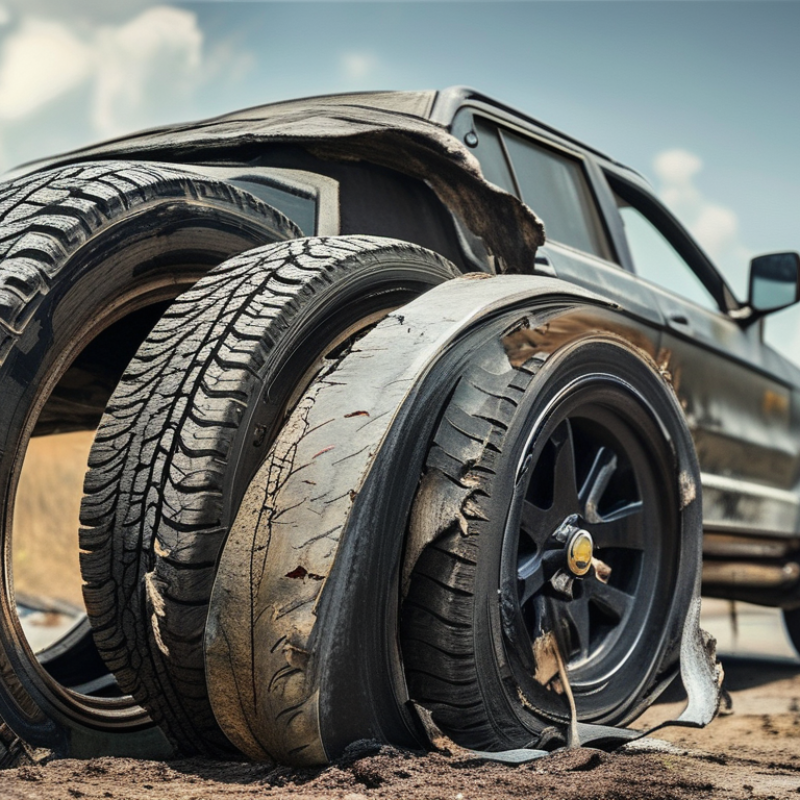
Top 10 Common Causes Of Uneven Tire Wear Explained

Common Causes of Uneven Tire Wear

Uneven tire wear is a common issue for vehicle owners. It can lead to reduced vehicle performance and safety risks. Several factors contribute to this problem. Understanding these can help maintain your tires and prolong their lifespan.

One significant cause is improper tire alignment. Misaligned wheels can create uneven pressure on tires, leading to distinctive wear patterns. Regular alignment checks are key. Another factor is tire pressure. Under-inflated or over-inflated tires can wear out quickly. Keeping your tires at the recommended pressure is essential for optimal performance.

Driving habits also play a major role. Frequent hard braking and sharp turns can accelerate wear unevenly. It's vital to drive smoothly and avoid unnecessary aggressive maneuvers. Additionally, the type of roads you drive on can impact wear. Rough terrains can quickly wear out tires. Regularly inspecting your tires can reveal early signs of uneven wear, prompting timely action.

Impact of Alignment Issues on Tire Wear

Aligning your vehicle properly is crucial for tire longevity. Misalignment can lead to uneven tire wear, reducing tire lifespan and compromising safety. According to a study by the Tire Industry Association, aligning your wheels can increase tire lifespan by up to 30%.

When your wheels are not aligned, the tires wear unevenly. This uneven wear often presents as bald spots on one side of the tire. The National Highway Traffic Safety Administration notes that improperly aligned wheels can create handling issues, especially at high speeds. Regular alignment checks can prevent these problems and ensure a smoother ride.

Monitoring your tire pressure is also important. Under-inflated tires exacerbate wear patterns caused by misalignment. In fact, a report from the American Automobile Association indicates that maintaining proper tire pressure can improve fuel efficiency by up to 3%. Ignoring these factors can result in higher costs over time and potential safety hazards on the road.

Role of Tire Pressure in Uneven Wear

Tire pressure plays a crucial role in ensuring even tire wear. When pressure is too low, the tire's surface can bulge. This leads to more friction on the outer edges, causing premature wear. In contrast, overinflated tires experience excessive center wear. This can affect handling and safety, increasing the risk of a blowout.

Regularly checking tire pressure can prevent many issues. Use a reliable gauge to measure pressure monthly. Always follow recommended levels for your vehicle. Keep in mind that temperature changes can affect pressure, so check more frequently during seasonal shifts.

It’s important to ensure that the tire pressure is not just checked, but also maintained properly. A neglected tire can misalign, leading to uneven wear. Signs of uneven wear include noise while driving and vibrating steering wheels. Understanding these elements will help in maintaining tire health. Regular rotations and alignments support long-term durability, allowing tires to wear evenly.

Top 10 Common Causes Of Uneven Tire Wear Explained - Role of Tire Pressure in Uneven Wear

Cause Description Recommended Action
Incorrect Tire Pressure Low or high tire pressure can lead to excessive wear on the inner or outer edges of the tires. Regularly check tire pressure and maintain it at the manufacturer's recommended level.
Misalignment Poor wheel alignment can cause uneven tread wear across the tire. Have wheels aligned by a professional regularly, especially after hitting a curb or pothole.
Suspension Problems Worn suspension components can lead to uneven weight distribution on tires. Inspect and replace worn suspension parts promptly.
Tire Rotation Failing to rotate tires can cause uneven wear on specific tire spots. Rotate tires every 5,000 to 7,500 miles.
Driving Habits Aggressive driving can cause excessive tire wear. Adopt smoother driving habits to extend tire life.
Out-of-Balance Wheels Unbalanced wheels can lead to vibration and uneven wear. Balance your tires regularly, especially after installation.
Road Conditions Driving on poor roads can hasten tire wear. Avoid potholes and rough terrain whenever possible.
Tire Quality Lower quality tires may wear faster than premium options. Invest in higher quality tires for better longevity.
Camber Issues Incorrect camber can cause tires to wear unevenly on one side. Have camber angles checked and adjusted as needed.

Effects of Suspension Problems on Tire Lifespan

Suspension problems significantly impact . When suspension components are worn out, they fail to support the vehicle properly. This can lead to an uneven distribution of weight across the tires. A 2022 report from the Tire Industry Association indicates that over 30% of tire wear issues stem from suspension malfunctions.

Common suspension issues include misaligned wheels and worn shock absorbers. Misalignment can cause tires to drag or push against each other. This leads to rapid and uneven wear. According to the Vehicle and Tire Safety Commission, properly aligned vehicles can enhance tire longevity by up to 25%. Worn shocks can also result in excess bouncing, which compromises tire contact with the road.

Regular inspection and maintenance of the suspension system are crucial. Drivers often overlook this critical aspect. Ignoring signs like unusual noise and handling issues can result in higher costs down the line. Performance data suggests that proactive maintenance can save drivers approximately 20% in tire replacement costs. Prioritizing suspension health is vital for a safe and economical driving experience.

Influence of Driving Habits on Tire Condition

Driving habits play a crucial role in tire condition. Studies show that aggressive driving, including rapid acceleration and hard braking, can lead to uneven tire wear. A report by the Tire Industry Association highlights that such driving can reduce tire lifespan by up to 30%. Drivers who frequently take sharp turns may also notice faster wear on the outer edges of their tires.

Proper tire inflation is often overlooked. Many drivers fail to regularly check their tire pressure. According to the National Highway Traffic Safety Administration, 30% of vehicles have under-inflated tires, which can lead to increased friction. This can substantially worsen wear and tear. Drivers need to recognize that their daily choices, such as frequent short trips, contribute to tire degradation. Short drives do not allow tires to reach optimal temperatures, causing uneven wear patterns over time.

Routine maintenance is essential but often ignored. Many people neglect toe and alignment checks. Misalignment can cause tires to wear unevenly, especially on the inner or outer edges. According to a survey, 41% of drivers do not perform regular alignment checks. This neglect can lead to unnecessary costs and safety risks. Small adjustments to driving behavior can significantly improve tire health and extend their usable life.

Top 10 Common Causes Of Uneven Tire Wear Explained

This chart illustrates the top 10 common causes of uneven tire wear and their relative impact on tire condition. Understanding these factors can help drivers maintain their tires better and enhance vehicle safety.

FAQS

: How does wheel alignment affect tire longevity?

: Proper alignment can increase tire lifespan by up to 30%. Misalignment causes uneven wear and reduces safety.

What signs indicate uneven tire wear?

Bald spots on one tire side, noise while driving, and a vibrating steering wheel are clear signs.

Why is monitoring tire pressure important?

Low pressure leads to uneven wear and compromised safety. Maintaining proper pressure can improve fuel efficiency by 3%.

How can low tire pressure affect wear patterns?

Under-inflated tires can bulge, increasing friction and causing outer edge wear. Over-inflated tires wear excessively in the center.

What are the common causes of suspension problems?

Worn shock absorbers and misaligned wheels lead to uneven weight distribution and rapid tire wear.

How often should I check my tire pressure?

Check monthly, or more frequently during temperature changes. Use a reliable gauge to ensure proper maintenance.

What happens if I ignore suspension issues?

Ignoring suspension problems can result in higher tire replacement costs and safety hazards.

How do worn shocks affect tire life?

Worn shocks lead to excess bouncing, reducing tire contact and causing faster wear.

Can regular maintenance save money on tire costs?

Yes, proactive maintenance can save about 20% on replacement costs over time.

Why should I prioritize suspension health?

A healthy suspension system is vital for safe driving and helps maintain even tire wear.

Conclusion

Uneven tire wear can significantly impact a vehicle's performance and safety, making it essential to understand the common causes of uneven tire wear. One primary factor is alignment issues, where misaligned wheels can lead to accelerated wear on specific tire edges. Additionally, improper tire pressure plays a crucial role; either over-inflation or under-inflation can cause uneven tread patterns, diminishing tire lifespan.

Furthermore, suspension problems can exacerbate wear by failing to keep tires flat against the road, while driving habits, such as aggressive acceleration and hard braking, can also contribute to uneven wear. By recognizing these common causes of uneven tire wear, drivers can take proactive measures to maintain tire health and enhance overall vehicle performance.

Sienna

Sienna

Sienna is a skilled marketing professional with a deep expertise in our company’s core products and services. With a passion for innovation and detail, she plays a pivotal role in crafting insightful blog posts that not only highlight the unique features of our offerings but also provide valuable......