DUS Auto Parts DUS Auto Parts

Top 10 Tips for Choosing the Right Tires for Daily Driving

Time:2026-11-03 Author:Henry
0%

Choosing tires for daily driving is less about finding the most expensive option and more about matching your car, routes, and local weather. The right set can improve grip, braking confidence, ride comfort, and road noise. Yet no tire excels at everything. A soft, quiet tire may wear sooner, while a long-lasting model may feel less responsive in heavy rain.

How To Choose The Right Tires For Daily Driving starts with the basics: check your vehicle’s door-jamb placard or owner’s manual for the approved size, load index, and speed rating. Then consider the roads you actually travel. A driver facing frequent rain has different needs from someone commuting on dry highways or dealing with regular snow. Tread design, seasonal performance, rolling resistance, and warranty coverage all deserve a close look. So does the budget.

Small details matter. A tire that fits properly but is underinflated can wear unevenly and affect handling. Check pressure when the tires are cold, and inspect tread and sidewalls regularly. Real-world reviews can help, but ratings do not always reflect your vehicle or route. That is easy to overlook. Even careful buyers may focus too much on one feature, such as mileage, and miss wet braking performance. The following ten tips offer a practical way to compare options, ask a qualified tire professional informed questions, and choose with fewer surprises. Your daily drive is the test. A little uncertainty remains, and that is worth acknowledging.
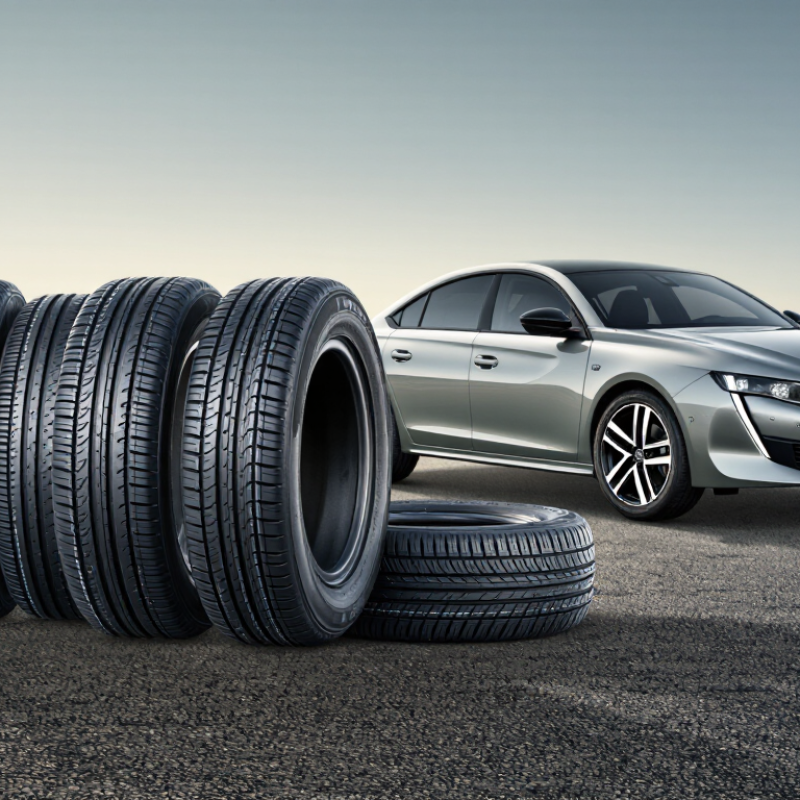
Top 10 Tips for Choosing the Right Tires for Daily Driving

Assess Your Daily Driving Needs and Typical Road Conditions

Tip: Track your actual week before comparing tire types. For five days, note your routes, average speeds, and how often you drive in rain or on rough pavement. A short commute through potholes has different demands from a long highway trip. Details matter.

Tip: Match tire priorities to the roads you use most, not an occasional weekend drive. Frequent rain makes wet-road grip and water evacuation worth checking in the tire’s specifications. Gravel shoulders or broken pavement may call for a sturdier design. If winter brings ice or packed snow, consider whether dedicated seasonal tires are appropriate for your area. Read your vehicle’s placard and owner’s manual for the correct size and load requirements.

Tip: Inspect the roads and your current tires in daylight. Look for uneven wear, cuts, and repeated jolts from potholes; these can suggest an alignment or suspension issue, not just a tire problem. Ask a qualified tire professional to check anything you cannot assess confidently. I used to focus too much on tread appearance alone. It is an easy mistake, and it misses how a tire behaves in wet braking or at highway speed. A quiet ride matters, but it should not outweigh the conditions you face every day.

Verify Tire Size, Load Rating, and Speed Rating

Before buying tires, copy the complete size from the driver-door placard or owner’s manual. A marking such as 205/55R16 describes width, profile, construction, and wheel diameter. Match it exactly unless a qualified tire professional confirms an approved alternative. Close is not always close enough. A tire that is too wide or tall can affect clearance, handling, and speedometer readings.

Check the load index and speed symbol, too. The load index is a code for each tire’s rated carrying capacity; the speed symbol indicates a tested speed category, not a target driving speed. Choose ratings that meet or exceed the vehicle maker’s specifications. NHTSA’s TireWise guidance notes that pressure can change about 1 psi with a 10°F temperature shift, so check pressures when tires are cold, especially after a seasonal change.

Pressure is separate from load rating. Don’t confuse them. I once focused on the size alone; that missed two important numbers. Read the full sidewall, then confirm the match against the placard and the tire maker’s published specifications.

Compare Tire Types for Comfort, Grip, and Efficiency

Daily tires shape more than the feel of a commute. Touring tires often prioritize a quiet ride and steady handling, making them suitable for long stretches of pavement. All-season tires offer a practical balance for drivers facing mild weather changes, though their grip can fall short in deep snow or ice. Performance tires may respond sharply on dry roads, but some ride firmer and wear faster. Winter tires use softer rubber and specialized tread for cold conditions. In warm weather, that same compound may wear more quickly. There is no perfect choice.

Tips: Compare the tire’s comfort, wet-grip, and efficiency ratings, then check that its size and load rating match your vehicle’s placard. A lower rolling-resistance design can help reduce energy use, but the difference depends on the vehicle and driving habits. Keep pressures at the manufacturer’s recommended level; underinflation can affect handling and tire wear. Small details matter.

Pay attention to your actual routes. A smooth highway commute calls for different strengths than frequent rain, rough pavement, or steep neighborhood streets. Notice how your current tires behave: Is road noise tiring? Does braking feel uncertain on wet roads? These observations help narrow the options, though they cannot replace professional inspection. I once assumed a firmer ride meant better control. That was not always true. Compare specifications carefully, and ask a qualified tire professional when ratings or fitment details are unclear.

Top 10 Tips for Choosing the Right Tires for Daily Driving — Compare Tire Types for Comfort, Grip, and Efficiency

# Tip Tire type or feature to compare Ride comfort Grip and conditions Efficiency A good fit for
1 Start with your vehicle’s required size and specifications. Check the owner’s manual or tire placard for size, load index, and speed rating. Depends on design Correct specifications help preserve intended handling and load capacity. Correct fit supports normal operation; an unsuitable size can affect handling and consumption. Every driver, before comparing tire models or categories.
2 Choose a seasonal category that matches your local climate. All-season, all-weather, summer, or winter tires. Varies Summer tires suit warm conditions; winter tires are designed for cold-weather traction. All-weather tires marked with the Three-Peak Mountain Snowflake symbol meet a defined severe-snow performance requirement. Varies by compound, tread, temperature, and road conditions. Drivers who need a practical match for the temperatures and weather they regularly encounter.
3 Prioritize wet-road performance if you often drive in rain. Compare wet-braking and wet-handling results from independent tire tests. Usually medium to high Wet grip varies considerably between tires in the same category; tread condition and speed also matter. Not determined by wet grip alone. Commuters who frequently travel on wet roads.
4 Balance comfort with responsive handling. Touring or grand-touring all-season tires versus performance-oriented tires. Touring: often high Performance-oriented designs may emphasize steering response and cornering grip; results vary by tire. Touring tires may prioritize balanced everyday use, but rolling resistance is model-specific. Touring for a quieter, relaxed commute; performance designs for drivers who value sharper handling.
5 Consider winter capability separately from all-season convenience. Dedicated winter tires, all-weather tires, and standard all-season tires. Varies by road Winter tires are designed for cold conditions; standard all-season tires may offer less traction in severe winter weather. Cold-weather compounds and tread designs can affect rolling resistance and wear. Drivers who regularly face snow, ice, or prolonged low temperatures should compare winter-rated options.
6 Check rolling-resistance information when fuel or energy use matters. Low-rolling-resistance or efficiency-focused tires. Often medium to high Look for independently tested braking and handling; efficiency labels alone do not describe every grip condition. Designed to reduce energy lost as the tire rolls Drivers seeking to reduce energy use, while still meeting their vehicle’s specifications and grip needs.
7 Match tread design to the roads you actually use. Standard road tires versus all-terrain tires. Road tires: often higher All-terrain tires are intended for mixed on-road and off-road use; their road grip depends on the surface and design. More aggressive tread can increase rolling resistance and road noise. Mostly paved driving generally favors road-focused tires; frequent unpaved travel may justify an all-terrain design.
8 Use noise and comfort test results, not appearance alone. Touring designs, tread pattern, and independent noise measurements. Model-dependent Quietness does not by itself indicate better or worse grip. Noise and efficiency are separate characteristics; compare both where data is available. Drivers with long commutes or a strong preference for a calm cabin.
9 Compare tread-life evidence and the tire’s intended use. Treadwear information, warranty terms, and independent wear tests. Varies Grip, tread life, and comfort involve design trade-offs; no single rating fully describes performance. Even wear helps preserve performance over the tire’s service life. Drivers who want to balance purchase cost, expected mileage, and performance.
10 Maintain tire pressure and replace tires when worn or damaged. Cold inflation pressure, tread depth, alignment, and visible condition. Proper pressure supports comfort Correct pressure and adequate tread help maintain traction; worn tires can perform poorly, especially on wet roads. Underinflation can increase rolling resistance and contribute to uneven wear. Every driver, throughout the life of the tires.

Note: Comfort, grip, and efficiency depend on the specific tire, vehicle, pressure, load, temperature, and road surface. Compare independent test results for the correct tire size, and follow the vehicle manufacturer’s requirements.

Evaluate Tread Design, Weather Performance, and Noise

Tread design affects how a tire grips, clears water, and feels on ordinary roads.

Look for continuous grooves that channel rain away, plus smaller cuts, called sipes, that add biting edges in cold conditions. Broad shoulder blocks can support cornering, but aggressive patterns may create more road hum. Check the tread evenly across the tire, not just the center. Small details matter.

Weather performance should match your usual routes, not an occasional holiday trip.

If you often drive through heavy rain, prioritize dependable wet-road handling and deep drainage grooves. In places with regular snow or freezing temperatures, check the tire’s winter-use markings and consider whether dedicated winter tires suit your needs. All-season tires are a compromise. I used to assume “all-season” meant equally capable in every season; that is an easy assumption to make, but it can mislead.

Noise is easier to judge before buying than after installation.

Read independent test results when available, then ask to hear the tires on a similar vehicle. A quiet ride depends on tread pattern, road surface, speed, and cabin insulation. Take a familiar route with rough pavement and smooth pavement. Listen at steady speeds. Also keep inflation at the vehicle maker’s recommended pressure; underinflation can change handling and add noise. Don’t judge from one short drive.

Check Tire Age, Warranty, and Ongoing Maintenance

Top 10 Tips for Choosing the Right Tires for Daily Driving

Check the tire’s age before judging it by tread depth alone. The last four digits of its date code usually show the manufacturing week and year. A tire may have usable-looking grooves yet still show cracking, bulges, or hard, brittle rubber. Look closely at the sidewalls, including the inner side if safely visible. If the date code is unclear or damage appears, ask a qualified tire technician to inspect it. Appearance is not a full diagnosis.

Tip: Read the warranty before buying. Check what mileage claims require, which wear conditions are excluded, and whether rotation or alignment records must be kept. Save receipts and note service dates. Warranty terms vary, and a claim may not cover damage from a pothole or incorrect inflation. The fine print matters.

Ongoing care can help tires wear more evenly.

Check pressure monthly, when tires are cold, using the vehicle’s recommended figures rather than the maximum printed on the sidewall. Notice changes. A steering pull, vibration, or uneven tread wear can signal a pressure, alignment, or suspension issue. Rotate tires at the interval specified in the vehicle manual, and arrange an inspection if wear looks uneven. I used to rely on a quick visual check; it missed gradual pressure loss. A gauge is more dependable.

FAQS

How can I identify the right tire priorities for my daily driving?

Track your routes, speeds, and weather for five days. A short commute over potholes may need different strengths from a smooth highway trip. Small details matter.

Which tire features matter most in frequent rain?

Check wet-road grip and water evacuation specifications. Notice whether braking feels uncertain on wet pavement. I used to focus too much on tread appearance alone.

Are all-season tires suitable for every winter?

They can work in mild weather changes, but grip may fall short on deep snow or ice. Consider dedicated winter tires if cold conditions are common. It depends.

What should I check before choosing a tire size?

Match the size and load rating to your vehicle’s placard and owner’s manual. Ask a qualified tire professional if fitment details are unclear. Don’t guess.

Do touring tires always provide the quietest, most comfortable ride?

Touring tires often prioritize quietness and steady handling on pavement. Still, comfort depends on the road and vehicle. A quiet ride is not everything.

Can lower rolling resistance reduce energy use?

It may help, but results depend on your vehicle and driving habits. Keep tire pressure at the manufacturer’s recommended level. Not always a big difference.

What can uneven tire wear or repeated jolts indicate?

They may point to an alignment or suspension issue, not only a tire problem. Have anything uncertain checked by a qualified professional. Worth a closer look.

Do performance tires always improve control?

They may respond sharply on dry roads, but some ride more firmly and wear faster. I once assumed firmness meant better control. That was not always true.

Conclusion

Choosing the right tires for daily driving starts with understanding your routine. Consider how often you drive, the roads you use, and the weather you typically encounter. Before comparing options, confirm your vehicle’s required tire size, load rating, and speed rating so any tires you consider are suitable for your vehicle and regular use.

How To Choose The Right Tires For Daily Driving also means balancing comfort, grip, and fuel efficiency. Compare tire types and tread designs, paying attention to performance in the conditions you face, as well as road noise. Check the tires’ age and warranty, and account for ongoing maintenance such as checking pressure, inspecting tread, and rotating tires when appropriate. These steps can help you make a practical choice that supports safe, comfortable, and dependable everyday travel.

Henry

Henry

Henry is a dedicated marketing professional with a profound expertise in the company's offerings. With years of experience in the industry, he possesses an impressive understanding of the market dynamics and consumer behaviors that drive success. Henry is committed to sharing his insights through......