DUS Auto Parts
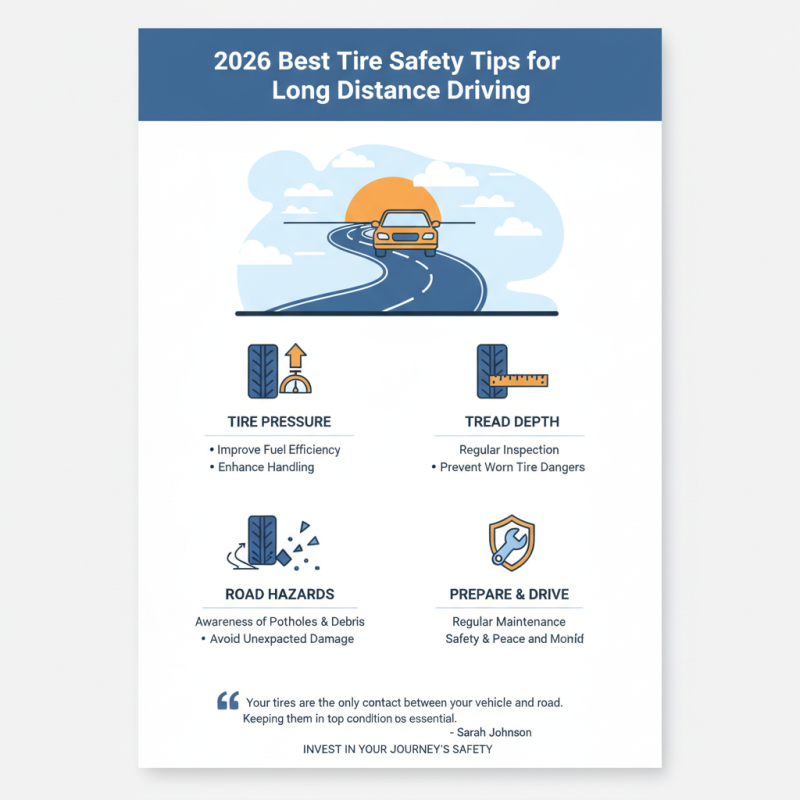
Long-distance driving can be both exhilarating and daunting. Proper tire care is crucial for a safe journey. According to Sarah Johnson, a leading expert in tire safety, “Your tires are the only contact between your vehicle and the road. Keeping them in top condition is essential.” This highlights the importance of safety tips for maintaining your tires during extended travels.
Understanding tire pressure is vital. Properly inflated tires improve fuel efficiency and enhance handling. Regularly inspecting tread depth is also necessary. Worn tires can lead to dangerous situations on the highway. Moreover, travelers should be aware of potential road hazards, such as potholes and debris, which can damage tires unexpectedly.
Incorporating these tire safety tips for long distance driving can prevent unforeseen complications. Regular maintenance creates confidence for drivers. A moment of neglect could lead to a blowout or accident. Ensuring your tires are ready is an investment in both safety and peace of mind. Prepare properly; your journey deserves it.
Long distance driving requires meticulous attention to tire health. A report from the National Highway Traffic Safety Administration reveals that nearly 33% of tire-related crashes are caused by insufficient tire maintenance. Regular tire inspections can help prevent such accidents. Checking tire tread depth, air pressure, and any visible damage is crucial before embarking on lengthy journeys. Treads should ideally have at least 2/32 of an inch of depth to ensure adequate grip.
Another key aspect is maintaining proper tire pressure. Under-inflated tires can reduce fuel efficiency by up to 3%, according to the Department of Energy. This means less money in your pocket over long trips. Many drivers overlook this detail, often leading to unnecessary wear and potential blowouts. Utilizing a reliable tire gauge can help keep pressure at optimal levels.
Even the most cautious drivers can face unexpected issues. A study suggests that 84% of drivers do not conduct regular tire checks, increasing the risk of costly repairs. It's easy to forget. However, this negligence can lead to dangerous situations on the road. Setting reminders to inspect tires regularly can cultivate safer driving habits and promote road safety.
Understanding tire pressure is crucial for safety during long-distance driving. Properly inflated tires enhance fuel efficiency. They also improve handling and reduce the risk of blowouts. Over-inflated tires wear unevenly in the center, while under-inflated ones can overheat and fail. Regularly checking tire pressure is essential, even if your tires look fine.
Use a reliable pressure gauge to check your tires when they are cold. The ideal pressure is usually found in the vehicle’s manual. A simple mistake can lead to serious issues on the road. It’s also wise to check the spare tire because a flat spare won’t help in an emergency. Don’t forget to check during seasonal changes. Temperature fluctuations can impact tire pressure significantly.
Creating a habit of checking tire pressure before long trips can save you from unexpected trouble. Remember, neglecting this simple task might lead to accidents or costly repairs. Regular maintenance shows that you respect your vehicle and prioritize safety. Being proactive helps prevent regrets on the road.
When preparing for long-distance driving, the importance of tire tread depth cannot be overstated. Adequate tread depth ensures better grip on various road surfaces. This grip is crucial, especially in adverse weather conditions like rain or snow. The depth of your tire tread influences stopping distance and vehicle stability. If your tires are worn down, your safety is at risk.
Measuring tread depth is simple. A quarter can be an effective tool. Insert it into the tread; if you see the outer edge, it’s time for new tires. Regular checks can prevent unexpected failures during a trip. Many drivers overlook this aspect, leading to dangerous situations.
While modern tires are designed to handle long distances, neglecting them can have dire consequences. A flat tire or blowout can cause accidents, resulting in injuries or worse. Drivers must remain vigilant and check their tires frequently. Safe driving starts with being proactive about tire maintenance. Every long journey begins with a single step: ensuring your tires are in optimal condition.
When planning a road trip, tire selection is vital. The right tires enhance safety and performance on various terrains and weather conditions. Consider all-season tires for moderate climates. They offer a balanced grip and durability for everyday driving. However, they may not handle extreme weather well, especially during heavy rain or snow.
In contrast, winter tires excel in cold, snowy conditions. Their unique tread patterns improve traction on ice and slush. But these tires wear faster in warmer weather. Switching to summer tires can help. They provide increased performance and better handling on dry roads. The dilemma is how to manage these transitions; tires take time to install and store.
Pay attention to tire pressure and tread depth regularly. Under-inflated tires grip poorly and increase fuel consumption. Check the manufacturer's recommendations for optimal air pressure. A simple gauge can help you keep your tires safe. Inspect your tires frequently. Look for uneven wear, which may signal misalignment or other issues. Taking these simple steps can enhance driving safety on long trips.
| Condition | Recommended Tire Type | Tread Depth (mm) | Optimal PSI | Tips |
|---|---|---|---|---|
| Dry | All-Season | 3.2 mm | 32-35 PSI | Check tire pressure regularly. |
| Wet | Summer Tires | 4.0 mm | 30-34 PSI | Ensure proper tread pattern for drainage. |
| Snow/Ice | Winter Tires | 6.0 mm | 28-30 PSI | Use chains for added traction if needed. |
| Mild Conditions | All-Season | 3.0 mm | 32-36 PSI | Rotate tires every 6,000 miles. |
| Extreme Heat | High-Performance Tires | 3.5 mm | 35-40 PSI | Monitor tire wear and pressure frequently. |
Long-distance driving can be an adventure, but it comes with risks. One significant risk is tire failure. According to the National Highway Traffic Safety Administration, tire-related issues cause over 11,000 accidents annually. An emergency tire repair kit is crucial for any road trip. It provides essential tools and materials to handle unexpected tire issues.
A well-equipped kit should include tire sealant, a mini compressor, and a jack. Tire sealant can fix small punctures instantly, allowing you to get back on the road quickly. A mini compressor helps to inflate flat tires, essential when you're miles away from help. Make sure to check your kit before hitting the road.
Don’t overlook the importance of tire maintenance. Regularly check tire pressure and tread depth. The pressure should match the vehicle’s specifications. Tread depth affects traction, especially in wet conditions. A simple penny test can gauge tread depth effectively. If the tread doesn't cover Lincoln’s head, consider replacing the tires. Adopting these practices ensures safer travels while being prepared for unforeseen events.
: Regular tire inspections prevent accidents. Nearly 33% of tire-related crashes are due to insufficient maintenance.
Check tread depth, air pressure, and any visible damage. Treads should ideally have at least 2/32 of an inch.
Under-inflated tires reduce fuel efficiency by up to 3%. This means more money spent on fuel over long trips.
About 84% of drivers fail to inspect their tires regularly. Forgetting can lead to dangerous situations on the road.
Use all-season tires for moderate climates. Winter tires are better for cold, snowy conditions, while summer tires excel in warmth.
Include tire sealant, a mini compressor, and a jack. These tools help handle unexpected tire issues effectively.
Use the penny test. If Lincoln's head is visible, consider replacing the tires for better traction.
Neglecting tire maintenance can lead to costly repairs and dangerous blowouts. Regular checks can mitigate these risks.
Tire pressure should be checked frequently. Always refer to the vehicle’s specifications for optimal levels.
Switching tires takes time and requires storage. However, this practice ensures safer driving under varying conditions.
In preparing for long distance driving, adhering to essential tire safety tips is crucial for a safe journey. Regular tire inspections play an important role in ensuring your vehicle is road-ready, allowing you to identify any potential issues before embarking on your trip. Understanding tire pressure is another key component of tire safety; maintaining optimal pressure not only enhances fuel efficiency but also promotes better handling and stability.
Additionally, evaluating tread depth is vital, as adequate tread is essential for traction, especially in challenging weather conditions. Choosing the right tires based on the forecast can significantly impact your safety while driving. Lastly, being equipped with emergency tire repair kits is advisable, as they can provide peace of mind and readiness in the event of unexpected tire issues during your travels. By following these tire safety tips for long distance driving, you can help ensure a smoother, safer experience on the road.
