 DUS Auto Parts
Tires do a quiet, demanding job: they carry the vehicle, grip wet pavement, and absorb bumps on rough roads. Yet their condition is easy to overlook until a warning light appears or the steering feels different. Small habits matter. Checking tire pressure with a reliable gauge, for example, can reveal a slow leak before it becomes a roadside problem. Use the pressure listed in your vehicle’s owner’s manual or door-jamb label, not the maximum printed on the tire sidewall.
The Best Tire Maintenance Tips For Long Lifespan begin with regular checks, not expensive equipment. Look for uneven tread wear, cracks, bulges, and nails; inspect when tires are cool, and never ignore a change in handling. Rotate tires according to the vehicle maker’s schedule, since wear patterns vary by drivetrain and tire type. Keep wheels properly aligned, too. A car that pulls to one side may need professional attention, though tire pressure can also affect how it tracks.
There’s no perfect routine. I’ve found that even careful drivers can miss wear on an inner shoulder, where it is hard to see. That is a useful reminder to check all the way across the tread, or ask a qualified technician during service. These ten practical tips can help extend tire life, support safer handling, and make replacement costs less surprising. They cannot prevent every puncture or guarantee a specific mileage. Tires age, roads differ, and good judgment still matters.
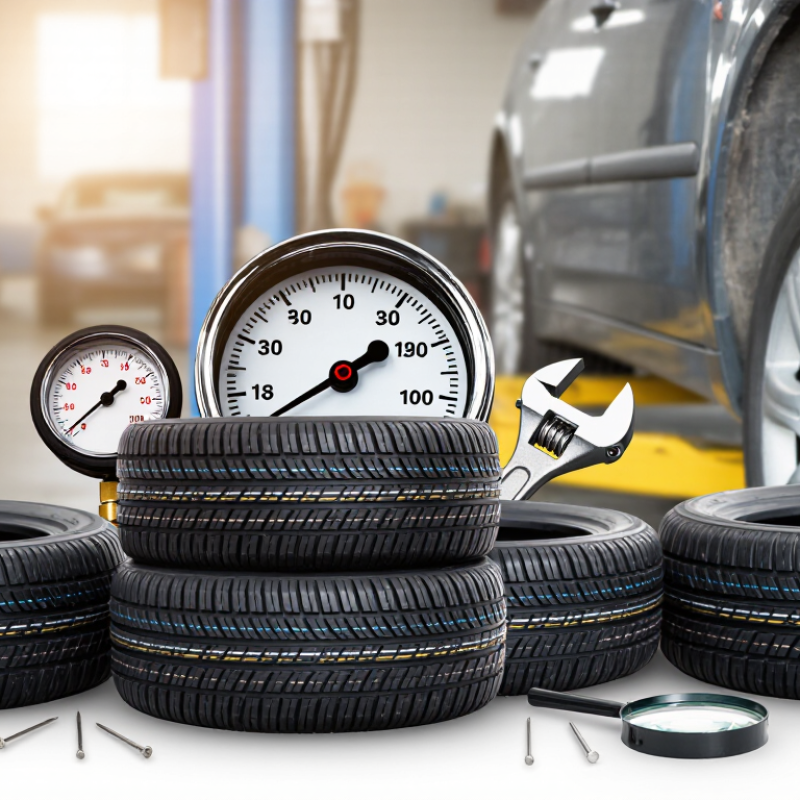
Check tire pressure when the tires are cold, ideally before driving or after the car has been parked for several hours. Use a reliable pressure gauge, not a quick glance at the sidewalls. The correct pressure is usually listed on the driver’s door placard or in the owner’s manual. Do not use the maximum pressure printed on the tire as your target; that figure is not the vehicle’s recommended setting. A few minutes with a gauge can prevent uneven wear and help the tires handle predictably.
Check all four tires about once a month, and before a long trip or carrying a heavy load. Measure each tire, including the spare if your vehicle has one. Compare the readings with the vehicle’s recommended pressure, then add air in small amounts and recheck. Pressure often drops as temperatures fall, so a tire that looked fine last week may be low on a cold morning. The dashboard warning system is useful, but it may alert you only after pressure has fallen significantly. I sometimes forget the spare, too. Keep a gauge in the car, and make the check part of a regular routine.
| # | Maintenance Tip | Recommended Check | What to Do | Why It Matters |
|---|---|---|---|---|
| 1 | Check tire pressure regularly | At least once a month, and before long trips | Measure pressure when tires are cold. Inflate to the vehicle manufacturer’s recommended pressure, usually shown on the driver-side door placard or in the owner’s manual. | Correct pressure helps reduce uneven wear and supports safe handling and fuel efficiency. |
| 2 | Use the vehicle’s recommended pressure | Whenever adjusting inflation | Use the pressure specified for the vehicle, not the maximum pressure printed on the tire sidewall. | The vehicle’s recommended setting is selected for its tires, load, and handling requirements. |
| 3 | Rotate tires as recommended | Follow the owner’s manual or tire-service guidance | Have the tires rotated in the pattern specified for the vehicle and tire type. Rotation intervals vary by vehicle and driving conditions. | Regular rotation can help promote more even tread wear across the set. |
| 4 | Check tread depth | Inspect periodically and before extended travel | Use a tread-depth gauge or built-in wear indicators. In the United States, tires are generally considered legally worn out at 2/32 inch of remaining tread; check local requirements. | Adequate tread is important for traction, especially on wet roads. |
| 5 | Inspect for damage and unusual wear | During routine pressure or tread checks | Look for cuts, bulges, cracks, embedded objects, or uneven wear. Have a qualified tire professional assess damage or persistent wear patterns. | Visible damage or unusual wear can signal a tire problem that needs prompt attention. |
| 6 | Check wheel alignment when needed | If the vehicle pulls, the steering wheel is off-center, or tires wear unevenly | Ask a qualified technician to inspect the alignment and suspension when symptoms appear, or after a significant impact. | Correct alignment helps reduce irregular tread wear and supports predictable steering. |
| 7 | Check wheel balance if vibration occurs | When steering-wheel or vehicle vibration develops | Have the wheels and tires inspected and balanced by a qualified service provider. | Proper balance can reduce vibration and help prevent uneven tire wear. |
| 8 | Keep tires and wheels clean | As needed, especially after exposure to road grime | Wash with mild soap and water. Avoid harsh chemicals that may damage tire materials, and do not use cleaning products that leave the tread slippery. | Cleaning makes it easier to notice damage and helps remove dirt and contaminants. |
| 9 | Maintain the spare tire | Check it monthly and before trips | Inspect its pressure, condition, and accessibility. Use the pressure and service guidance specified for the spare in the owner’s manual or on the vehicle placard. | A properly maintained spare is more likely to be ready when needed. |
| 10 | Follow load and speed limits | Before carrying heavy loads or driving at sustained high speeds | Stay within the vehicle’s load limits and the tire’s specified load and speed ratings. Consult the vehicle manual for guidance on pressure when carrying a load. | Overloading or exceeding tire limits can increase heat buildup and the risk of tire failure. |
Check when tires are cold, before driving or after several parked hours. A small gauge gives a useful reading.
Look on the driver’s door placard or in the owner’s manual. Do not use the tire’s maximum printed pressure as the target.
Check all four about once a month, and before long trips or heavy loads. Include the spare if your car has one. I sometimes forget it.
Compare each reading with the vehicle’s recommended pressure. Add air in small amounts, then measure again.
Use a tread-depth gauge in the main grooves. Measure inner, center, and outer areas on every tire. One groove can miss uneven wear.
Replace tires at 2/32 inch tread depth. Ask a tire professional to assess cuts, cracks, bulges, exposed cords, or lodged nails. A bulge is serious.
A common interval is every 5,000 to 8,000 miles. Follow your vehicle manual, since tire patterns and setups differ. Keep a mileage note.
The car may pull on a straight road, the steering wheel may sit off-center, or one tread edge may wear faster. A technician can check alignment. A smooth ride proves little.
Extending tire life starts with consistent care and a few practical habits. Check tire pressure regularly when the tires are cool, and inflate them to the vehicle manufacturer’s recommended level. Inspect the tread and sidewalls for uneven wear, cracks, bulges, or embedded objects, and replace tires when the tread becomes too shallow for safe performance. Rotating tires at suitable intervals helps distribute wear more evenly, while proper wheel alignment can prevent tires from wearing prematurely on one edge.
Wheel balancing can reduce vibration and encourage even tread wear, so have it checked if the steering wheel shakes or new wear patterns appear. Smooth acceleration, gentle braking, and careful cornering also help reduce unnecessary strain. When tires are not in use, store them in a clean, cool, dry place away from direct sunlight and heat. These Best Tire Maintenance Tips For Long Lifespan make routine checks easier and support reliable handling over time.
