DUS Auto Parts
Choosing tires is not simply a matter of selecting the most expensive set. Road texture, rainfall, temperature, driving speed, and vehicle weight all affect tire performance. The right choice can feel calm on wet asphalt and controlled on loose gravel. The wrong choice may feel acceptable until an emergency begins.
NHTSA’s Traffic Safety Facts report recorded 738 deaths in tire-related crashes in 2017. Its findings highlight risks linked to underinflation, worn tread, overloading, and tire failure. These problems often develop quietly. A tire can look normal while losing grip or pressure. The U.S. Tire Manufacturers Association also emphasizes regular pressure checks, tread inspections, and correct load ratings as core safety practices.
This guide presents five practical Tips For Choosing Tires For Different Road Conditions. It considers wet streets, snow, highways, rough roads, and mixed everyday driving. Tire labels matter. So do climate, driving habits, and the vehicle manufacturer’s specifications. The U.S. Department of Energy reports that underinflated tires can reduce fuel economy, with effects increasing as pressure drops. That creates unnecessary cost and may weaken handling.
Small details matter.
However, no tire performs perfectly everywhere. All-season tires may compromise in deep snow, while aggressive winter tires can feel less precise on warm, dry pavement. I have found that drivers often focus on tread appearance and overlook pressure changes caused by temperature. That mistake deserves more attention. Use these recommendations as a careful starting point, then confirm the final choice with the owner’s manual, a qualified tire professional, and current local conditions.
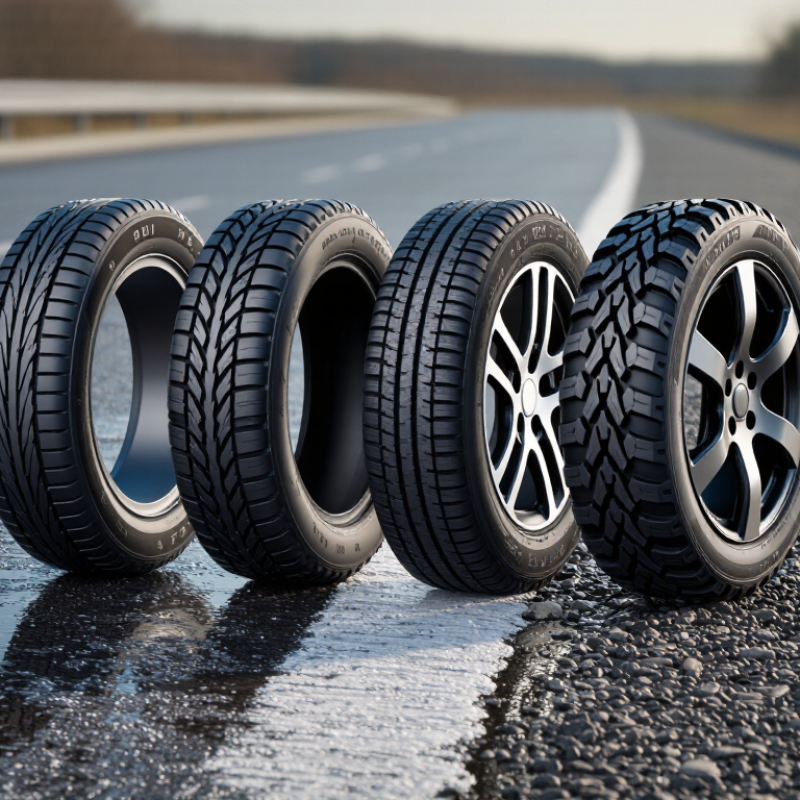
5 Best Tips for Choosing Tires for Different Road Conditions
Classify Road Conditions Before Choosing Tires: Dry, Wet, Snow, or Gravel
Choosing tires starts with identifying the roads you actually drive. Dry asphalt rewards firm tread blocks and stable cornering. Wet roads need clear drainage grooves and dependable wet grip. I once underestimated a short rainy route; worn tread made braking feel noticeably longer. That mistake changed how I inspect tires.
Snow requires flexible rubber, deeper grooves, and many small biting edges, often called sipes. Severe winter conditions may demand dedicated winter tires rather than general all-season designs. Gravel is different again. Strong sidewalls and reinforced construction can reduce damage from sharp stones. Not all gravel is gentle.
Match the tread pattern to your common route, not your ideal weekend drive. Check the tire’s load and speed ratings against your vehicle specifications. Inspect pressure when tires are cold, because heat changes the reading. Look closely for uneven wear, cuts, bulges, or stones trapped in grooves. Small defects matter.
Consider changing tires when seasons shift, especially where temperatures fall below freezing. However, replacing them too early can waste useful tread. I still find this judgment difficult after mild winters. Keep records of mileage, pressure, and rotation dates. Those notes reveal patterns that a quick visual check can miss. If roads change daily, choose a balanced design and drive more cautiously on unfamiliar surfaces.
Typical tire–road friction coefficient ranges by surface
Dry asphalt generally provides the highest available grip, while wet asphalt, packed snow, and loose gravel reduce traction. Choose tires with strong wet braking performance for rainy conditions, certified winter traction for snow and ice, and reinforced construction with deeper tread for gravel roads. The values shown are representative engineering ranges and can change with speed, temperature, tread depth, tire pressure, and surface quality.
When temperatures regularly fall below 7°C, winter tires deserve serious consideration. The U.S. Tire Manufacturers Association explains that winter compounds remain more flexible in cold weather. That flexibility can improve braking and traction on icy, snowy, or frozen roads. All-season tires may feel firm and less responsive as temperatures drop.
Check five details before choosing.
Look for a certified winter symbol, not just deep tread. Compare the tire’s snow, ice, and wet-road performance. Measure tread depth with a gauge, because visual inspection can mislead. Inspect sidewalls for cracks, bulges, or uneven wear. Finally, confirm the correct size and load rating in your vehicle manual.
Cold weather changes tire pressure, too. Check it monthly with a reliable gauge, preferably before driving. A snowy driveway, a shaded bridge, and a wet city street create different demands. Choose based on your usual route, not one dramatic storm. I once underestimated how quickly cold pavement reduced grip during a short morning trip. That mistake was small, but the lesson was not.
The 7°C guideline is useful, not absolute. Road surface, driving speed, vehicle weight, and local weather patterns also matter. Install winter tires before temperatures stay low, rather than waiting for the first snowfall. Keep four matching tires on the vehicle for balanced handling. Recheck pressure after installation. Conditions change.
Choosing tires for changing roads starts with wet grip, not appearance. NHTSA guidance identifies 2/32 inch as the replacement point for remaining tread depth. Do not wait for a visibly smooth tire. A tire can look acceptable yet lose water-clearing ability. The AAA Foundation reported that tires worn to 2/32 inch needed about 43% more stopping distance on wet pavement than new tires. That difference can equal several car lengths near a crosswalk.
Tip 1: Check tread depth monthly with a gauge.
Tip 2: Replace tires at 2/32 inch, or earlier before heavy rain seasons.
Tip 3: Look for uneven wear, cracks, and exposed cords.
Tip 4: Choose a tire with strong wet-traction test results, not only a low price.
U.S. Tire Manufacturers Association guidance also stresses correct inflation for stability and tread life. Check pressure when tires are cold. A door-jamb label is more reliable than memory.
Personal driving experience matters, but it can mislead. I once trusted a quiet, comfortable tire too long. The tread looked fine. Rain proved otherwise. Check all four tires, because one weak tire can change the vehicle’s behavior.
Sadly, replacement timing is easy to postpone. Your stopping distance will not negotiate.
Choosing tires for changing roads starts with the vehicle placard, not a sales display. The placard lists the recommended tire size, cold inflation pressure, and load requirements. It may also show the correct speed rating. These details are matched to the vehicle’s design and expected performance.
USTMA guidance emphasizes replacing tires with equal or higher load and speed ratings. A higher rating does not automatically improve safety if inflation is ignored. Check the pressure when tires are cold, ideally before driving. Underinflation can increase heat, wear, and handling difficulty on wet roads. Overloading creates similar risks, even when the tires appear properly inflated. Do not guess.
I have found that drivers often compare tread patterns first. That is understandable, but the sidewall markings deserve equal attention. The load index indicates how much weight each tire can carry at its rated pressure. The speed symbol identifies the tire’s tested speed capability under specified conditions. Both ratings must suit the vehicle placard and driving needs. A tire that feels comfortable on dry pavement may not perform as confidently on gravel, rain, or snow. Weather changes quickly. Recheck the placard after carrying heavy cargo, and ask a qualified tire professional when markings are unclear. I sometimes overlook small sidewall symbols, so reading them twice is worthwhile.
Choosing tires for different roads starts with a simple habit: check tire pressure every month. The NHTSA recommends this maintenance practice because pressure affects grip, braking, fuel use, and tire life. A properly inflated tire responds more steadily on wet asphalt, gravel, and uneven pavement. Check pressure when the tires are cold. Heat from driving can raise the reading and create a false impression.
Use a reliable gauge and follow the pressure listed on the vehicle’s door label or owner’s manual. Do not use the maximum number printed on the tire sidewall as your target. Inspect the spare tire too. It is easy to forget. A two-pound difference may seem minor, but uneven pressure can change steering feel during an emergency stop. Cold mornings can also reduce pressure, so seasonal checks matter.
I once assumed a visual inspection was enough. It was not. One tire looked normal but measured noticeably low. That mistake made the vehicle feel heavy on a winding road. Look for cracks, bulges, exposed cords, and uneven tread wear before choosing tires for a specific surface. Deeper grooves may help disperse water, while a sturdy construction can suit rough roads. Still, tire selection cannot correct neglected maintenance. A gauge in the glove compartment helps. So does a monthly calendar reminder.
| Tip | Road Condition | Recommended Tire Characteristics | Key Selection or Maintenance Data | Practical Safety Action |
|---|---|---|---|---|
| 1 | Dry highways and city roads | Choose tires with a tread pattern suited to normal road use, a load index that meets or exceeds the vehicle requirement, and a speed rating suitable for the vehicle. | Confirm the required tire size, load capacity, and speed rating on the vehicle information placard and in the owner’s manual. Do not select a tire below the vehicle manufacturer’s specifications. | Keep tires properly inflated, inspect for uneven wear, and rotate them according to the vehicle manufacturer’s maintenance schedule. |
| 2 | Rain, standing water, and wet roads | Select tires with open water-evacuating grooves and adequate tread depth. A well-maintained tread helps move water away from the contact area. | The U.S. legal minimum tread depth is commonly 2/32 inch, but wet-road performance can decline before that point. Replace tires showing worn tread indicators, cracking, bulges, or other damage. | Check tread condition regularly, slow down in heavy rain, and avoid driving through deep or moving water whenever possible. |
| 3 | Snow, ice, and freezing temperatures | Use tires designed for winter conditions when temperatures regularly approach freezing. Winter tires use rubber compounds and tread designs intended to remain more flexible in cold weather. | Look for the Three-Peak Mountain Snowflake symbol when severe-snow performance is required. All-season tires may be suitable for moderate conditions but are not equivalent to dedicated winter tires in severe snow. | Install winter tires as a complete set when appropriate, maintain matching tires on all four wheels, and check pressure more often because cold temperatures reduce inflation pressure. |
| 4 | Gravel, dirt, and unpaved roads | Choose tires with construction and tread suitable for the vehicle’s intended use. More durable sidewalls and reinforced designs can be helpful where sharp stones or rough surfaces are common. | Verify that the tire’s load capacity matches the vehicle and cargo. Examine the sidewalls and tread after driving on rough roads, especially for cuts, punctures, or embedded objects. | Drive at an appropriate speed, avoid overloading the vehicle, and repair or replace damaged tires rather than continuing to use visibly compromised tires. |
| 5 | Everyday use and changing road conditions | Select tires that match the vehicle, climate, typical road surface, expected load, and driving habits rather than choosing by appearance alone. | Check tire pressure at least monthly and before long trips, using a reliable gauge when the tires are cold. Use the pressure listed on the vehicle placard or in the owner’s manual, not the maximum pressure molded on the tire sidewall. | Inspect all four tires and the spare, check for irregular wear, and have alignment, balancing, or suspension problems corrected when necessary. |
Consider them when temperatures regularly fall below 7°C. Their rubber stays more flexible in cold weather. Cold changes grip.
No. Road surfaces, speed, vehicle weight, and local weather also matter. A shaded bridge may stay slippery after nearby roads clear.
Look for a certified winter symbol, suitable size, and correct load rating. Compare snow, ice, and wet-road performance. Do not judge tread depth by sight alone.
The vehicle placard lists the required size, pressure, load, and sometimes speed rating. Choose equal or higher ratings. Do not guess.
Check it monthly with a reliable gauge. Measure before driving, while the tires are cold. Check the spare tire too.
No. Use the pressure on the door label or in the owner’s manual. The sidewall number is not usually the target pressure.
Yes. Correct pressure supports steadier handling on wet asphalt, gravel, snow, and uneven pavement. Underinflation can increase heat and wear.
Check for cracks, bulges, exposed cords, and uneven wear. A tire may look normal but measure dangerously low. Visual checks can mislead.
Yes. Install them before temperatures remain low, rather than waiting for one dramatic storm. Keep four matching tires for balanced handling.
Do not focus only on tread patterns or dry-road comfort. Read the sidewall markings twice. Conditions change.
Choosing the right tires begins with identifying the road conditions you face most often. For dry roads, focus on stable handling and responsive braking. Wet roads require strong traction and effective water displacement, while snowy or icy conditions call for winter tires when temperatures regularly fall below 7°C. Gravel roads may require tires with tougher construction and deeper tread for improved durability and control. These Tips For Choosing Tires For Different Road Conditions can help drivers select tires that better match their climate, routes, and driving needs.
Safety also depends on choosing the correct load and speed ratings listed on the vehicle placard. Tires should be replaced when the tread reaches 2/32 inch, especially if wet-road grip has noticeably declined. In addition, check tire pressure at least once a month and before long trips, since incorrect pressure can reduce handling, increase wear, and affect fuel efficiency. Regular inspections and timely replacement help maintain reliable performance in changing road conditions.
