DUS Auto Parts DUS Auto Parts

Best Practices For Tire Pressure Monitoring Systems Explained

Time:2026-05-11 Author:Ethan
0%

Tire pressure monitoring systems (TPMS) are crucial for vehicle safety and efficiency. Proper management of tire pressure is essential. Understanding the best practices for tire pressure monitoring can help prevent accidents and improve fuel efficiency.

Many drivers often overlook tire maintenance. They might not realize the impact of improper tire pressure. This can lead to premature tire wear and increased fuel consumption. Best practices for tire pressure monitoring include regular system checks and awareness of tire conditions. It is necessary to educate drivers on the importance of maintaining optimal tire pressure.

Incorporating advanced technology in TPMS can enhance performance. Yet, a lack of knowledge can leave drivers vulnerable. Continuous learning and adaptation to new practices will ensure safety on the road. Embracing these best practices for tire pressure monitoring is a step towards better vehicle performance and driver safety.
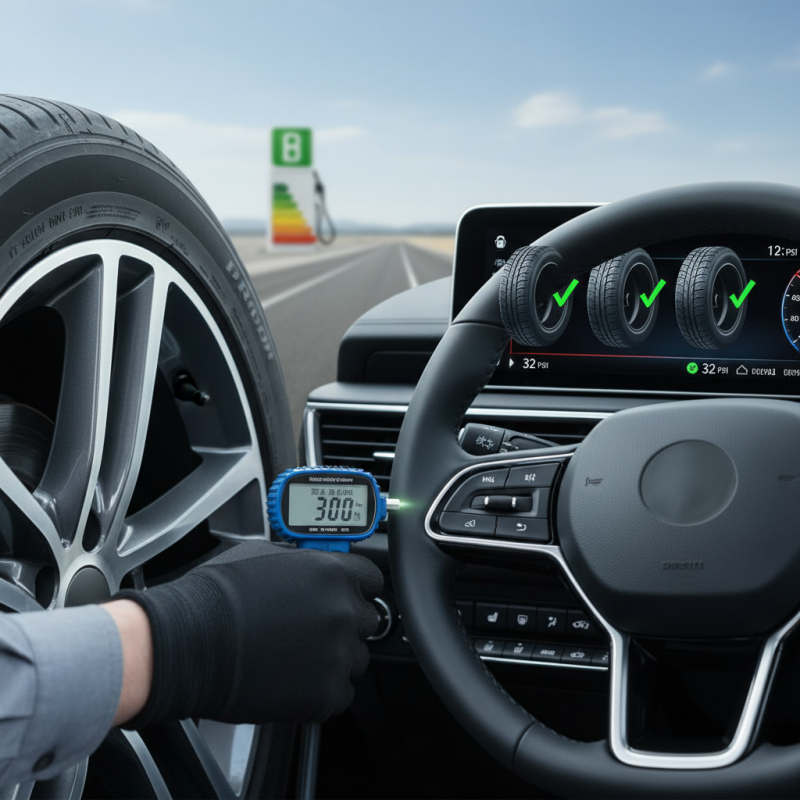
Best Practices For Tire Pressure Monitoring Systems Explained

Understanding Tire Pressure Monitoring Systems (TPMS)

Tire Pressure Monitoring Systems (TPMS) are crucial for vehicle safety. They provide real-time data on tire air pressure. This technology alerts drivers when a tire is under-inflated. Maintaining proper tire pressure can enhance fuel efficiency and extend tire life.

Regularly check your TPMS. Sometimes, the system can give false alerts. If you notice a warning light but the tires seem fine, inspect them manually. It’s essential to have the right tools at hand. A simple tire gauge can provide accurate readings. Keeping tires properly inflated helps in maintaining grip and stability.

Another tip is to understand your vehicle’s specific requirements. Different vehicles might require different tire pressures. Refer to the owner’s manual for precise information. Over-inflated or under-inflated tires can lead to uneven wear. Regular monitoring is key. Reflecting on your experiences with TPMS can help improve your driving habits.

Importance of Maintaining Proper Tire Pressure

Maintaining proper tire pressure is crucial for vehicle safety and performance. Under-inflated tires can lead to reduced traction and longer stopping distances. A simple drop in pressure may go unnoticed, but the consequences can be severe. For instance, a tire with just 10% less air can decrease fuel efficiency by over 3%. That adds up quickly at the pump.

On the other hand, over-inflated tires can cause uneven wear. This leads to shorter tire life and creates a harsher ride. Not everyone checks tire pressure regularly, often forgetting this important maintenance step. Many drivers overlook the gauge reading, believing they can gauge pressure by feel. This approach can be misleading and dangerous.

Establishing a routine to check tire pressure is essential. Cars should be parked in a shaded area, and pressure should be checked when the tires are cold for accurate results. A reliable tire pressure monitoring system can help, but it's not infallible. Regular manual checks are still necessary. Whatever the method, being proactive is key. Proper tire maintenance is not just about safety; it's also about efficient driving.

Types of Tire Pressure Monitoring Systems

Tire pressure monitoring systems (TPMS) play a crucial role in vehicle safety. There are two main types: direct and indirect TPMS. Direct systems use sensors installed in each tire to measure pressure. These sensors provide real-time data to the driver. According to a report from the National Highway Traffic Safety Administration (NHTSA), proper tire pressure can enhance fuel efficiency by 3% to 5%. This number underscores the significance of having an accurate monitoring system.

Indirect TPMS, on the other hand, relies on wheel speed sensors. It measures the rotation speed of each tire to infer pressure changes. While this method is less accurate, it serves as a viable alternative. In a study conducted by the Tire Industry Association, ineffective monitoring leads to a higher likelihood—about 24%—of tire-related accidents. This statistic highlights the need for reliable TPMS implementation.

Recent findings indicate that around 25% of vehicles on the road have under-inflated tires. These conditions remain problematic despite the availability of modern TPMS. Drivers often overlook the importance of regular maintenance. TPMS systems, whether direct or indirect, require periodic checks to ensure they function correctly. Without proper upkeep, the potential benefits of these systems diminish significantly.

Best Practices For Tire Pressure Monitoring Systems Explained - Types of Tire Pressure Monitoring Systems

Type of TPMS Description Advantages Disadvantages
Direct TPMS Uses sensors in each tire to measure pressure directly. Provides accurate real-time pressure readings. Higher cost of sensors and potential for sensor failure.
Indirect TPMS Uses the vehicle's ABS to monitor wheel speed and calculates pressure indirectly. Lower cost, no additional sensors required. Less accurate and unable to provide real-time pressure.
Advanced TPMS Enhanced systems that may integrate with smartphone apps for additional data. Offers comprehensive tire health insights and alerts. Can be complex and require updates or subscriptions.

Best Practices for TPMS Installation and Maintenance

Tire Pressure Monitoring Systems (TPMS) play a crucial role in vehicle safety and efficiency. Proper installation and maintenance are essential to ensure that these systems function effectively. According to industry standards, it is vital to verify the TPMS sensor compatibility with your vehicle before installation. This minimizes errors and enhances reliability.

Regularly checking the tire pressure is equally important. Studies show that approximately 30% of vehicles on the road have at least one under-inflated tire, which can lead to increased fuel consumption and tire wear. Tire pressure should be monitored at least once a month. Neglecting this can result in poor performance and safety issues.

When maintaining TPMS, periodic sensor checks are necessary, as these components have a limited lifespan. The typical lifespan of a TPMS sensor is around five to ten years. It's also crucial to recalibrate or reset the TPMS after any tire rotation or replacement. Overlooking these steps can compromise the system’s effectiveness. Engaging in best practices ensures optimal vehicle performance, enhancing both safety and efficiency on the road.

Common Issues with TPMS and How to Troubleshoot them

Tire Pressure Monitoring Systems (TPMS) are critical for vehicle safety. However, they can experience issues that may disrupt their functionality. Car owners often encounter warning lights that stay illuminated, indicating a potential problem. This could stem from low tire pressure, but it's not always a straightforward fix. A common oversight is adjusting tire pressure without checking the temperature. Cold weather can cause pressure drops, leading to false alarms.

Other issues include malfunctioning sensors. These sensors may fail due to corrosion or battery depletion. Owners might not know that TPMS sensors have a limited lifespan. This can lead to unexpected warnings and, ultimately, costly repairs. Regular maintenance checks can help identify potential problems early.

Drivers should remain vigilant about warning signs. Ignoring them can lead to unsafe driving conditions. Additionally, not all vehicles come with the same TPMS technology. Understanding your system is essential. Familiarizing yourself with the specifications can prevent misunderstandings during troubleshooting. Awareness and proactivity are key to maintaining an effective TPMS.

TPMS Common Issues and Troubleshooting

FAQS

: Why is maintaining proper tire pressure important?

: Proper tire pressure affects safety and performance. Under-inflated tires can reduce traction and lengthen stopping distances.

What can happen if tires are under-inflated?

Even a 10% drop in air pressure can reduce fuel efficiency by over 3%. This adds significant costs over time.

How do over-inflated tires affect vehicle performance?

Over-inflated tires lead to uneven wear. This decreases tire life and results in a harsher ride.

How often should tire pressure be checked?

It’s best to check tire pressure at least once a month. Many drivers forget this important maintenance step.

When is the best time to check tire pressure?

Tire pressure should be checked when tires are cold. Parking in a shaded area can help ensure accurate results.

What is the lifespan of a TPMS sensor?

TPMS sensors typically last between five to ten years. Regular checks are necessary to maintain their effectiveness.

What should drivers do if the TPMS warning light is on?

The light may indicate low tire pressure or sensor issues. It’s essential to investigate and resolve the cause promptly.

Can weather affect tire pressure?

Yes, cold weather can cause tire pressure to drop. This may trigger false alarms in the TPMS system.

Why is manual tire pressure checking still important?

While TPMS helps, it’s not infallible. Regular manual checks ensure accurate monitoring and can prevent safety issues.

What does it mean when TPMS sensors malfunction?

Malfunctioning sensors can result from corrosion or battery issues. Awareness of these common problems is crucial for drivers.

Conclusion

Tire Pressure Monitoring Systems (TPMS) play a crucial role in ensuring vehicle safety and performance by alerting drivers to tire pressure issues. Understanding TPMS is essential, as maintaining proper tire pressure not only enhances fuel efficiency but also extends tire longevity. This article outlines the various types of TPMS available and emphasizes the importance of following best practices for tire pressure monitoring.

To maximize the effectiveness of TPMS, installation and regular maintenance should be conducted meticulously. Common issues such as sensor failure or inaccurate readings can be addressed through proper troubleshooting techniques. By adhering to the best practices for tire pressure monitoring, drivers can maintain optimal tire conditions, ensuring both safety and efficiency on the road.

Ethan

Ethan

Ethan is a seasoned marketing professional with a deep expertise in our company's innovative product line. With a passion for sharing knowledge and insights, he takes the lead in regularly updating our corporate blog, where he explores industry trends, product features, and effective marketing......