DUS Auto Parts
Tires are essential for safe driving and vehicle performance. Proper care can extend their lifespan significantly. Adopting the "Best Driving Habits To Protect Your Tires" can make a difference. Many drivers overlook this, leading to premature tire wear.
One important habit is maintaining proper tire pressure. Under or over-inflated tires can wear out unevenly. Regular checks can save you money and enhance safety. Speeding over potholes or curbs can also cause damage. Drivers often feel invincible on the road but need to be mindful of their surroundings.
Rotation and alignment play pivotal roles too. Neglecting these can result in uneven wear. Many think they can ignore this, but it’s essential for longevity. Taking a moment to inspect your tires can prevent future headaches. The choice of driving habits can either extend tire life or lead to costly replacements.
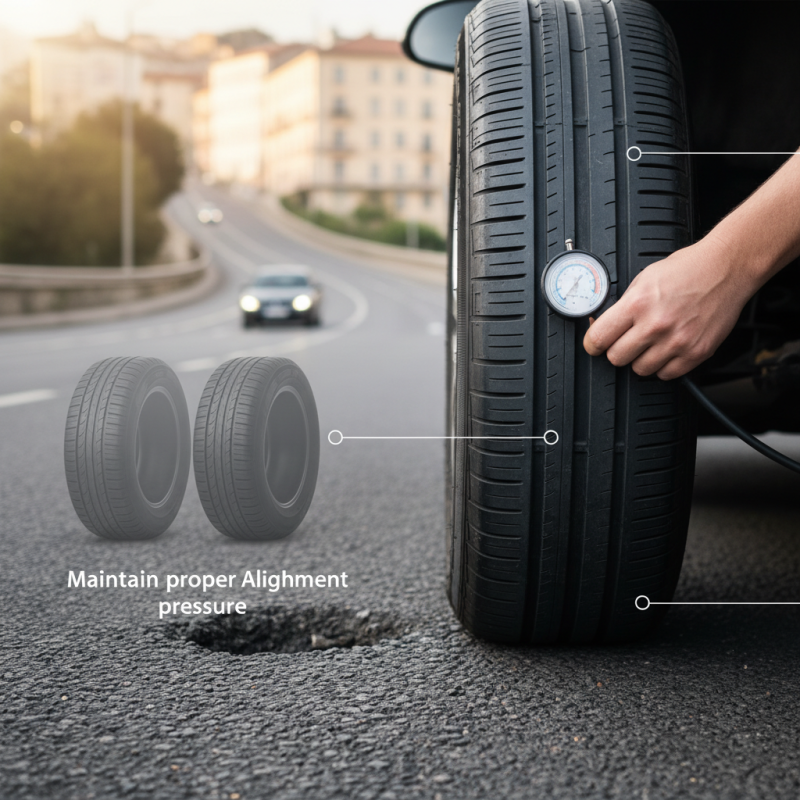
Driving habits play a crucial role in determining tire longevity. Many drivers are unaware that simple changes can significantly impact tire life. For instance, aggressive acceleration and hard braking can cause uneven tread wear. Smooth driving helps distribute the tire's load evenly. Avoiding rapid starts and stops can extend tire lifespan.
Moreover, maintaining proper tire pressure is essential. Under-inflated tires can wear out faster and increase fuel consumption. Regularly checking tire pressure ensures they function efficiently. It's also important to rotate tires regularly. This practice helps maintain even wear across all tires. Drivers often neglect this, leading to premature tire replacement.
Additionally, road conditions influence tire durability. Potholes and rough surfaces can damage tires. Being mindful of road hazards can save tires from unnecessary wear. It’s easy to overlook minor bumps, but these can lead to bigger issues. Reflecting on driving habits reveals areas for improvement. Adopting better habits can lead to lower costs and safer driving experiences. Making small adjustments today can benefit tires tomorrow.
The following chart shows the impact of different driving habits on tire longevity. The data reflects the average tire lifespan (in thousands of miles) based on driving habits.
Proper tire maintenance is crucial for extending tire life and ensuring safe driving. Regularly check tire pressure. Under-inflated tires can lead to excessive wear and reduced fuel efficiency. Use a reliable gauge to measure pressure at least once a month. Don’t forget about the spare tire!
Rotate your tires every 5,000 to 7,000 miles. This practice promotes even wear across all tires. Uneven wear can lead to premature replacements. Inspect the tread depth regularly. A depth of 2/32 inch or less indicates it’s time for a new set.
Additionally, wheel alignment and balancing are key. Misalignment causes tires to wear out faster. If your steering wheel pulls to one side, it’s a sign to get it checked. Pay attention to unusual vibrations during driving. These can indicate deeper issues, possibly involving the tires. Always address them promptly. Proper tire maintenance not only saves money but also enhances safety on the road.
Smooth driving significantly impacts tire longevity. One important technique is gentle acceleration. Sudden starts put extra stress on tires. This leads to uneven wear. Aim for gradual speed increase to protect your tires. It not only prolongs their life but also enhances fuel efficiency.
Equally important is consistent braking. Abrupt stops can cause rapid deterioration. Instead, begin braking early and smoothly. This practice not only aids in tire preservation but also enhances overall vehicle control. Keeping a safe distance from the car ahead allows for more measured driving, reducing emergency stops.
Make sharp turns cautiously. Tires experience extra strain during tight maneuvers. Instead of cutting corners, take turns gently. This simple adjustment can reduce friction and help maintain better tire condition over time. Small changes can offer significant benefits. Reflecting on these habits may lead to safer, longer-lasting tires.
Proper tire inflation is crucial for extending tire life. Over-inflated or under-inflated tires can lead to uneven wear and reduced lifespan. Regularly checking tire pressure can help prevent these issues. Ideally, inflation should align with the manufacturer's specifications. Driving on tires that are not properly inflated can lead to decreased fuel efficiency. This means you may end up spending more on gas.
Tips for maintaining proper tire inflation include checking the pressure monthly. Don't forget to inspect tires when they're cold. Hot tires give an inaccurate reading. Use a reliable pressure gauge for precise measurements. Adjust the pressure if needed. This practice can improve your tires' durability significantly.
Another critical aspect is monitoring the tread depth. Worn treads can increase the risk of blowouts. Look for signs of uneven wear. For instance, the outer edges may wear faster if your tires are over-inflated. Reflecting on these details can help improve your driving habits. Keeping your tires properly inflated is an easy yet effective way to extend their lifespan and enhance safety on the road.
Seasonal changes can significantly impact tire performance. In winter, cold temperatures can cause tire pressure to drop. Maintaining proper inflation is crucial. Check tire pressure at least once a month. Under-inflated tires wear unevenly and can compromise safety.
In summer, heat leads to higher tire temperatures. This can increase wear rates, especially if tires are worn down. Ensure your tires have sufficient tread depth. Investing in a tire tread depth gauge is wise. A simple test like the penny test can determine if your tires need replacement.
Change your driving habits based on the season. In wet conditions, avoid sudden starts and stops. This improves traction and prolongs tire life. Defensive driving can reduce wear too. Be cautious and adapt your driving style to the road conditions. Reflect on your driving habits. Are you accelerating too quickly? Do you brake sharply? Small adjustments can lead to significant benefits over time.
| Driving Habit | Benefits | Seasonal Tips |
|---|---|---|
| Regular Tire Pressure Checks | Prevents uneven wear and improves fuel efficiency | Check pressure monthly; adjust for seasonal temperature changes |
| Smooth Acceleration and Braking | Reduces tire stress and increases longevity | Adapt to road conditions; avoid sudden stops in wet weather |
| Regular Wheel Alignment | Prevents uneven tire wear and enhances handling | Check after hitting potholes or during seasonal tire changes |
| Proper Load Management | Avoids overloading that can damage tires | Follow load limits; distribute weight evenly during road trips |
| Tire Rotation | Promotes even wear pattern and extends tire life | Rotate every 5,000 to 7,000 miles or before seasonal changes |
: You should check your tire pressure at least once a month to ensure proper inflation.
Rotating tires every 5,000 to 7,000 miles promotes even wear and prevents premature replacements.
A tread depth of 2/32 inch or less means it's time for a new set of tires.
If your steering wheel pulls to one side, it may indicate misalignment needing attention.
Address unusual vibrations promptly as they may indicate deeper issues with the tires.
Gentle acceleration and consistent braking can significantly reduce tire wear.
Take turns gently to reduce strain on tires and maintain better tire condition.
Properly inflated tires improve fuel efficiency and reduce excessive wear.
Ignoring uneven wear can lead to costly replacements and compromise safety on the road.
Yes, abrupt stops can cause rapid deterioration and should be avoided for better tire health.
The article "Best Driving Habits That Extend Tire Life for Global Buyers" explores how driving habits significantly influence tire longevity. It emphasizes understanding the impact of various driving behaviors, such as acceleration and braking techniques, which can either contribute to increased wear or help maintain tire integrity. Essential maintenance practices like regular tire rotations and inspections are outlined as crucial for extending tire life.
Additionally, the article highlights techniques for smooth driving to reduce tire wear and underlines the importance of maintaining proper tire inflation for durability. Seasonal driving tips are also provided for optimal tire performance, ensuring that drivers can adapt their habits according to changing weather conditions. By adopting these insights and embracing the best driving habits to protect your tires, drivers can enhance their safety and extend the lifespan of their tires, ultimately leading to cost savings and improved vehicle performance.
