DUS Auto Parts DUS Auto Parts

7 Smart Tire Maintenance Tips Every Driver Needs

Time:2026-10-27 Author:Mason
0%

Tires are the only parts of a vehicle touching the road, yet many drivers inspect them only after a warning light appears. That delay can affect braking, steering, fuel use, and wet-road stability. The U.S. Tire Manufacturers Association recommends checking inflation pressure at least monthly and before long trips. Its guidance also notes that tires can lose about one pound per square inch each month through normal seepage. Small losses matter.

This guide presents Smart Tire Maintenance Habits For Drivers through seven practical checks. You will learn how to measure pressure when tires are cold, read tread wear indicators, inspect sidewalls, and recognize uneven wear. The National Highway Traffic Safety Administration identifies tire-related problems as a significant vehicle safety concern and advises drivers to follow the placard pressure, not the maximum pressure printed on the tire. That distinction is easy to miss.

Look closely. A tire may appear fine while carrying too little air. AAA research has found that many vehicles on American roads have at least one significantly underinflated tire. The exact risk varies with speed, load, temperature, and road surface, so no single habit solves everything. I have also seen drivers rely too heavily on dashboard monitoring systems. These systems are useful, but they may not warn about slow damage or irregular wear immediately. A five-minute inspection can reveal a nail, bulge, or worn shoulder before a difficult drive. These recommendations reflect manufacturer guidance, professional safety research, and practical roadside experience. Still, maintenance is not perfect. Careful drivers can miss hidden damage. When doubt remains, ask a qualified tire professional.
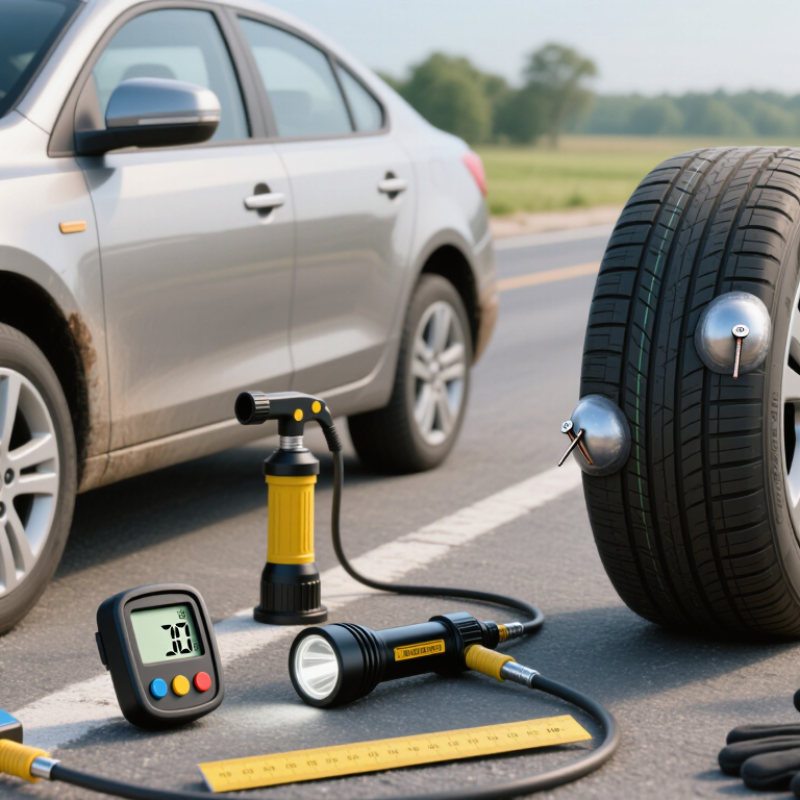
7 Smart Tire Maintenance Tips Every Driver Needs

Learn How to Check Tire Pressure Correctly

A tire-pressure check starts with the vehicle placard, not the tire sidewall. The placard, usually inside the driver’s door, lists the correct cold pressure. The sidewall shows a maximum limit, not the everyday target. Check all four tires monthly, as recommended by the National Highway Traffic Safety Administration (NHTSA), and inspect the spare when possible.

Cold means the car has rested for at least three hours. Remove the valve cap, press a reliable gauge straight onto the valve, and read the number. Add or release air in small amounts. Recheck after each adjustment. A faint hiss can change the result.

Do not judge pressure by appearance; a tire may look normal while seriously underinflated. The U.S. Department of Energy reports that each 1 psi loss across tires can reduce fuel economy by about 0.2 percent.

Pressure changes with temperature, roughly 1 psi for every 10°F shift. That makes a winter morning reading different from an afternoon reading. NHTSA’s tire-safety guidance also links underinflation with heat buildup, handling problems, and increased failure risk. I sometimes forget the spare, which is exactly why a written monthly reminder helps. Tire pressure monitoring systems are useful warnings, but they may alert only after pressure has already dropped. Check the gauge manually, especially before carrying heavy loads or driving long distances. A bent valve stem, cracked sidewall, or repeated pressure loss needs professional inspection. Don’t keep guessing.

Inspect Tread Depth and Identify Uneven Wear

Inspect your tires when they are cold, preferably in daylight. A tread-depth gauge gives a more reliable reading than a quick visual glance. Check several points across each tire, not just the center groove. Compare the measurement with your vehicle manual and local safety requirements.

Uneven wear often reveals a problem before a tire fails. Worn shoulders may suggest underinflation, while a smooth center can indicate excessive pressure. Feathered edges may point to alignment trouble. Cupped patches can come from worn suspension parts or poor wheel balance. Run your palm lightly across the tread. Your eyes may miss ridges that your hand detects immediately. It is easy to overlook the inner edge, especially with low-clearance vehicles.

Tip: Look for tread-wear indicators inside the grooves. If the tread is level with them, arrange professional inspection soon. Check for cracks, bulges, embedded objects, or exposed cords as well. Rotate tires only according to the vehicle manufacturer’s guidance. Rotation cannot correct an alignment problem. I sometimes see drivers measure one tire and assume the others match. That shortcut is unreliable. Record the readings and inspect all four tires every month, or before long trips. If the wear pattern changes quickly, stop guessing and have a qualified technician check pressure, alignment, balance, and suspension components.

Rotate Tires to Promote Even Performance

Rotating tires helps maintain even tread wear and predictable handling. Front tires often wear faster because they steer, brake, and carry extra drivetrain forces. Rear tires can look healthy while the front pair becomes noticeably smoother. I check the tread across each tire, not just the center section.

Follow the vehicle’s owner manual for the recommended rotation interval. Many vehicles need rotation near every 5,000 to 8,000 miles, but driving conditions can change that schedule. Heavy loads, rough roads, and frequent short trips may accelerate wear. Use the correct rotation pattern for directional or staggered tires. Some tires cannot move freely from one side to another.

Before rotating, inspect for cupping, feathering, cracks, or uneven shoulder wear. These patterns may indicate poor alignment, incorrect pressure, worn suspension parts, or an overlooked wheel problem. Tire pressure should be adjusted when the tires are cold, according to the vehicle placard. After installation, tighten the wheel fasteners to the specified torque. A loose wheel is not a minor detail.

I once delayed a rotation because the tread still looked acceptable. The steering later felt less settled on wet roads. That mistake changed my routine. Now I record the mileage and examine all four tires during every service visit. Rotation is helpful, but it cannot repair damaged rubber or correct an unresolved mechanical fault.

Monitor Tire Age, Damage, and Seasonal Changes

7 Smart Tire Maintenance Tips Every Driver Needs

Monitor Tire Age, Damage, and Seasonal Changes

Tires rarely fail without clues. I look for cracks, bulges, cuts, and uneven tread during every monthly check. The U.S. Tire Manufacturers Association recommends inspecting tires monthly and before long trips. Use a tread-depth gauge, not your thumb. Replace tires when tread reaches 2/32 inch, the legal wear indicator in the United States.

Age matters too. Find the DOT code on the sidewall. The final four digits show the production week and year. For example, 2321 means the 23rd week of 2021. NHTSA advises checking tire age and following the vehicle or tire maker’s replacement guidance. Many industry experts recommend replacement around six to ten years, even when tread remains. That feels wasteful, but rubber hardens quietly.

Weather changes pressure. NHTSA notes that pressure can shift about 1 psi for every 10°F temperature change. Check pressure when tires are cold, especially after the first autumn cold snap. Compare the reading with the placard inside the driver’s door, not the maximum number on the sidewall. Rotate tires as recommended, and investigate repeated pressure loss. I once ignored a slow leak for too long; the steering felt slightly heavy before the problem became obvious. That delay was my mistake.

Maintain Spare Tires and Prepare for Emergencies

Maintain Spare Tires and Prepare for Emergencies

A spare tire is emergency equipment, not extra luggage. Check its pressure monthly, including before long trips. Many temporary spares require higher pressure than regular tires. The correct number appears on the sidewall or vehicle placard. Inspect the tread for cracks, flat spots, and dry rubber. Age matters. A spare can look unused yet remain unsafe.

NHTSA reported 622 traffic fatalities linked to tire-related crashes in 2021. That figure makes a neglected spare harder to justify. Keep the jack, wrench, wheel-lock key, and towing instructions together. I once found a spare buried under luggage, with its tools missing. It was technically present. It was not useful. Practice loosening the wheel nuts before an emergency, but never work beside fast traffic without a safe escape area.

A 2017 roadside-assistance survey found that nearly one-third of drivers could not change a flat tire. Learn the process in daylight. Carry gloves, a reflective vest, a flashlight, and a charged phone. After installation, drive slowly to a repair facility. Temporary spares often limit speed and distance; follow the printed warning exactly. Check the spare again after use. I sometimes forget this step, and that is the point: reliable maintenance needs a repeatable reminder, not confidence.

FAQS

Where can I find the correct tire-pressure setting?

Check the vehicle placard, usually inside the driver’s door. It lists the recommended cold pressure. The tire sidewall shows a maximum limit, not the everyday target.

What does “cold tire” mean?

A cold tire has rested for at least three hours. Measure it before driving, preferably in the morning. Warm tires give different readings.

How should I check tire pressure accurately?

Remove the valve cap and press a reliable gauge straight onto the valve. Add or release air gradually. Recheck after every adjustment. A small hiss matters.

How often should I check all tires?

Check all four tires about once a month. Inspect the spare when possible. Check again before long trips or heavy loads. I sometimes forget the spare, so a written reminder helps.

Can I judge tire pressure by appearance?

No. A tire may look normal while seriously underinflated. Use a gauge instead. Temperature changes can alter pressure by roughly one psi for every ten degrees Fahrenheit.

How can I inspect tread wear at home?

Use a tread-depth gauge in daylight. Measure several points across each tire. Check the inner edge, center, and outer shoulder. Your hand may detect ridges your eyes miss.

What do unusual wear patterns mean?

Worn shoulders may suggest low pressure. A smooth center can indicate excessive pressure. Feathered edges may suggest alignment trouble. Cupped patches can involve balance or suspension problems. Do not keep guessing.

When should tires receive professional inspection?

Arrange an inspection for cracks, bulges, exposed cords, or repeated pressure loss. Tread level with the wear indicators also needs attention. Rotation cannot fix damaged rubber or mechanical faults. I once delayed service because the tread looked acceptable. That was a poor assumption.

Conclusion

Smart Tire Maintenance Habits For Drivers can improve safety, comfort, fuel efficiency, and tire life. Start by checking tire pressure when the tires are cool, using a reliable gauge and following the vehicle’s recommended pressure. Regularly inspect tread depth and look for uneven wear, cracks, bulges, punctures, or objects lodged in the tread. Uneven patterns may signal improper inflation, alignment concerns, or suspension problems that need attention. Rotating the tires at suitable intervals can also help distribute wear more evenly and support consistent handling.

Drivers should monitor tire age and inspect for damage, especially before long trips or when seasons change. Temperature shifts can affect pressure, while cold weather may require more frequent checks. The spare tire should also be properly inflated and free from visible damage. Keeping a jack, lug wrench, and basic emergency supplies ready can make unexpected situations easier to manage. Consistent inspections and timely maintenance help ensure tires remain dependable in everyday driving and changing road conditions.

Mason

Mason

Mason is a seasoned marketing professional with a deep expertise in the company's offerings and a passion for driving brand awareness. With a strong background in digital marketing strategies, he has an innate ability to connect with diverse audiences and effectively communicate product benefits.......