DUS Auto Parts DUS Auto Parts

2026 Top Tire Types How Weather Affects Tire Performance

Time:2026-11-24 Author:Liam
0%

A tire can feel dependable on a dry morning and uncertain after an afternoon storm. The difference is not always obvious from its appearance. Temperature changes rubber flexibility, while water, snow, and loose gravel alter the contact between tire and road. This guide to 2026 top tire types explains those trade-offs in practical terms. How Weather Conditions Affect Tire Performance is central to choosing tires that match your climate, driving habits, and vehicle.

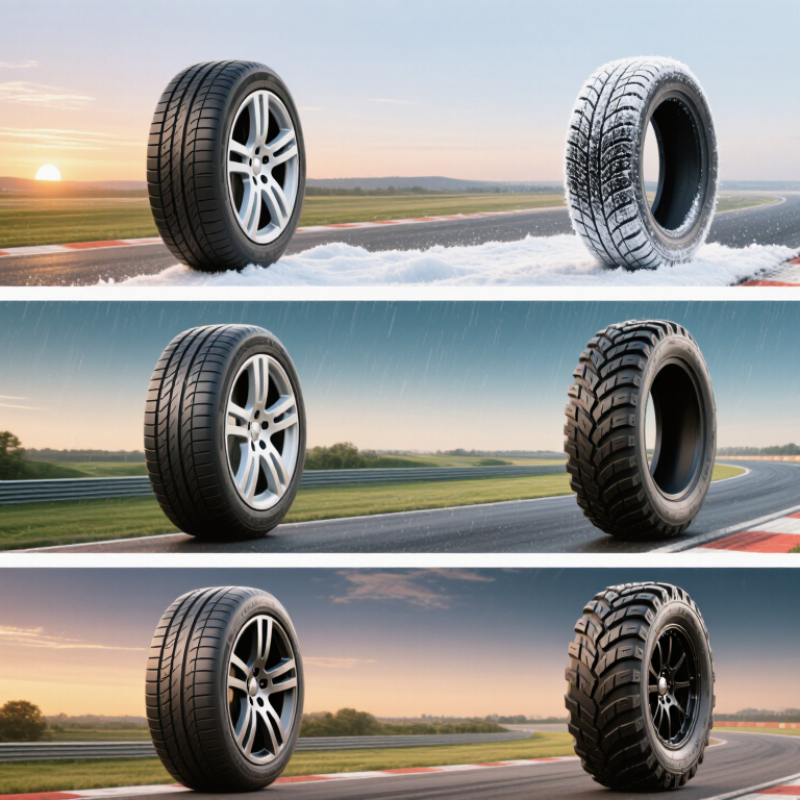
Summer tires prioritize warm-weather grip and responsive handling, but cold conditions can make their compounds less flexible. Winter tires use specialized rubber and tread patterns to help maintain traction on cold, snowy roads. All-season tires offer a compromise for moderate conditions, though they may not excel during severe heat or deep snow. Touring and performance tires bring different priorities, such as comfort or cornering response; all-terrain options balance paved-road use with rougher surfaces. No type suits every driver. That matters.

Real performance also depends on tread depth, tire pressure, vehicle load, and speed. A shallow puddle may reveal worn tread sooner than a sunny test drive. Cold mornings can lower pressure, so check it against the vehicle maker’s recommendation, not the maximum printed on the tire sidewall. Labels are useful, but they cannot predict every road or storm. Even a well-chosen tire has limits. Compare the main tire categories, understand how weather affects their strengths, and use manufacturer guidance for your vehicle. One detail is easy to miss: local conditions can change more than the calendar suggests.
2026 Top Tire Types How Weather Affects Tire Performance

Tire Categories and Key Design Features in 2026

Tire categories describe different compromises, not simple quality levels. Summer tires use compounds and tread patterns designed for warm, dry, or wet roads. Their broad contact areas can support precise steering, but cold conditions may reduce grip. Winter tires use compounds that stay more flexible in low temperatures. Deep grooves and small tread cuts, called sipes, help them bite into snow and slush. All-season tires balance several conditions, while all-weather designs generally add features for colder, snowier use. Check the tire’s markings and vehicle guidance; category names alone can be unclear.

Touring tires often prioritize steady road manners and comfort. Performance designs emphasize steering response, sometimes trading away tread life or cold-weather flexibility. For loose gravel and rough tracks, off-road tires may have tougher sidewalls and open tread blocks. Those blocks can clear mud, yet feel noisier on pavement. Design details matter. Compound, tread depth, and sidewall shape all affect how a tire responds to heat, rain, and uneven surfaces. Still, no pattern can prevent every loss of traction, and category labels do not tell the whole story.

Tips: Match the tire to your usual temperatures and roads, not just occasional trips. Check pressure when tires are cold, and inspect tread and sidewalls regularly. If your weather changes sharply by season, ask a qualified tire professional about a suitable set. Conditions vary, so treat general category advice as a starting point.

How Temperature Affects Tire Rubber, Grip, and Wear

2026 Top Tire Types: How Weather Affects Tire Performance

Temperature changes how tire rubber flexes, affecting grip even before the tread looks worn. In cold weather, rubber stiffens and may conform less readily to rough pavement. Cold air can also lower tire pressure, affecting handling and contributing to uneven wear. Winter tires are designed to remain more flexible in low temperatures, while summer tires may lose flexibility as conditions approach freezing. Not instantly. The exact response depends on the tire, road surface, vehicle, and driving conditions.

Heat brings a different trade-off. Warmer rubber becomes more pliable, which can help it grip, but excessive heat can speed up wear. Long drives, heavy loads, and low pressure may raise tire temperature. The tread can then wear faster, though one hot trip rarely tells the whole story. There is no perfectly simple rule. Check pressure when tires are cold, and look for uneven tread wear across the full width. Uneven wear can have several causes, so pressure is only one thing to investigate. Follow your vehicle’s recommended pressure, and check it again when the seasons change.

How Summer, Winter, and All-Season Tires Perform in Different Weather

2026 Top Tire Types: How Weather Affects Tire Performance

Summer, winter, and all-season tires respond differently as temperatures and road conditions change. Summer tires use rubber compounds designed to stay responsive in warm weather. Their tread can provide confident handling on hot, dry pavement and wet summer roads. But as temperatures drop, the rubber can stiffen, reducing grip. Cold mornings matter, even when the afternoon feels mild. In heavy rain, worn tread and excessive speed can increase the risk of losing traction.

Winter tires are made for cold conditions. Their softer compounds and fine tread cuts help them grip snow-covered roads and maintain flexibility in low temperatures. They can also help on cold, clear pavement. All-season tires offer a middle ground for drivers who face moderate seasonal changes. They may suit mild winters, but they are not a substitute for winter tires in frequent snow or severe cold. “All-season” is easy to overread; conditions vary, and no tire removes the need for careful driving.

Tips: Check tread depth and tire pressure regularly, especially before a seasonal change. Look for uneven wear, too. If your roads freeze or hold deep snow, consider winter tires; local conditions matter more than the calendar. A quick inspection can reveal problems, though I sometimes forget how much a small pressure change affects handling.

Rain, Snow, and Ice: Effects on Braking, Handling, and Traction

Rain, Snow, and Ice: Effects on Braking, Handling, and Traction

Rain changes the road before it looks dangerous. Water fills tiny pavement grooves, while tire tread channels it away from the contact patch. When tread is worn, that drainage weakens and braking distances grow. The AAA Foundation for Traffic Safety’s 2018 wet-weather tire study found that worn tires needed up to 87 feet more to stop from 60 mph than new tires. That gap can span several car lengths. Actual results vary with tire condition, speed, vehicle weight, and water depth.

Snow demands a different kind of grip. Tread edges bite into loose snow, and flexible winter compounds help tires stay pliable in low temperatures. The National Highway Traffic Safety Administration advises drivers to use tires suited to winter conditions and check their pressure regularly. All-season tires may handle light snow, but their traction can fade on packed snow or steep, untreated roads. Grip disappears quickly.

Ice is unforgiving. Even specialized winter tread cannot create dependable grip on a slick surface. Gentle braking, slower turns, and extra following distance reduce abrupt demands on the tires. That advice sounds obvious, yet drivers often misjudge black ice because the road appears merely wet. No tire can cancel that risk; conditions and driver input still matter.

Matching Tire Types to Local Climate and Driving Conditions

Matching Tire Types to Local Climate and Driving Conditions

Choosing tires for local weather means looking beyond average temperatures. In warm, dry regions, summer tires can offer responsive handling, but their rubber may stiffen in cold conditions. All-season tires suit many mild climates, though they are a compromise rather than a perfect fit. In areas with frequent snow and freezing roads, winter tires provide better cold-weather traction. Their deeper tread and softer compound help grip packed snow. They are not a substitute for cautious driving.

Rain matters, too. Tires with effective water-channeling tread can help reduce hydroplaning risk, but worn tread weakens that advantage. Mountain roads, shaded streets, and sudden temperature swings can make local conditions different from the weather report. A climate label is only a starting point; it can mislead if your regular route has steep hills or untreated roads. Check the vehicle manual for approved sizes and pressure, and inspect tread and wear regularly.

Tips: Match tire type to your coldest regular driving conditions, not just the season’s average. Check pressure when tires are cool. If your commute changes with elevation or snowfall, ask a qualified tire professional to compare suitable options. Small details matter.

FAQS

How do summer tires perform in warm weather?

Their rubber stays responsive in warm conditions. Tread can support confident handling on hot, dry pavement and wet summer roads. Cold mornings may reduce grip.

What makes winter tires useful in cold weather?

Softer rubber stays flexible at low temperatures. Fine tread cuts help grip snow and cold pavement. They still need careful driving.

Are all-season tires enough for snowy roads?

They may suit mild winters and light snow. Packed snow, steep roads, or severe cold can overwhelm their grip. “All-season” does not mean all conditions.

How does worn tread affect driving in rain?

Tread channels water away from the tire’s contact area. Worn grooves drain less effectively, which can increase stopping distance. Deep puddles matter.

Which tire type is best for icy roads?

Winter tires may help in cold conditions, but no tire can make ice dependable. Brake gently, turn slowly, and leave extra space.

What should I check before a seasonal change?

Check tire pressure and tread depth. Look for uneven wear along the edges or across the tread. Small pressure changes can affect handling.

Should tire changes follow the calendar?

Not exactly. Local temperatures, snow, and road conditions matter more than a date. A mild afternoon can hide a cold morning.

Can careful driving make up for limited tire grip?

It can reduce sudden demands on the tires, but it cannot remove risk. Slow down in rain, snow, and ice. I still sometimes underestimate how quickly conditions change.

Conclusion

How Weather Conditions Affect Tire Performance depends on the tire’s design, rubber compound, and the conditions it faces. In 2026, tire categories are shaped by features such as tread depth, groove patterns, and rubber flexibility. Warm temperatures can soften rubber and increase wear, while cold weather can make some compounds stiff and reduce grip. Summer tires are designed for warm roads, winter tires for cold and slippery conditions, and all-season tires for a balance across changing temperatures.

Rain, snow, and ice each affect braking, handling, and traction in different ways. Tread patterns help channel water away from the contact area, while winter-focused designs are intended to maintain grip on cold, snowy roads. No single tire type performs equally well in every climate, so choosing tires should take local temperatures, seasonal conditions, road surfaces, and typical driving needs into account. Matching the tire to its environment can support more predictable handling and help manage wear throughout the year.

Liam

Liam

Liam is a dedicated marketing professional with a profound expertise in the industry, where he excels at highlighting the unique advantages of our core products. With a keen understanding of market trends and consumer needs, Liam frequently updates our company’s professional blog, providing......